The Importance of Regular Maintenance for Automatic Roll Air Filters in Edmonton Hospital HVAC Systems: A Case Study
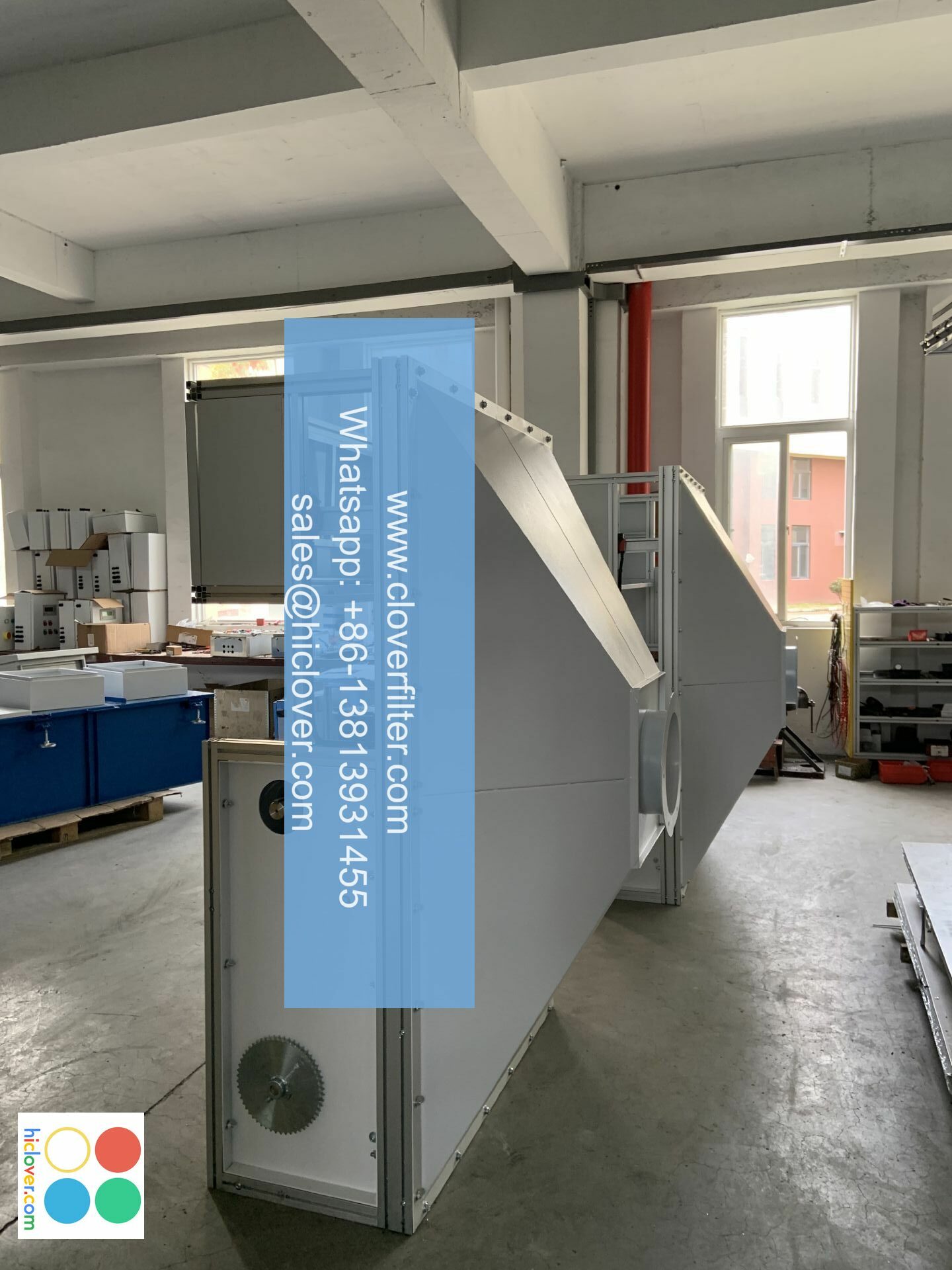
The Importance of Regular Maintenance for Automatic Roll Air Filters in Edmonton Hospital HVAC Systems: A Case Study
In hospitals, maintaining a safe and comfortable environment is paramount. A crucial aspect of achieving this is ensuring that the Heating, Ventilation, and Air Conditioning (HVAC) systems function optimally. Among the components of these systems, automatic roll air filters play a significant role in regulating air quality and temperature. In Edmonton, where temperature fluctuations can be extreme, the need for effective HVAC systems in hospitals is heightened. This case study explores the importance of regular maintenance for these systems, outlining the challenges and benefits specific to Edmonton’s healthcare facilities.

The Role of Automatic Roll Air Filters
Automatic roll air filters are designed to both filter particulates from the air and provide a seamless transition in HVAC systems. These filters contribute to maintaining indoor air quality, protecting patients, staff, and equipment from airborne contaminants. In a hospital setting, ensuring that air quality meets stringent regulatory standards is not just about comfort; it’s about health and safety.
Challenges Faced by Edmonton Hospitals
Hospitals in Edmonton face unique challenges due to the region’s climate. Fluctuating temperatures and humidity levels can strain HVAC systems, leading to increased wear and tear on filters. Moreover, during peak influenza seasons or outbreaks of other diseases, the volume of air contaminants significantly rises. This calls for a proactive approach to HVAC maintenance.
The Case for Regular Maintenance

Regular maintenance of automatic roll air filters is essential for several reasons:
- Efficient Operation: Filters that are routinely cleaned and replaced function more efficiently, maximizing the energy efficiency of the HVAC system.
- Health and Safety: Proper maintenance reduces the risk of airborne illnesses being transmitted within the hospital, protecting patients, especially those with compromised immune systems.
- Cost-Effectiveness: Regular inspections can identify potential issues before they escalate into costly repairs. This approach saves money in the long run and ensures system longevity.
- Compliance with Regulations: Hospitals must adhere to strict air quality standards. Routine maintenance ensures compliance with health regulations, minimizing the risk of penalties.
Implementation of Maintenance Protocols
To illustrate the importance of regular maintenance, consider a case involving a major hospital in Edmonton. This facility implemented a strict maintenance schedule for its automatic roll air filters, including monthly inspections and bi-annual replacements. Over a year, the hospital reported a 30% reduction in HVAC-related complaints and a significant drop in energy costs. This case demonstrates the effectiveness of a proactive maintenance strategy.
Conclusion
Regular maintenance of automatic roll air filters in hospital HVAC systems is not merely an operational task, but a vital practice that directly affects patient care, staff safety, and overall hospital efficiency. As evidenced by the case study from an Edmonton hospital, prioritizing maintenance leads to improved air quality and can result in substantial cost savings. For hospitals operating in environments with dynamic weather patterns and high demands, establishing a robust maintenance plan is essential for optimal functionality.
FAQs
- How often should automatic roll air filters be maintained?
- It is recommended to perform inspections monthly and replace filters bi-annually to ensure optimal functioning.
- What signs indicate that air filters need maintenance?
- Common signs include an increase in dust accumulation, unusual odors, and inefficient airflow.
- Can regular maintenance of air filters save money?
- Yes, by preventing larger issues and maintaining efficiency, regular maintenance can lead to significant cost savings over time.
- Are there specific regulations that hospitals must follow regarding air quality?
- Yes, there are strict health regulations governing indoor air quality that hospitals must adhere to, which can vary by region.
