The Importance of Regular Maintenance for Automatic Roll Air Filters in Quebec Pharmaceutical Plants
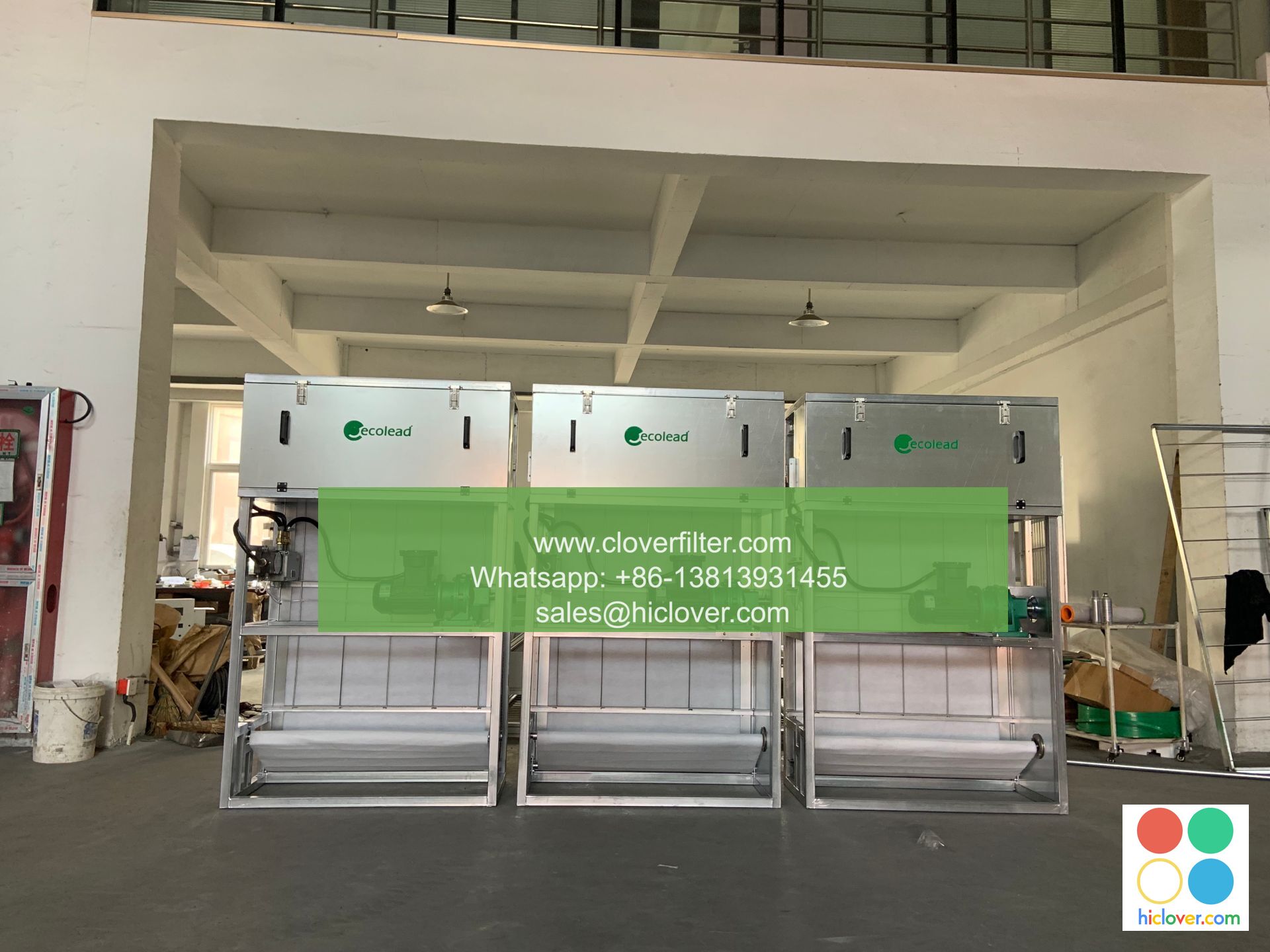
The pharmaceutical industry in Quebec is highly regulated, and maintaining a clean and controlled environment is crucial to ensuring the quality and safety of pharmaceutical products. One often overlooked aspect of maintaining a clean environment is the regular maintenance of automatic roll air filters. These filters play a critical role in removing airborne contaminants and maintaining the integrity of the air supply in pharmaceutical plants. In this article, we will explore the importance of regular maintenance for automatic roll air filters in Quebec pharmaceutical plants.
Automatic roll air filters are designed to capture airborne particles, including dust, pollen, and other contaminants, and prevent them from entering the air supply. These filters are typically used in areas where the air quality is critical, such as in cleanrooms, laboratories, and production areas. However, over time, the filters can become clogged and less effective, allowing contaminants to bypass the filter and enter the air supply. Regular maintenance is essential to ensure that the filters continue to function effectively and maintain the required air quality standards.

Regular maintenance of automatic roll air filters involves several key steps, including inspection, cleaning, and replacement. The filters should be inspected regularly to check for signs of wear and tear, such as tears, holes, or excessive dust buildup. Any damaged or worn-out filters should be replaced immediately to prevent contaminants from entering the air supply. Additionally, the filters should be cleaned regularly to remove any dust or debris that may have accumulated. This can be done using a vacuum cleaner or a gentle cleaning solution.
In Quebec pharmaceutical plants, the importance of regular maintenance for automatic roll air filters cannot be overstated. The plants are subject to strict regulations and guidelines, including those set by Health Canada and the FDA. Failure to maintain the required air quality standards can result in product recalls, fines, and even plant shutdowns. Regular maintenance of automatic roll air filters can help to prevent these issues and ensure that the plants continue to operate safely and efficiently.
Furthermore, regular maintenance of automatic roll air filters can also help to reduce energy costs and extend the life of the filters. Clogged filters can increase the energy required to operate the air handling system, leading to higher energy costs. By cleaning and replacing the filters regularly, the energy required to operate the system can be reduced, resulting in cost savings. Additionally, regular maintenance can help to extend the life of the filters, reducing the need for frequent replacements and minimizing waste.
In addition to the benefits mentioned above, regular maintenance of automatic roll air filters can also help to improve indoor air quality and reduce the risk of contamination. By removing airborne contaminants, the filters can help to prevent the spread of diseases and reduce the risk of product contamination. This is particularly important in pharmaceutical plants, where the products being manufactured are often used to treat or prevent diseases.

Another important aspect of regular maintenance for automatic roll air filters is the training of personnel. The personnel responsible for maintaining the filters should be properly trained on the procedures and protocols for inspection, cleaning, and replacement. This can help to ensure that the filters are maintained correctly and that the required air quality standards are met.
In conclusion, regular maintenance of automatic roll air filters is crucial in Quebec pharmaceutical plants. The filters play a critical role in maintaining the air quality and preventing contamination, and regular maintenance can help to ensure that they continue to function effectively. By inspecting, cleaning, and replacing the filters regularly, pharmaceutical plants can reduce the risk of contamination, improve indoor air quality, and extend the life of the filters. Additionally, regular maintenance can help to reduce energy costs and minimize waste.
FAQs
Q: How often should automatic roll air filters be inspected and maintained?
A: The frequency of inspection and maintenance will depend on the specific application and the level of air quality required. However, as a general rule, the filters should be inspected and maintained at least every 6-12 months.
Q: What are the consequences of not maintaining automatic roll air filters?
A: Failure to maintain automatic roll air filters can result in a range of consequences, including product contamination, product recalls, fines, and plant shutdowns.
Q: How can I ensure that my personnel are properly trained on the maintenance of automatic roll air filters?
A: Personnel should be provided with regular training on the procedures and protocols for inspecting, cleaning, and replacing automatic roll air filters. This can include on-site training, online training, or manufacturer-provided training.
Q: Can I clean and reuse automatic roll air filters?
A: It is not recommended to clean and reuse automatic roll air filters. While some filters may be cleaned and reused, this can compromise the integrity of the filter and reduce its effectiveness. It is generally recommended to replace the filters regularly to ensure optimal performance.
