The Importance of Regular Maintenance for Automatic Roll Air Filters in Vancouver’s Semiconductor Manufacturing
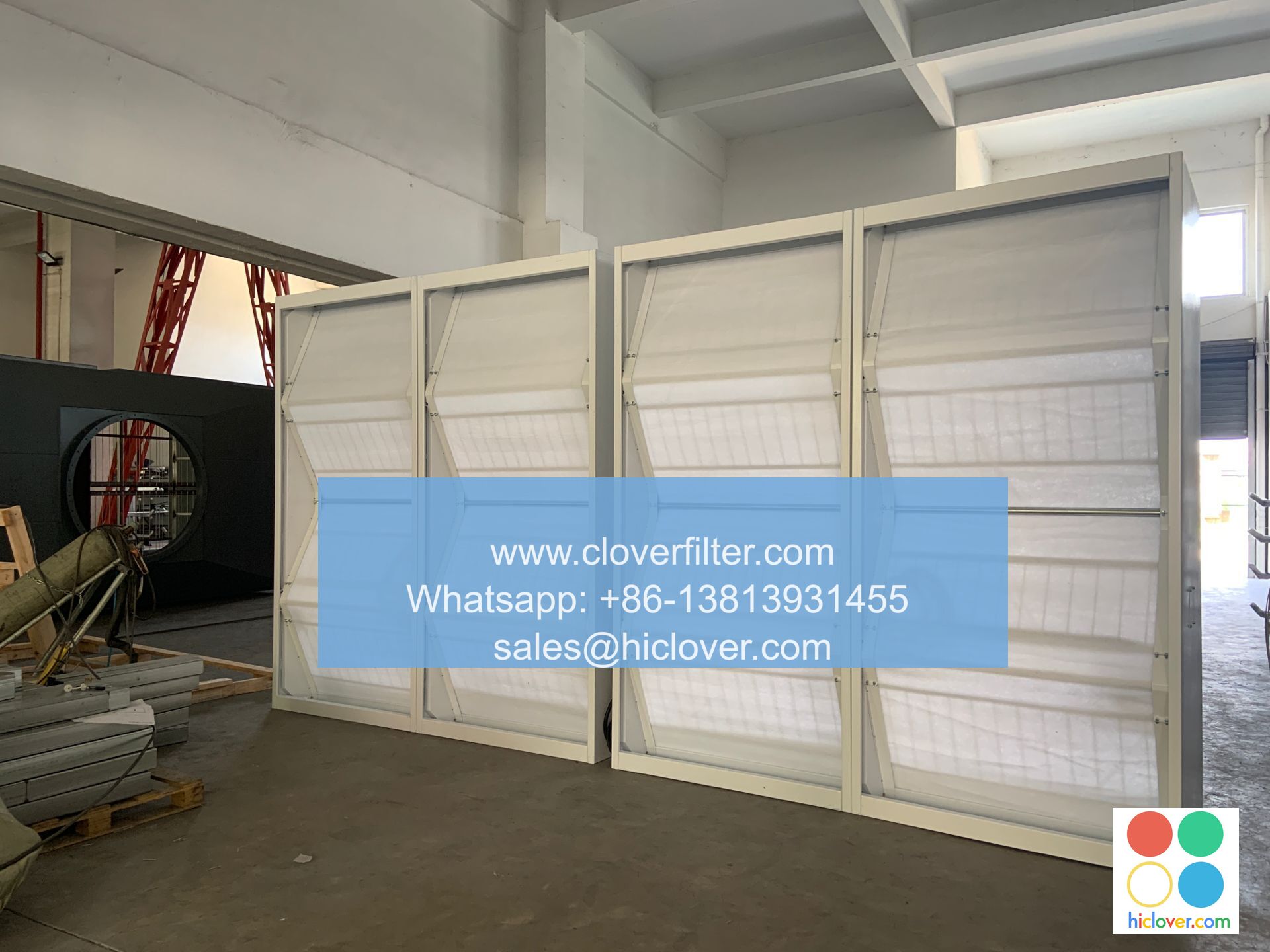
In the semiconductor manufacturing industry, maintaining a clean and controlled environment is crucial to ensure the production of high-quality products. One of the key components in achieving this is the use of automatic roll air filters. These filters play a vital role in removing contaminants and particles from the air, preventing damage to sensitive equipment and ensuring the integrity of the manufacturing process. Regular maintenance of these filters is essential to ensure their optimal performance and longevity.
Automatic roll air filters are designed to provide a continuous supply of clean air to the manufacturing area. They work by drawing in air through a series of filters, which remove particles and contaminants, and then releasing the clean air back into the environment. The filters are typically made up of a series of rolls, which are automatically advanced as they become dirty, ensuring a constant flow of clean air. However, if these filters are not properly maintained, their performance can be compromised, leading to a range of problems, including reduced air quality, increased energy consumption, and equipment damage.

In Vancouver’s semiconductor manufacturing industry, the importance of regular maintenance for automatic roll air filters cannot be overstated. The city’s mild climate and proximity to the ocean can make it an ideal location for semiconductor manufacturing, but it also presents unique challenges. The high humidity and salt air can cause corrosion and damage to equipment, making it even more critical to maintain a clean and controlled environment. Regular maintenance of automatic roll air filters can help to mitigate these risks, ensuring the production of high-quality products and preventing costly equipment damage.
There are several benefits to regular maintenance of automatic roll air filters. Firstly, it helps to ensure the optimal performance of the filters, removing contaminants and particles from the air and preventing damage to sensitive equipment. Secondly, it can help to reduce energy consumption, as dirty filters can increase the energy required to power the filtration system. Finally, regular maintenance can help to extend the lifespan of the filters, reducing the need for costly replacements and minimizing downtime.
So, what does regular maintenance of automatic roll air filters entail? There are several steps that can be taken to ensure the optimal performance of these filters. Firstly, the filters should be inspected regularly, to check for signs of wear and tear, and to ensure that they are functioning correctly. Secondly, the filters should be cleaned and replaced as needed, to prevent the buildup of dirt and debris. Finally, the filtration system should be checked and maintained, to ensure that it is functioning correctly and that the air is being properly filtered.
In addition to these steps, there are several best practices that can be followed to ensure the optimal performance of automatic roll air filters. Firstly, the filters should be installed and maintained by trained professionals, to ensure that they are functioning correctly. Secondly, the filtration system should be designed and configured to meet the specific needs of the manufacturing facility, taking into account factors such as air quality, temperature, and humidity. Finally, the filters should be monitored and maintained on a regular basis, to ensure that they continue to function optimally over time.
Conclusion
In conclusion, regular maintenance of automatic roll air filters is essential in Vancouver’s semiconductor manufacturing industry. By ensuring the optimal performance of these filters, manufacturers can help to prevent equipment damage, reduce energy consumption, and extend the lifespan of the filters. Additionally, regular maintenance can help to ensure the production of high-quality products, by maintaining a clean and controlled environment. By following best practices and taking a proactive approach to maintenance, manufacturers can help to mitigate the risks associated with dirty or poorly functioning filters, and ensure the long-term success of their operations.
Frequently Asked Questions
Q: How often should automatic roll air filters be inspected and maintained?
A: Automatic roll air filters should be inspected and maintained on a regular basis, typically every 1-3 months, depending on the specific needs of the manufacturing facility.
Q: What are the consequences of not maintaining automatic roll air filters?
A: Failure to maintain automatic roll air filters can lead to a range of problems, including reduced air quality, increased energy consumption, and equipment damage.
Q: Can automatic roll air filters be cleaned and reused?
A: Yes, automatic roll air filters can be cleaned and reused, but it is often more cost-effective to replace them with new ones.
Q: How can I ensure that my automatic roll air filters are functioning optimally?
A: To ensure that your automatic roll air filters are functioning optimally, you should inspect and maintain them regularly, follow best practices for installation and maintenance, and monitor their performance over time.
