The Importance of Testing in Air Filter Regulations: Ensuring Quality and Effectiveness
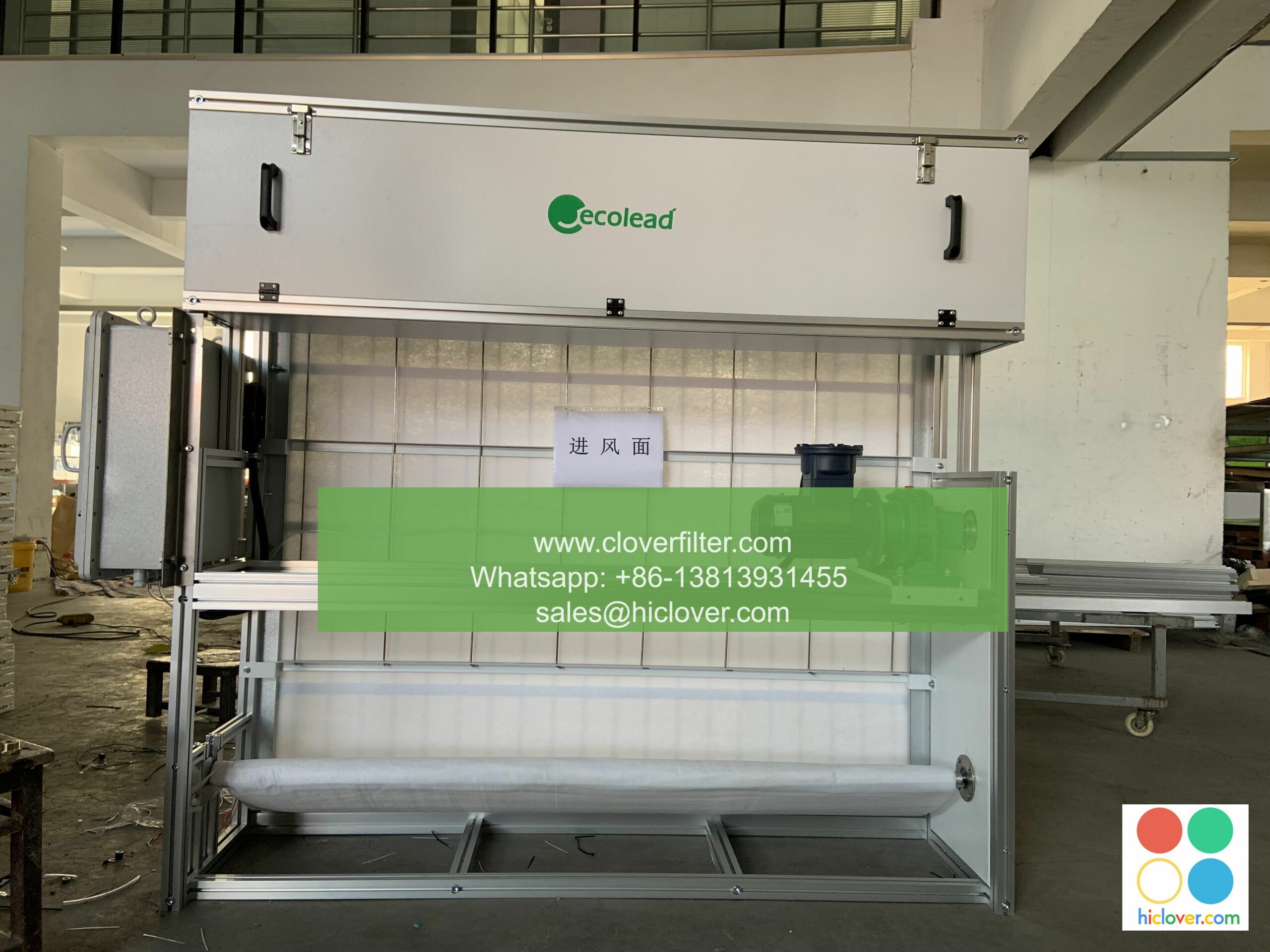
The regulation of air filters is a critical aspect of maintaining indoor air quality and outdoor air quality, as it directly impacts the health and wellbeing of individuals and the environment. One of the key components of air filter regulations is testing and certification, which ensures that air filters meet specific quality standards and performance requirements. In this article, we will discuss the importance of testing in air filter regulations, highlighting various application areas and industry sectors that benefit from effective air filter testing.
Types of Air Filters and Their Applications
Air filters are used in a wide range of industrial applications, including HVAC systems, air purification systems, and cleanroom technology. There are several types of air filters, each designed to capture specific particulate matter and gaseous pollutants. These include:
* HEPA filters (High Efficiency Particulate Air filters), which are designed to capture 99.97% of particles as small as 0.3 microns
* ULPA filters (Ultra Low Penetration Air filters), which are designed to capture 99.99% of particles as small as 0.1 microns
* Activated carbon filters, which are designed to capture gaseous pollutants and odors
* Pre-filters, which are designed to capture larger particles and protect downstream filters
The Importance of Testing in Air Filter Regulations
Testing is a critical component of air filter regulations, as it ensures that air filters meet specific quality standards and performance requirements. The testing process involves evaluating the air filter’s efficiency, pressure drop, and durability under various operating conditions. This includes:
* Particle capture efficiency: The ability of the air filter to capture particulate matter of various sizes
* Gas phase filtration: The ability of the air filter to capture gaseous pollutants
* Pressure drop: The resistance to airflow caused by the air filter
* Filter lifespan: The length of time the air filter can operate effectively before needing to be replaced
Application Areas and Industry Sectors
Effective air filter testing is crucial in various application areas and industry sectors, including:
* Healthcare: Hospitals, clinics, and other healthcare facilities require high-efficiency air filters to maintain sterile environments and prevent the spread of infections
* Industrial manufacturing: Factories and manufacturing facilities require air filters to maintain clean environments and prevent contamination
* Commercial buildings: Office buildings, shopping centers, and other commercial buildings require air filters to maintain indoor air quality and prevent health problems
* Residential buildings: Homes and apartments require air filters to maintain indoor air quality and prevent health problems

Conclusion
In conclusion, testing is a critical component of air filter regulations, ensuring that air filters meet specific quality standards and performance requirements. By highlighting various application areas and industry sectors, we can see the importance of effective air filter testing in maintaining indoor air quality and outdoor air quality. As the demand for clean air continues to grow, the importance of testing in air filter regulations will only continue to increase. It seems like you didn’t include a prompt. Could you please provide more details or clarify what you’re looking for? I’m here to help with any questions or topics you’d like to discuss.
