The Intersection of Technology and Sterility: UCLA’s Automatic Roll Air Filters
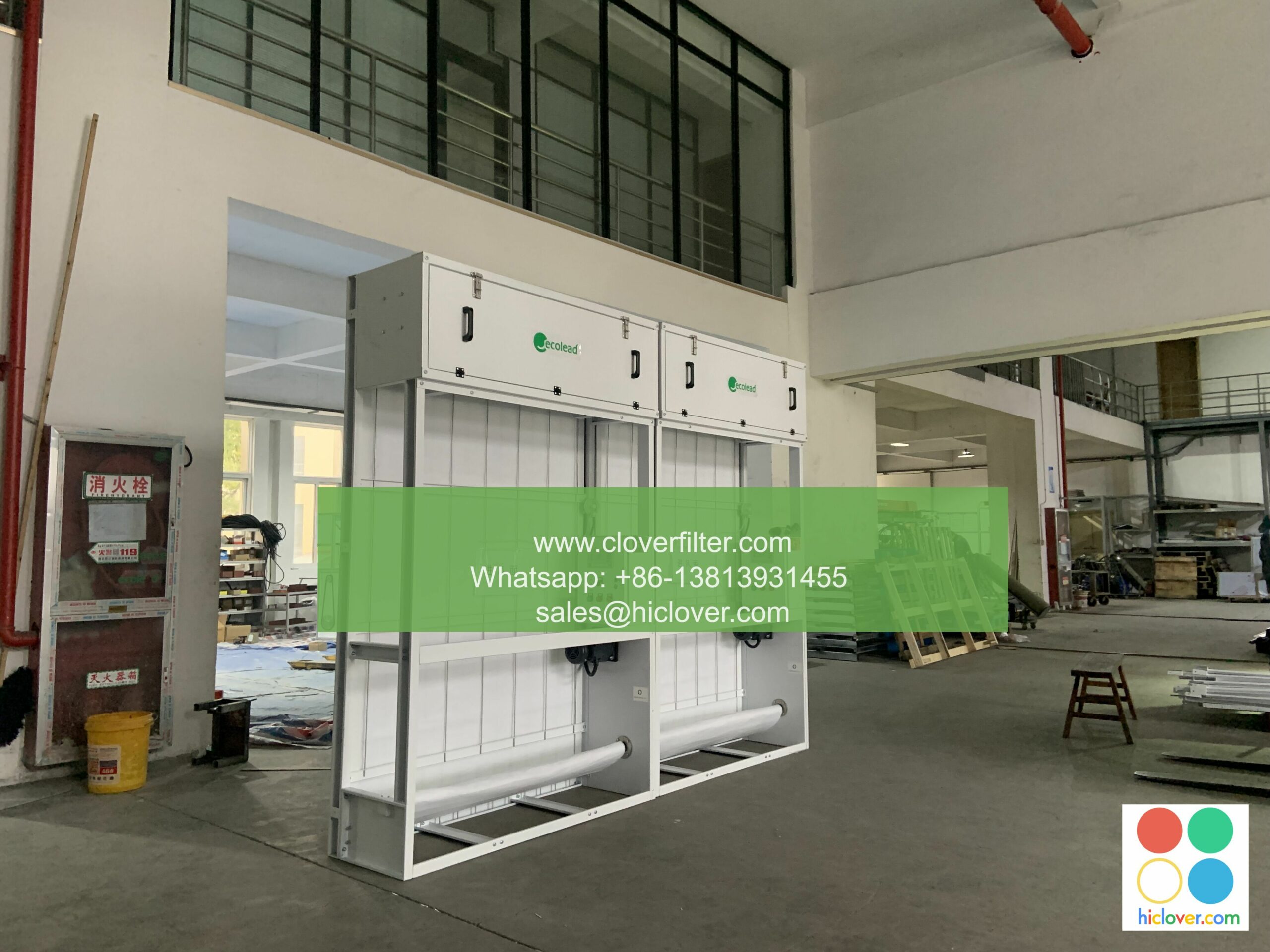
In an era where maintaining sterile environments is paramount across various industries, innovative technologies are stepping in to meet these critical demands. One prominent example is UCLA’s development of Automatic Roll Air Filters, which seamlessly integrate cutting-edge technology with the need for cleanliness and air purity.
Understanding the Need for Sterility

The Importance of Clean Air in Various Industries
In sectors such as healthcare, pharmaceuticals, and food processing, the significance of sterile conditions cannot be overstated. Contaminated air can lead to severe consequences, including the spread of disease in hospitals or the spoilage of food products. With an increasing awareness of health concerns, technologies that enhance air quality and sterilization are gaining traction.
The Role of Air Filters in Sterility
Air filters play a crucial role in maintaining sterile environments. They trap harmful particles, allergens, and pathogens, ensuring that the air circulating in a space remains clean. Traditional air filtration systems, while effective, often involve significant manual intervention and monitoring.
UCLA’s Automatic Roll Air Filters: A Technological Revolution
What are Automatic Roll Air Filters?
UCLA’s Automatic Roll Air Filters represent a breakthrough in air filtration technology. These filters are characterized by their automated, self-advancing design that enhances efficiency and reduces the labor-intensive aspects of traditional filtering systems. The automatic rolling mechanism allows for continuous replacement of the filter media, ensuring that air purification processes are always optimal without requiring constant manual oversight.
Key Features of the Technology
- Self-Adapting Mechanics: The filters can adjust their operation based on real-time air quality assessments, optimizing airflow and filtration efficiency.
- Automated Maintenance: Routine maintenance is simplified as the system automatically replaces the filter medium, reducing downtime and operational costs.
- Energy Efficiency: Reduced manual intervention leads to lower energy consumption, making the system environmentally friendly.
- Advanced Sensors: These air filters can detect particulate levels and automatically signal when filter replacement is necessary, ensuring consistent air quality.
Applications Across Various Industries
Healthcare Facilities
In hospitals and clinics where sterile conditions are crucial, UCLA’s Automatic Roll Air Filters could potentially revolutionize air quality management. The self-replacing features combined with real-time monitoring can significantly reduce the risk of Hospital-Acquired Infections (HAIs) by ensuring that air remains free from pathogens.
Pharmaceutical Manufacturing
In the pharmaceutical industry, where even minute contaminants can affect product quality and safety, these filters offer a reliable solution. They help maintain Class 100 cleanroom conditions, critical for the production of sterile drugs and vaccines.
Food Processing and Packaging
Food safety is another area where sterility is essential. These air filters can be employed in food processing plants to reduce airborne contaminants, thereby extending product shelf-life and ensuring compliance with health regulations.
Technology and Electronics
In high-tech manufacturing environments, particularly for semiconductors and sensitive electronics, maintaining a clean air environment is indispensable. UCLA’s intelligent filtering systems can contribute to eliminating particles that may compromise electronic components during manufacturing.
Conclusion
The advancement of UCLA’s Automatic Roll Air Filters is a prime example of how the intersection of technology and sterility fosters innovation in air quality management across diverse domains. By offering solutions that not only meet health standards but also enhance operational efficiency, this technology is set to revolutionize industries reliant on pristine air environments. As we move forward, the integration of such pioneering technologies will be vital in maintaining the health and safety standards that society demands.
Future Prospects
As research and development in this field continues, we can expect further enhancements in filtration efficiency, sustainability, and affordability. The intersection of technology and sterility will undoubtedly shine brighter as more organizations adopt innovative solutions like UCLA’s air filters to ensure that sterile environments remain a priority.
