The Link Between Air Pollution and Air Filter Technology
The Hidden Dangers of Air Pollution: How Air Filter Technology Comes to the Rescue
Introduction

Air pollution is a growing concern across the globe, with devastating effects on both human health and the environment. According to the World Health Organization (WHO), air pollution is responsible for approximately 7 million premature deaths worldwide each year, with 3 billion people breathing polluted air. Moreover, air pollution affects ecosystems, crops, and wildlife, disrupting the delicate balance of nature. In light of these alarming statistics, governments and industries are searching for solutions to mitigate the impact of air pollution. In this article, we’ll explore the connection between air pollution and air filter technology, highlighting its significance in various application areas.
The Impact of Air Pollution
Air pollution is a complex phenomenon that encompasses a range of pollutants, including particulate matter (PM), nitrogen dioxide (NO2), ozone (O3), and volatile organic compounds (VOCs). These pollutants can cause:
- Respiratory problems, including asthma and chronic obstructive pulmonary disease (COPD)
- Cardiovascular disease, including heart attacks, strokes, and arrhythmias
- Cancer, with links to lung cancer, and other types of cancer
- Neurological damage, with potential long-term effects on cognitive function
- HEPA (High Efficiency Particulate Air) filters, which capture 99.97% of particles as small as 0.3 microns
- Activated carbon filters, which absorb VOCs and other gases
- Electrostatic filters, which attract and capture pollutants using an electrostatic charge
- Ionizing filters, which release negative ions to attract and trap pollutants
- Air Purification Systems: Residential and commercial units that remove pollutants from indoor air, improving indoor air quality and health
- Industrial Air Filtration: Off-gas treatment systems that remove hazardous pollutants from industrial emissions, ensuring a safer working environment
- Automotive Air Filtration: Cabin air filters that remove pollutants from vehicle interiors, improving driver and passenger health
- Healthcare Air Filtration: Hospital air purification systems that reduce the spread of airborne diseases and infections
- Agricultural Air Filtration: Systems that remove pollutants from agricultural equipment and equipment emissions, reducing the impact on the environment and human health
Air Filter Technology: A Solution to Air Pollution
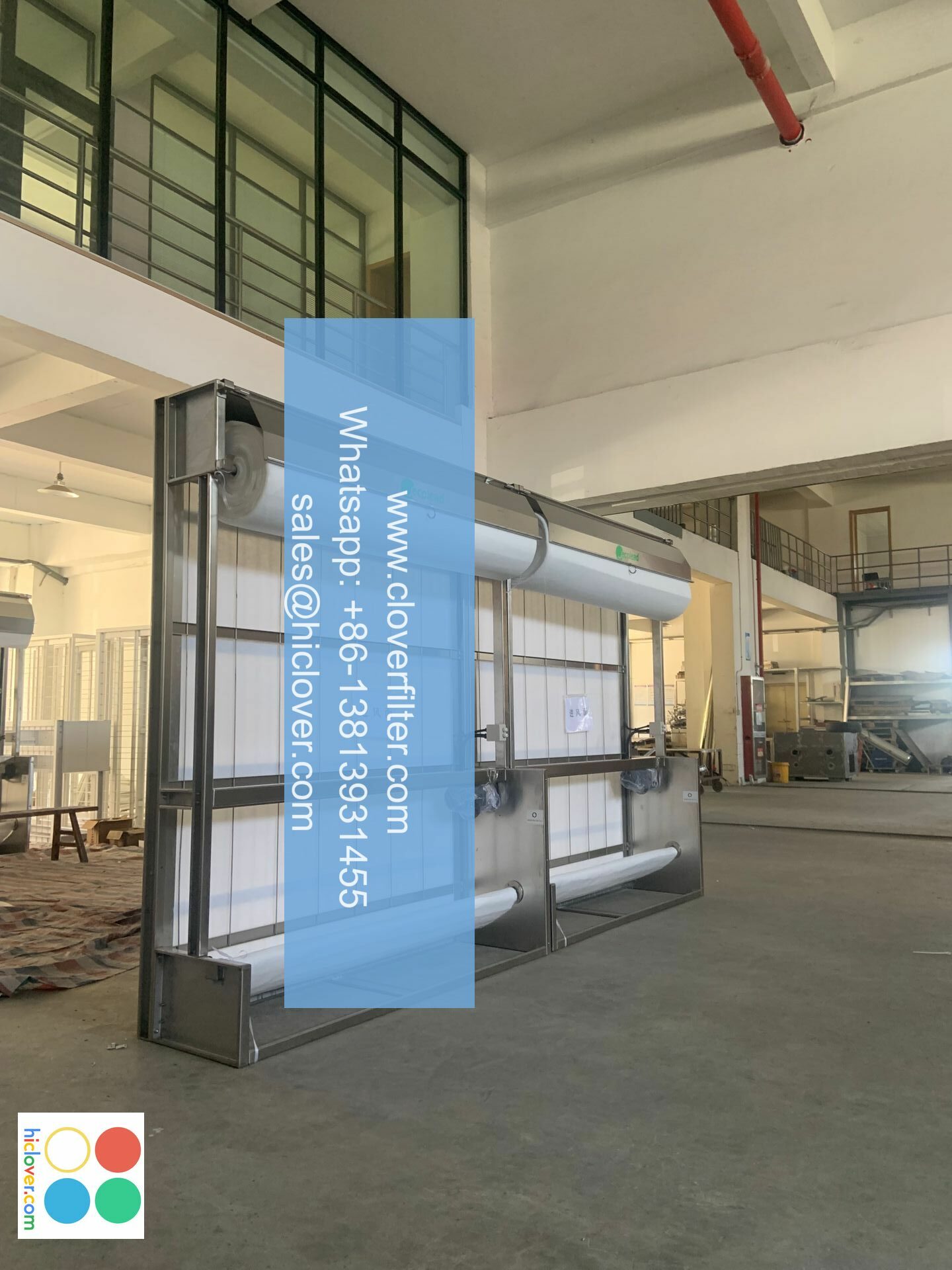
Air filter technology offers a critical solution to mitigate the effects of air pollution. There are various types of air filters, including:
Application Areas for Air Filter Technology
Air filter technology is not limited to homes and offices; it has numerous applications in various sectors:
Conclusion
Air pollution is a pressing global issue, and air filter technology is a critical solution. By understanding the connection between air pollution and air filter technology, we can appreciate the significance of these innovative solutions in various application areas. As air pollution continues to pose a threat to human health and the environment, the development and implementation of air filter technology will become increasingly crucial.
I’m here to help! What would you like to talk about or discuss? Do you have a specific topic in mind, or would you like me to suggest some conversation starters?
Here are a few ideas to get us started:
1. Hobbies: What do you enjoy doing in your free time?
2. Travel: Have you been on any exciting trips recently or have any upcoming adventures planned?
3. Books: What’s the best book you’ve read recently?
4. Movies: What’s your favorite movie or TV show?
5. Food: Do you have a favorite cuisine or restaurant?
Feel free to choose any of these topics, or we can explore a new one together!
