The Link Between Air Quality and Congestion: How Air Filters Can Help
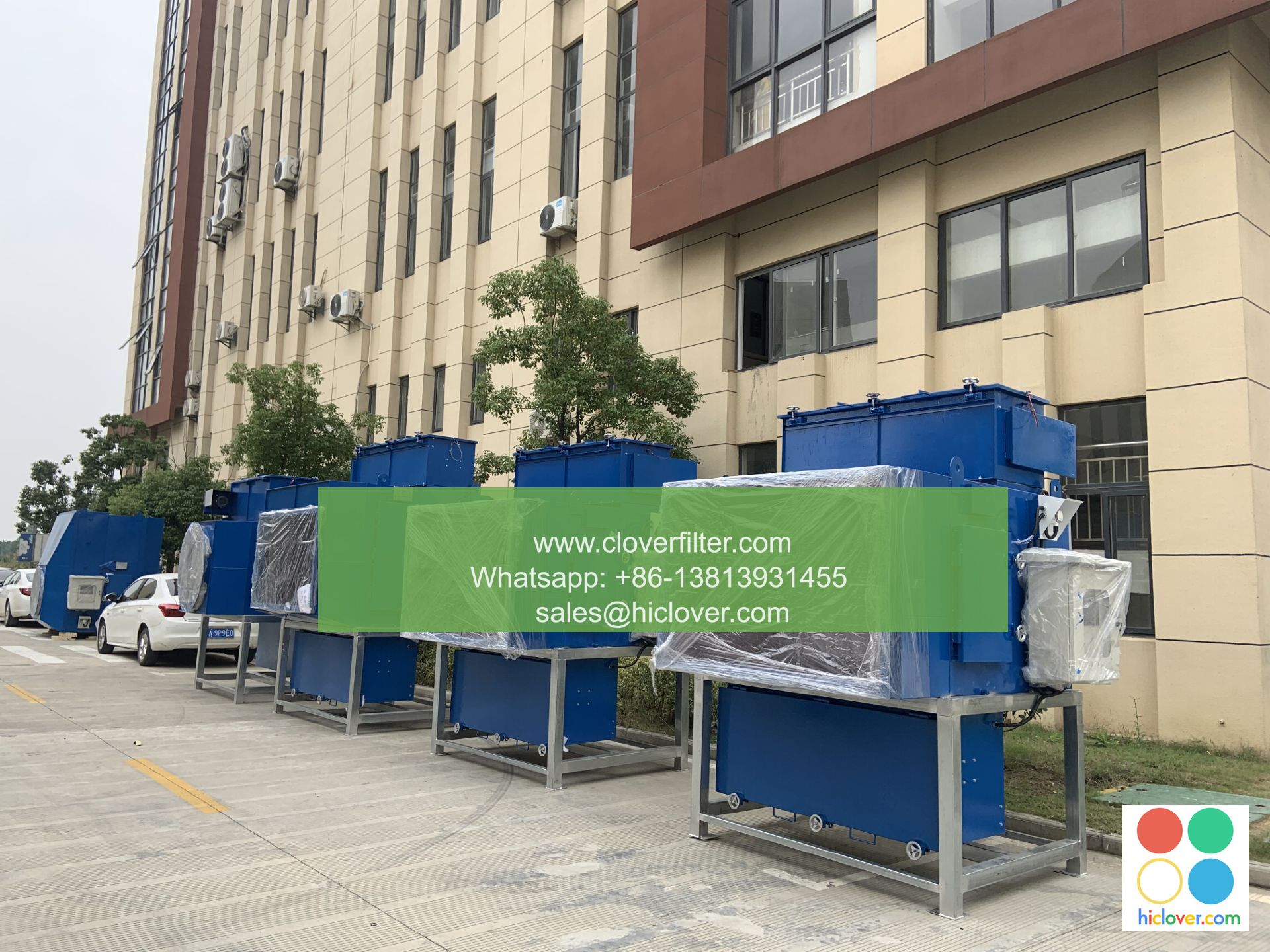
Air quality and congestion are two closely related issues that affect millions of people worldwide. Poor air quality can exacerbate congestion, while congestion can also contribute to poor air quality. In this article, we will explore the link between air quality and congestion, and discuss how air purification systems and high-quality air filters can help alleviate these issues.
The Impact of Poor Air Quality on Congestion
Poor air quality can have a significant impact on congestion, particularly in areas with high levels of air pollution. When the air is filled with pollutants such as particulate matter (PM), nitrogen dioxide (NO2), and ozone (O3), it can cause respiratory problems and inflammation in the lungs, leading to congestion and breathing difficulties. Furthermore, poor air quality can also exacerbate allergies and asthma, making it even more challenging for people to breathe.
The Role of Congestion in Poor Air Quality
Congestion can also contribute to poor air quality, particularly in urban areas with high levels of vehicle emissions. When traffic is congested, vehicles emit more pollutants into the air, including carbon monoxide (CO), hydrocarbons (HC), and nitrogen oxides (NOx). These pollutants can react with other atmospheric compounds to form ground-level ozone (O3) and particulate matter (PM), further deteriorating air quality.
How Air Filters Can Help
Air filters can play a crucial role in improving air quality and reducing congestion. By removing pollutants and allergens from the air, air filters can help alleviate respiratory problems and inflammation in the lungs, making it easier for people to breathe. Additionally, air filters can also help reduce vehicle emissions by removing pollutants from the air, which can help decrease congestion and improve overall air quality.

Application Areas for Air Filters
Air filters have a wide range of applications, including:
* Industrial air filtration: Air filters can be used in industrial settings to remove pollutants and hazardous materials from the air, improving occupational health and safety.
* Commercial air filtration: Air filters can be used in commercial settings, such as offices and shopping malls, to improve indoor air quality and reduce congestion.
* Residential air filtration: Air filters can be used in residential settings to improve indoor air quality and reduce allergies and asthma.
* Vehicle air filtration: Air filters can be used in vehicles to remove pollutants and allergens from the air, improving in-vehicle air quality and reducing congestion.
Conclusion
In conclusion, the link between air quality and congestion is complex and multifaceted. Poor air quality can exacerbate congestion, while congestion can also contribute to poor air quality. However, by using high-quality air filters and air purification systems, we can improve air quality, reduce congestion, and alleviate respiratory problems and inflammation in the lungs. Whether in industrial, commercial, residential, or vehicle settings, air filters can play a crucial role in improving air quality and reducing congestion, making them an essential tool in the fight against poor air quality and congestion.
It seems like you’re looking for a prompt to get started. Here are a few ideas across different categories:
Creative Writing
- Alternate Reality: Imagine a world where gravity works differently, and people live on the ceilings of their homes. How does society adapt?
- Time Travel: You’ve just discovered a time machine. Where do you go and why?
- Future World: Describe a city 100 years from now, focusing on how technology has changed daily life.
Problem-Solving
- Sustainable Energy: Design a system for a small town to become completely sustainable in terms of energy. What sources would you use and how?
- Space Exploration: You’re leading a mission to Mars. What are the top 5 things you’d prioritize for the crew’s survival and success?
- Environmental Restoration: A massive oil spill has occurred in a fragile ecosystem. Outline a plan for immediate response and long-term restoration.
Learning and Development
- New Skill Acquisition: You’ve decided to learn a new language or skill in the next 6 months. Create a detailed learning plan.
- Personal Growth: Reflect on a challenging experience and how it contributed to your personal growth. What did you learn, and how has it influenced your decisions since?
- Career Development: Imagine your dream job 5 years from now. What steps do you need to take to get there, and what skills do you need to develop?
Leisure and Entertainment
- Dream Vacation: Plan your dream vacation, including destinations, activities, and why this trip is significant to you.
- Favorite Book or Movie: Choose a favorite book or movie and imagine an alternative ending or sequel. How would the story continue or change?
- New Hobby: You’ve just discovered a new hobby. Describe what drew you to it and how you plan to continue exploring it.
Choose one that sparks your interest, or feel free to modify any of these prompts to suit your curiosity or needs!
