The Link Between Air Quality and Respiratory Issues: How Air Filters Can Help

Air quality and respiratory issues are closely linked, with indoor air pollution and outdoor air pollution both playing a significant role in exacerbating respiratory problems such as asthma, chronic obstructive pulmonary disease (COPD), and other breathing difficulties. In this article, we will explore the connection between air quality and respiratory health, and discuss how air filters can help to mitigate these issues.
Understanding the Impact of Air Pollution on Respiratory Health
Air pollution is a major contributor to respiratory issues, with particulate matter (PM), nitrogen dioxide (NO2), and ozone (O3) being some of the most harmful air pollutants. These pollutants can cause inflammation and irritation in the airways, leading to wheezing, coughing, and shortness of breath. Furthermore, long-term exposure to poor air quality can lead to more severe respiratory problems, including lung cancer and cardiovascular disease.
The Role of Air Filters in Improving Indoor Air Quality
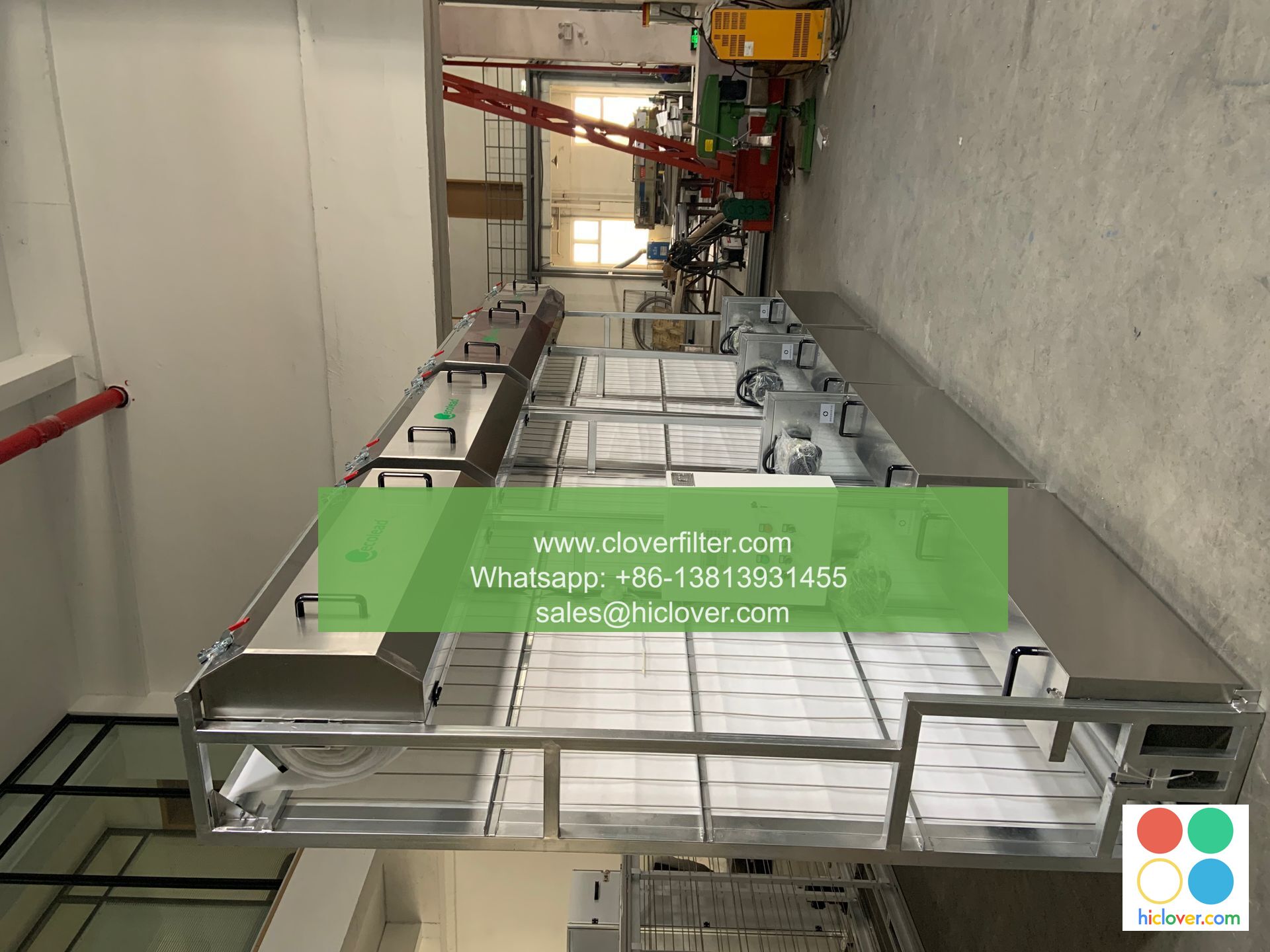
Air filters play a crucial role in improving indoor air quality by removing pollutants and allergens from the air. HEPA filters and activated carbon filters are two of the most effective types of air filtration systems, capable of capturing 99.97% of particles as small as 0.3 microns. By installing air filters in homes, offices, and other indoor spaces, individuals can significantly reduce their exposure to air pollutants and minimize the risk of respiratory issues.
Application Areas of Air Filters
Air filters have a wide range of application areas, including:
- Residential buildings: Air filters can be installed in homes to improve indoor air quality and reduce the risk of respiratory issues.
- Commercial buildings: Air filters can be used in offices, schools, and other commercial spaces to improve indoor air quality and promote a healthy work environment.
- Industrial settings: Air filters can be used in industrial settings to remove hazardous pollutants and chemicals from the air, reducing the risk of occupational respiratory diseases.
- Healthcare facilities: Air filters can be used in hospitals and other healthcare facilities to remove airborne pathogens and infectious diseases, reducing the risk of nosocomial infections.
Benefits of Air Filters in Reducing Respiratory Issues
The use of air filters can have numerous benefits in reducing respiratory issues, including:
- Reduced symptoms: Air filters can help to reduce symptoms of respiratory issues such as wheezing, coughing, and shortness of breath.
- Improved lung function: Air filters can help to improve lung function and reduce the risk of chronic respiratory diseases.
- Enhanced quality of life: Air filters can help to improve quality of life for individuals with respiratory issues, enabling them to breathe easier and live more comfortably.
Conclusion
In conclusion, the link between air quality and respiratory issues is clear, and air filters can play a vital role in mitigating these issues. By installing air filters in indoor spaces, individuals can significantly reduce their exposure to air pollutants and minimize the risk of respiratory problems. With their wide range of application areas and numerous benefits, air filters are an essential tool in promoting respiratory health and improving overall well-being.
It looks like you’re ready to get started, but I don’t see a prompt yet! What would you like to talk about or ask? I can help with a wide range of topics, from science and history to entertainment and culture. Go ahead and give me a prompt, and I’ll do my best to help!
