The Most Common Air Filter Maintenance Mistakes to Avoid
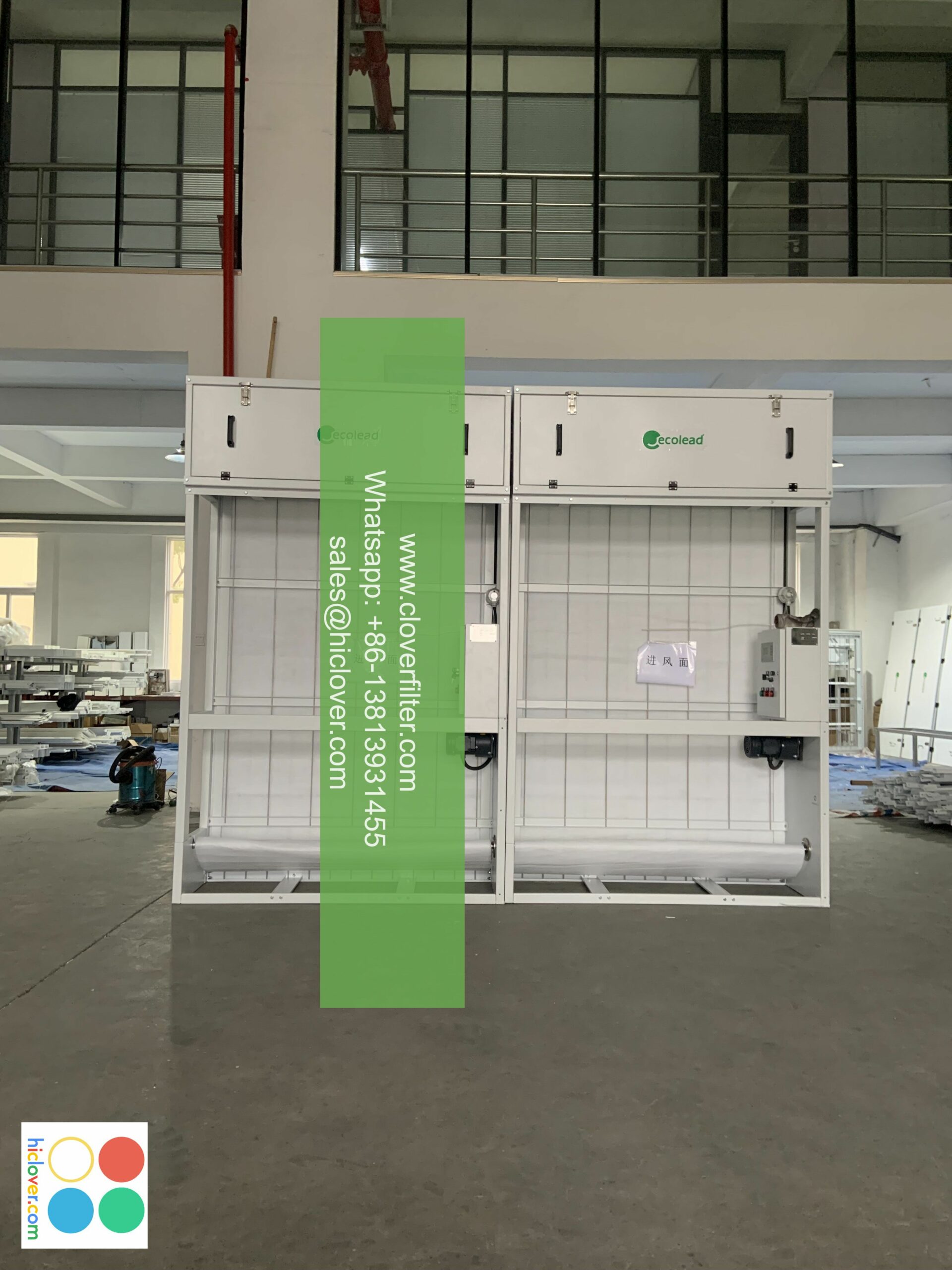
Proper air filter maintenance is crucial for ensuring the indoor air quality, energy efficiency, and system performance of your heating, ventilation, and air conditioning (HVAC) systems. However, many individuals and organizations make common mistakes that can lead to reduced air filter effectiveness, increased energy consumption, and even premature system failure. In this article, we will discuss the most common air filter maintenance mistakes to avoid, highlighting various application areas such as residential, commercial, and industrial settings.
Not Replacing Air Filters Frequently Enough
One of the most common mistakes is not replacing air filters frequently enough. Dirty air filters can lead to reduced airflow, increased energy bills, and even system breakdowns. It is essential to replace air filters every 1-3 months, depending on the filter type, usage, and environmental conditions. For example, in high-traffic areas or areas with high levels of pollution, air filters may need to be replaced more frequently.
Not Checking Air Filter Compatibility
Another mistake is not checking air filter compatibility with your HVAC system. Using the wrong type of air filter can lead to reduced system performance, increased energy consumption, and even system damage. It is crucial to check the filter size, filter type, and filter rating to ensure compatibility with your HVAC system.
Not Cleaning Air Filter Housings and Ducts
Not cleaning air filter housings and ducts is another common mistake. Dirt and debris can accumulate in the air filter housing and ducts, leading to reduced airflow and increased energy consumption. Regular cleaning of air filter housings and ducts can help maintain optimal system performance and indoor air quality.

Not Monitoring Air Filter Performance
Not monitoring air filter performance is a mistake that can lead to reduced system performance and increased energy consumption. Regular monitoring of air filter performance can help identify issues such as reduced airflow, increased pressure drop, and filter degradation. This can help you take corrective action to maintain optimal system performance and indoor air quality.
Best Practices for Air Filter Maintenance
To avoid common air filter maintenance mistakes, follow these best practices:
* Replace air filters every 1-3 months, depending on the filter type, usage, and environmental conditions.
* Check air filter compatibility with your HVAC system to ensure optimal system performance and energy efficiency.
* Clean air filter housings and ducts regularly to maintain optimal airflow and indoor air quality.
* Monitor air filter performance regularly to identify issues and take corrective action.
By following these best practices and avoiding common air filter maintenance mistakes, you can ensure optimal system performance, energy efficiency, and indoor air quality in residential, commercial, and industrial settings. Remember, proper air filter maintenance is crucial for maintaining a healthy, comfortable, and energy-efficient indoor environment. Prompt
