The Most Common Air Filter Sizes Used in Commercial Buildings
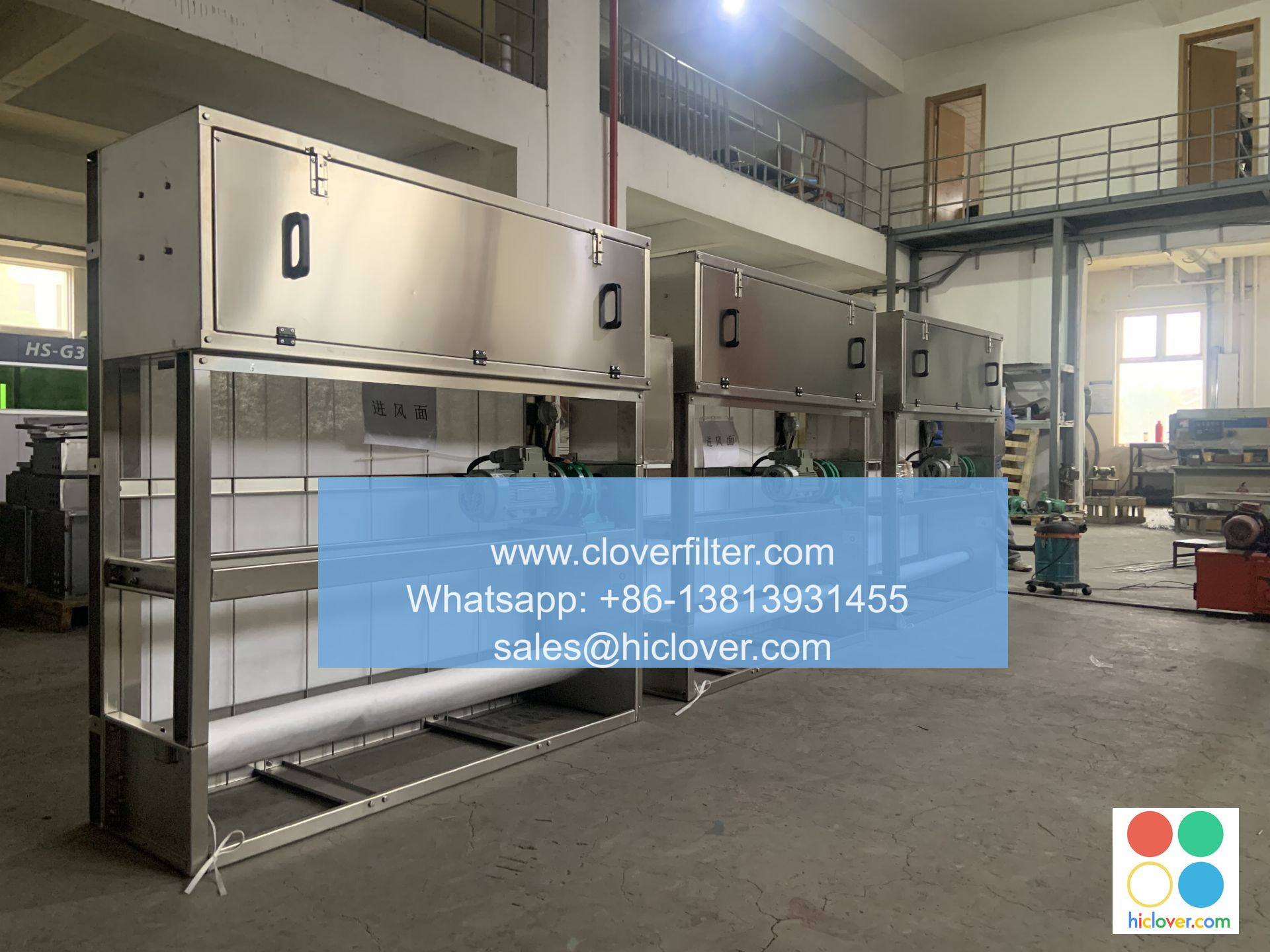
Commercial buildings, such as office spaces, hospitals, and industrial facilities, require effective air filtration systems to maintain good indoor air quality (IAQ) and ensure the health and comfort of occupants. One crucial aspect of these systems is the air filter size, which can vary depending on the specific application and heating, ventilation, and air conditioning (HVAC) equipment used. In this article, we will explore the most common air filter sizes used in commercial buildings and highlight various application areas.
Standard Air Filter Sizes
The most common air filter sizes used in commercial buildings are typically measured in inches and include:
* 12x12x1 air filters: These filters are commonly used in standard HVAC systems and are suitable for most commercial applications.
* 16x20x1 air filters: These filters are often used in larger commercial buildings and are ideal for high-traffic areas and industrial spaces.
* 20x20x2 air filters: These filters are used in high-capacity HVAC systems and are often required in healthcare facilities and laboratories where high-efficiency filtration is necessary.
Application Areas
Different commercial buildings have unique air filtration requirements depending on the specific application area. Some common application areas include:
* Office spaces: Require standard air filters to maintain good IAQ and prevent the spread of allergens and viruses.
* Hospitals and healthcare facilities: Demand high-efficiency air filters to prevent the spread of infections and maintain a sterile environment.
* Industrial facilities: Require heavy-duty air filters to capture large particles and hazardous materials commonly found in industrial settings.
* Food processing and manufacturing facilities: Need sanitary air filters to prevent contamination and maintain a clean environment.
Benefits of Proper Air Filtration
Proper air filtration is essential in commercial buildings to:
* Improve indoor air quality (IAQ) and reduce the risk of respiratory problems
* Prevent the spread of allergens, viruses, and bacteria
* Reduce energy consumption and lower maintenance costs
* Extend the life of HVAC equipment and reduce the need for repairs

Conclusion
In conclusion, the most common air filter sizes used in commercial buildings vary depending on the specific application area and HVAC equipment used. By selecting the right air filter size and type, commercial buildings can maintain good indoor air quality (IAQ), reduce energy consumption, and prevent the spread of allergens and viruses. It is essential to consider the unique air filtration requirements of each commercial building and choose the most suitable air filter to ensure a healthy and comfortable indoor environment. It seems like you didn’t provide a prompt. Could you please give me something to work with? I can generate text, answer questions, or engage in a conversation on a wide range of topics. What’s on your mind?
