The Need for Roll Media Dust Filtration in Nakuru’s Textile Industry
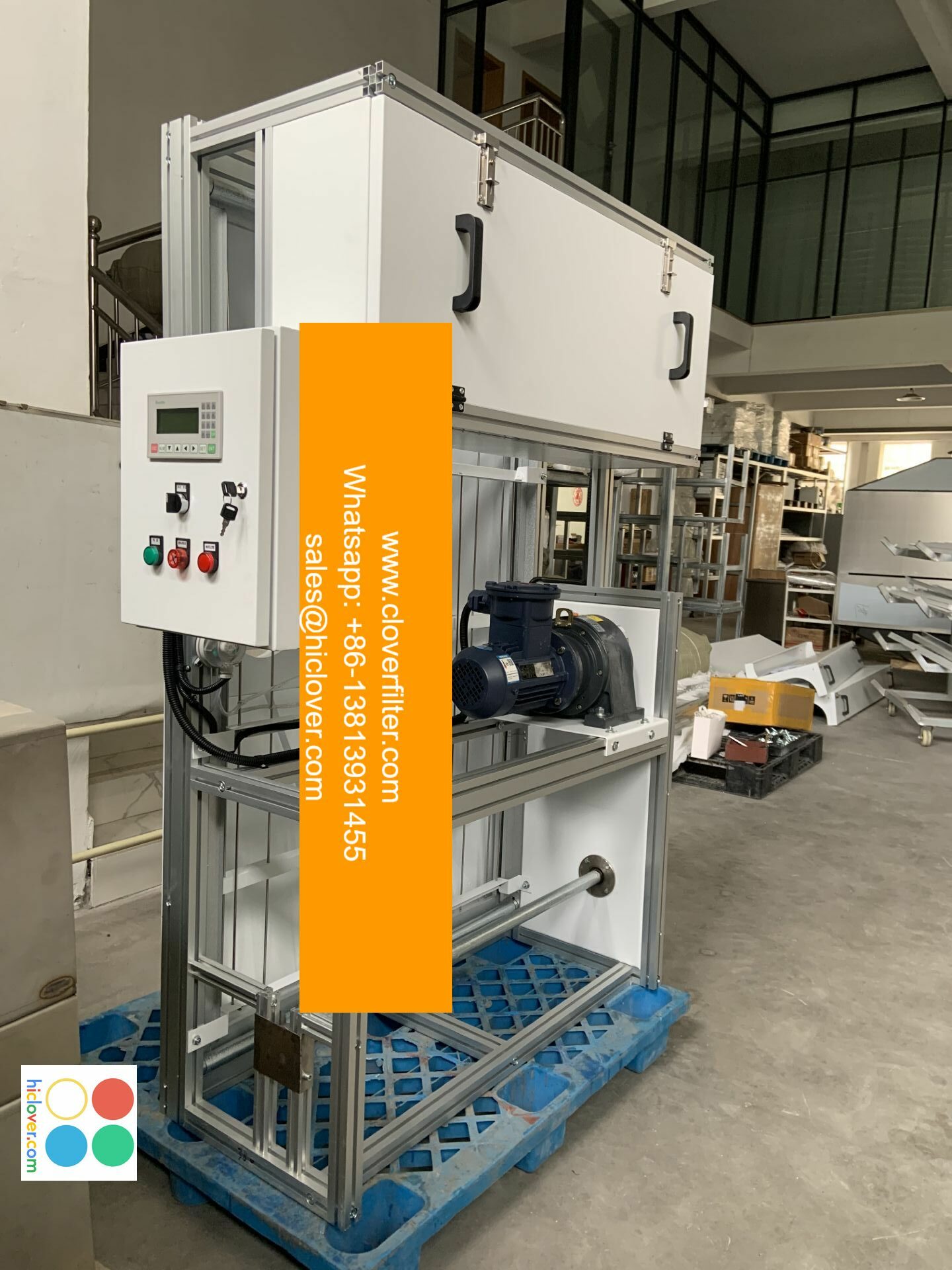
Nakuru’s textile industry has been a significant contributor to the region’s economy, but with growth comes challenges, particularly in the area of air quality management and worker safety. One of the pressing needs for this flourishing industry is the implementation of roll media dust filtration systems to mitigate dust pollution and enhance operational efficiency.
The Role of Dust Filtration in Textiles

In textile manufacturing, dust is a prevalent and problematic byproduct arising from the processing and handling of raw materials. These fine particles can negatively affect machine performance, product quality, and most importantly, the health of workers. The introduction of roll media dust filtration can substantially alleviate these issues, ensuring a cleaner and safer work environment.
Benefits of Roll Media Dust Filtration
- Improved Air Quality: The proper filtration of airborne dust particles helps maintain cleaner air, reducing the risk of respiratory problems among employees.
- Enhanced Productivity: With less downtime related to machine maintenance, companies can achieve greater operational efficiency.
- Cost-Effective Solutions: Roll media filtration systems can be an economical choice, reducing energy consumption and operational costs over time.
Applications in Nakuru’s Textile Sector

Roll media dust filtration is particularly versatile and can be applied across various processes within the textile industry, including:
1. Spinning and Weaving Processes
During spinning and weaving, fibers are transformed into fabric, generating significant dust. Roll media filtration systems can effectively capture loose fibers and dust, helping to keep machinery in optimal condition and reducing maintenance costs.
2. Dyeing and Finishing
The dyeing and finishing processes also produce considerable airborne pollutants, including volatile organic compounds (VOCs) and chemical fumes. Roll media filters can assist in mitigating these pollutants, ensuring compliance with environmental regulations and providing a safer working atmosphere.
3. Cutting and Sewing
In the cutting and sewing processes, dust generated from fabric edges poses a challenge. Implementing roll media dust filters will ensure that the workspace remains clean and minimize contamination that could affect the quality of the final product.
The Impact on Sustainability
Not only does roll media dust filtration optimize operations and safeguard employee health, but it also aligns with the industry’s move towards greater sustainability. By ensuring cleaner working environments and promoting cleaner production processes, Nakuru’s textile industry can contribute to environmental protection initiatives and sustainable development goals.
Conclusion
As Nakuru’s textile industry continues to expand, the need for effective dust filtration solutions like roll media systems becomes increasingly critical. Investing in these technologies will help address health concerns, protect machinery, and enhance overall productivity. Embracing such innovations will not only benefit individual businesses but also foster a healthier and more sustainable industrial ecosystem in Nakuru.
It looks like you might want me to generate a prompt, but I’m not sure what topic or purpose you have in mind. Could you please provide more details or specify the type of prompt you need? For example, are you looking for a writing prompt, a creative brainstorming prompt, or something else?
