The Pros and Cons of Activated Carbon Filter Parts for Home Use
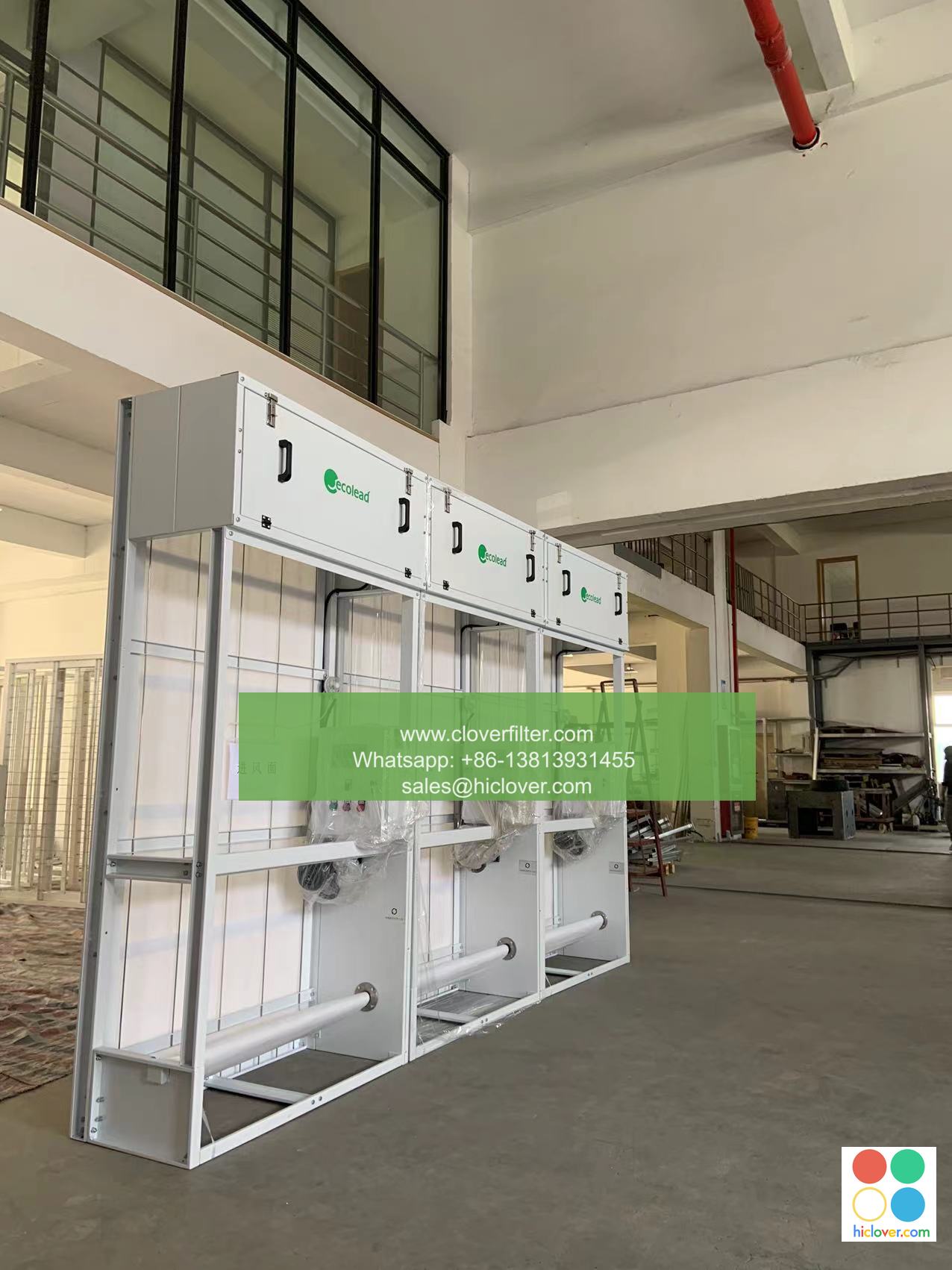
Activated carbon filter parts have become increasingly popular for home use due to their effectiveness in removing impurities and contaminants from water and air. These filters utilize activated carbon, a highly porous material that attracts and traps chemicals, heavy metals, and other pollutants. In this article, we will explore the pros and cons of using activated carbon filter parts for home use, highlighting various application areas such as water filtration, air purification, and odor removal.
Pros of Activated Carbon Filter Parts
The advantages of using activated carbon filter parts for home use are numerous. Some of the key benefits include:
- Effective contaminant removal: Activated carbon filters are highly effective in removing a wide range of contaminants, including chlorine, lead, volatile organic compounds (VOCs), and other chemicals.
- Improved taste and odor: Activated carbon filters can significantly improve the taste and odor of water and air by removing impurities and pollutants.
- Low maintenance: Activated carbon filter parts are relatively easy to maintain, as they can be replaced or reactivated as needed.
- Affordability: Compared to other types of filters, activated carbon filter parts are often more affordable and cost-effective.
- Limited effectiveness against certain contaminants: Activated carbon filters may not be effective against all types of contaminants, such as dissolved solids, nitrates, or certain heavy metals.
- Potential for channeling: If not properly installed or maintained, activated carbon filter parts can be prone to channeling, which can reduce their effectiveness.
- Risk of bacterial growth: If not regularly replaced or maintained, activated carbon filter parts can become a breeding ground for bacteria and other microorganisms.
- Not a substitute for other filtration methods: Activated carbon filter parts should be used in conjunction with other filtration methods, such as reverse osmosis or ultraviolet (UV) light, for optimal results.
- Water filtration systems: Activated carbon filters can be used to remove impurities and contaminants from drinking water, making it safer and more palatable.
- Air purification systems: Activated carbon filters can be used to remove pollutants and odors from the air, improving indoor air quality and reducing allergy symptoms.
- Odor removal: Activated carbon filters can be used to remove unpleasant odors from refrigerators, freezers, and other areas of the home.
- Industrial applications: Activated carbon filter parts are also used in various industrial applications, such as chemical processing, pharmaceutical manufacturing, and food processing.

Cons of Activated Carbon Filter Parts
While activated carbon filter parts have many benefits, there are also some potential drawbacks to consider:

Application Areas for Activated Carbon Filter Parts
Activated carbon filter parts have a wide range of applications in home use, including:
Conclusion
In conclusion, activated carbon filter parts can be a highly effective and affordable solution for removing impurities and contaminants from water and air in home use. While there are some potential drawbacks to consider, the benefits of using activated carbon filter parts far outweigh the drawbacks. By understanding the pros and cons of these filters and their various application areas, homeowners can make informed decisions about how to use activated carbon filter parts to improve the quality of their water and air. Whether used for water filtration, air purification, or odor removal, activated carbon filter parts are a valuable tool for creating a healthier and more comfortable home environment. It looks like you haven’t given me a prompt to work with. Please go ahead and provide a prompt, and I’ll do my best to help!
