The Pros and Cons of Different Air Filter Return Policies
Key Takeaways
- Understanding air filter return policies can save costs and improve operations.
- Return policies vary greatly between brands—consider flexibility in your selection.
- An Automatic Roll Air Filter can enhance efficiency in HVAC systems.
- Maintenance reduction and energy savings are key benefits to consider.
- Compliance with standards like ISO 16890 is essential but can be tricky.
- Roll Media Advance Logic: A sensor detects the pressure drop and activates the roll mechanism.
- Differential Pressure Trigger: Helps maintain optimal airflow, ensuring energy efficiency and performance.
- Timer Mode: Provides the option to change the media on a time-based schedule, enhancing predictability in maintenance routines.
- Airflow Range: Ensure the filter meets the required airflow needs for your application.
- Face Velocity: Optimize face velocity for energy savings and effective particulate control.
- Media Width/Length: Match size to the housing to maximize filter capacity and minimize leaks.
- Frame Size: Choose a frame that fits your existing air handling unit (AHU).
- Control Options: Consider options for smart monitoring systems for enhanced performance.
- Power Supply: Ensure compatibility with your HVAC control systems.
- Installation Location: Assess the optimal location for air intake or return to maximize effectiveness.
- Time Frame: Some suppliers offer a 30-day return period, while others may extend this to 90 days.
- Condition of Return: Brands may require filters to be unused or mint condition for a return, while others allow used filters if they do not meet performance expectations.
- Restocking Fees: Be wary of restocking fees that can increase the cost of a poorly performed investment.
- Exchanges: Policies that allow for easy exchanges can minimize downtime during filter transitions.
- Customer Support: Responsive support simplifies the process of returns and addressing issues.
- Not understanding specific airflow requirements.
- Underestimating the importance of filter quality standards like MERV or ISO 16890.
- Choosing the same filter type without considering operational changes.
- Failing to read the fine print on return policies.
- Ignoring installation instructions, leading to underperformance.
- Overusing filters past their recommended lifespan.
- Neglecting to monitor differential pressure indicators.
- Assuming all filters are interchangeable without assessing media compatibility.
- Relying solely on price over performance metrics.
- Overlooking installation location implications.

Introduction to Air Filter Return Policy
When investing in industrial air filtration solutions, the air filter return policy of a supplier is crucial to consider. The policy can impact your operational flexibility and financial considerations, particularly in facilities like cleanrooms, data centers, and manufacturing plants. This article will delve into the various air filter return policies, particularly focusing on products like the Automatic Roll Air Filter from CloverFilter, to guide procurement managers and HVAC engineers in making informed decisions.
What is an Automatic Roll Air Filter?

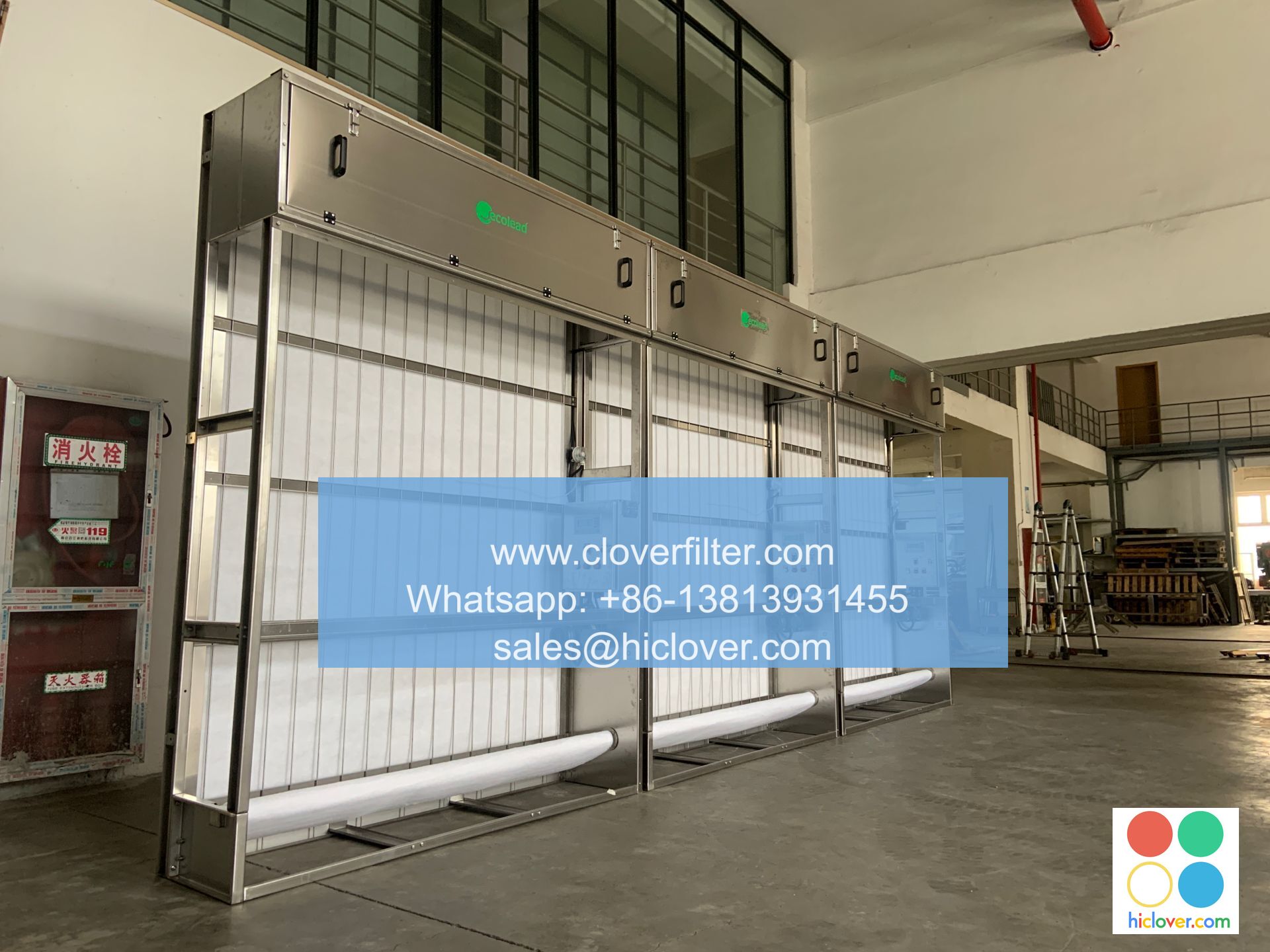
The Automatic Roll Air Filter is a type of air filtration system designed for use in HVAC (Heating, Ventilation, and Air Conditioning) systems. Its functionality revolves around roll media advance logic, which allows for an efficient and automatic replacement of filter media as it becomes dirty. Triggered by differential pressure, the filter advances the used media and exposes a clean section to the air stream when resistance exceeds a set threshold. This greatly simplifies maintenance while improving air quality.
How Does It Work?
In HVAC/AHU systems, the Automatic Roll Air Filter can be positioned at fresh air intakes, make-up air systems, or as prefilters in larger systems. This versatility contributes to better particulate control and ensures compliance with varying particulate standards.
Practical Selection Guide
When selecting an air filter, consider the following factors:
Air Filter Return Policies
Different brands offer varying air filter return policies that can significantly affect your procurement and maintenance strategies.
Factors to Consider
Comparison Table
| Type of Filter | Best Use Case | Maintenance | Pressure Drop Behavior | Operating Cost | Typical Risk/Downside |
|---|---|---|---|---|---|
| Automatic Roll Air Filter | Continuous use in variable environments | Low; self-cleaning mechanism | Low and consistent | Moderate | Initial cost may be higher |
| Bag Filter | High dust and particulate loads | Moderate; periodic bag replacement | Moderate to high | Variable, depends on load | Replacement can be complex |
| Panel Filter | Offices and light industrial | High; frequent changes | Moderate to high | Low upfront, high frequency | Short lifespan |
| V-bank Filter | High air volumes | Moderate; needs periodic cleaning or replacement | Low | Moderate | Can clog without management |
Common Mistakes & How to Avoid Them
Real-World Scenarios
1. Data Center
In a data center, maintaining optimal air quality is critical. After switching to the Automatic Roll Air Filter, the facility saw a 30% reduction in energy costs and enhanced airflow stability. The flexible return policy allowed them to easily swap out initial models that didn’t quite fit their specifications.
2. Battery Factory
A lithium battery manufacturer utilized an Automatic Roll Air Filter to ensure clean air in their production lines. By adhering to strict particle controls, they benefited from regulatory compliance and reduced maintenance downtime.
3. Paint Shop
In a paint booth environment, consistent air quality is key for product quality. Adopting the Automatic Roll Air Filter minimized particulate contamination and paid off with significantly reduced overspray and waste, benefitting from a liberal return policy that accommodated their experimental phase.
4. Textile/Steel/Cement Mill
In a steel mill, working with various particulate sizes can challenge filtration systems. The instated use of CloverFilter’s Automatic Roll Air Filter allowed the mill to manage costs, yielding better operational resilience and lower maintenance due to the easy-to-use roll mechanism.
FAQ Section
What is an air filter return policy?
An air filter return policy outlines the conditions under which customers can return or exchange an air filter, including time limits and product conditions required.
How can I evaluate filter quality?
Evaluating filter quality can be done by checking specifications like MERV ratings and compliance with standards such as ISO 16890.
Are automatic filters worth the cost?
While they may have a higher upfront cost, the reduced maintenance and labor savings often justify the cost in long-term operations.
Can I return an opened filter?
This depends on the supplier’s specific return policy; always check conditions before purchasing.
What maintenance is required for the Automatic Roll Air Filter?
Regularly monitor differential pressure indicators and change the filter media based on the gauge readings and set schedules.
How does filter efficiency evolve over time?
As filters collect particulate matter, their efficiency can decrease, leading to increased pressure drops, which should be monitored regularly.
Where can I find more information on air filters?
You can find additional resources and filters available at CloverFilter’s website: CloverFilter.
Meta Description: Explore the pros and cons of air filter return policies with a focus on Automatic Roll Air Filters from CloverFilter, ensuring informed industrial procurement decisions.
For more information about our products and support options, contact CloverFilter at CloverFilter Contact.
Sure! What type of prompt are you looking for? It could be for creative writing, brainstorming ideas, problem-solving, or something else entirely. Let me know how I can assist you!
