The Pros and Cons of Freight Shipping for Air Filters
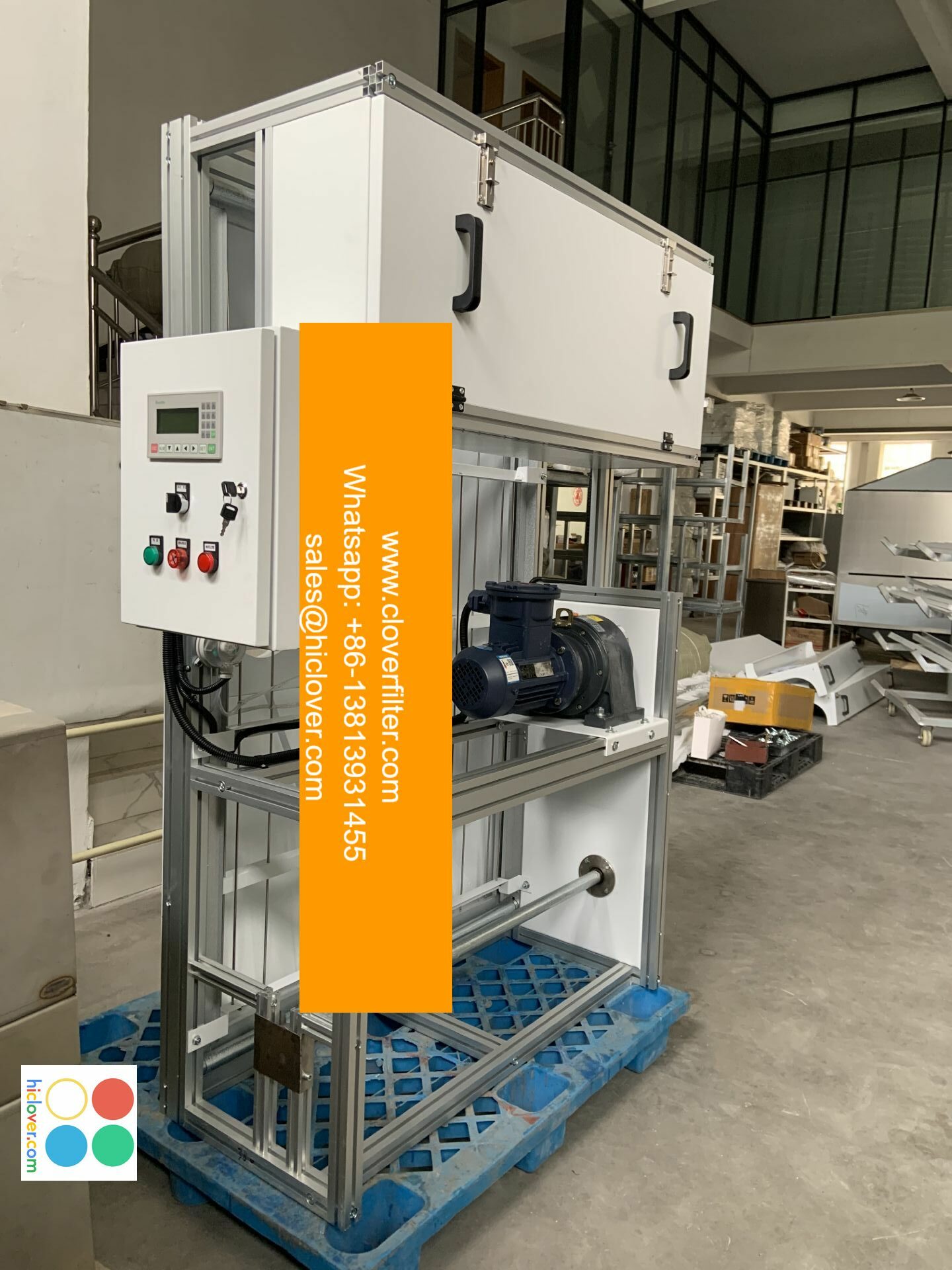
Air filters play a crucial role in maintaining a healthy and comfortable indoor environment. As the demand for high-quality air filters continues to grow, companies are seeking efficient and cost-effective ways to transport them. Freight shipping is a popular option, but it has its pros and cons. In this article, we’ll explore the advantages and disadvantages of freight shipping for air filters, highlighting various application areas and key keywords.
Pros of Freight Shipping for Air Filters

- Cost-Effective: Freight shipping can be a cost-effective option, especially for large volumes of air filters. It allows companies to take advantage of bulk discounts and reduce their transportation costs.
- Reliable: Freight shipping companies have established networks and transportation infrastructure, ensuring reliable and on-time delivery of air filters.
- Convenience: Freight shipping companies often provide additional services, such as tracking, updates, and insurance, making it easier for companies to manage their logistics.
- Flexibility: Freight shipping allows for flexible transportation options, including ground, air, and sea transport, depending on the specific requirements of the company.
- Security: Freight shipping companies typically have strict security measures in place, ensuring the safe transport of air filters.
Cons of Freight Shipping for Air Filters
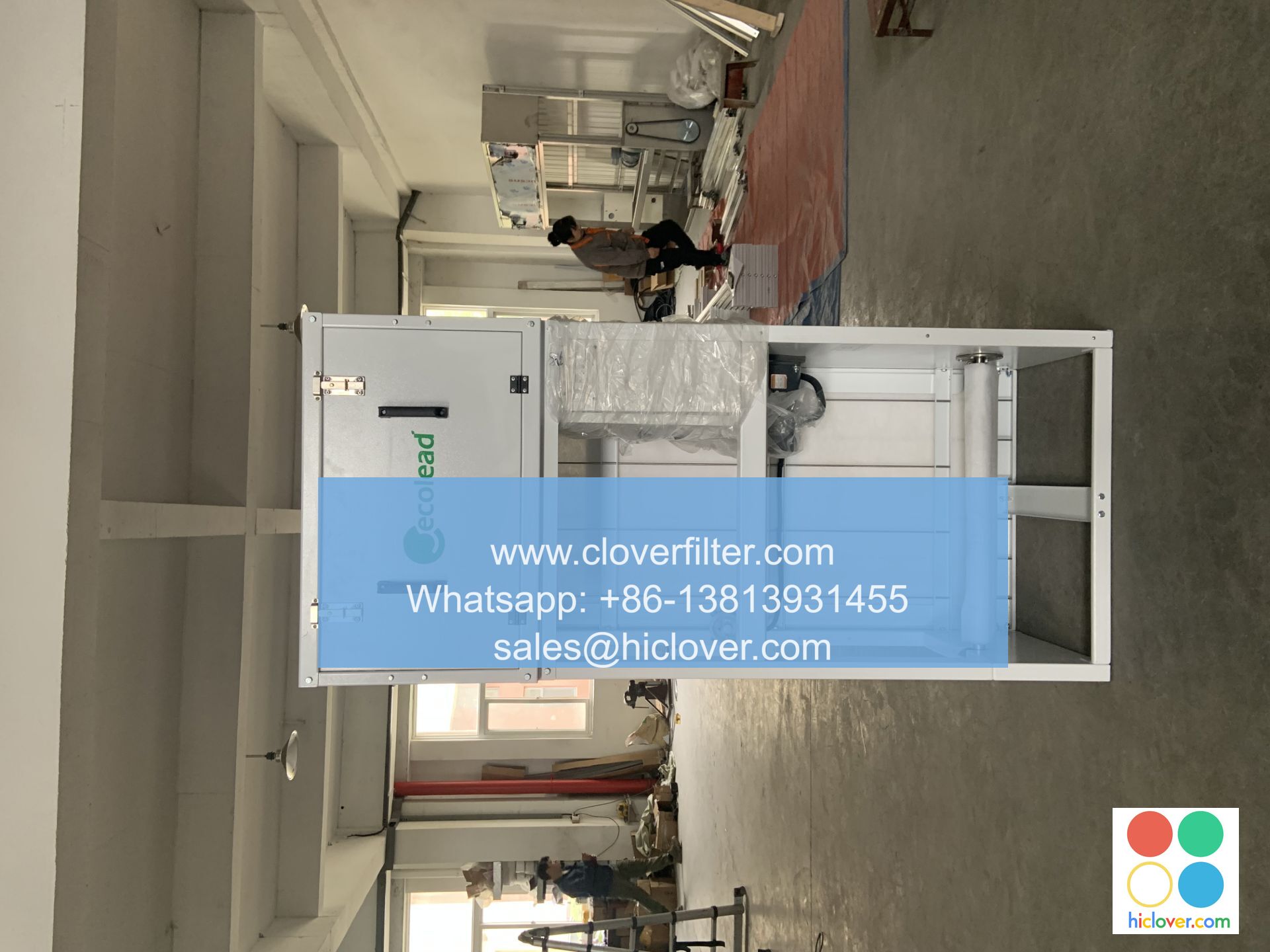
- Damage Risk: Air filters are delicate products, and freight shipping can pose a risk of damage, particularly during transit.
- Long Transit Times: Freight shipping can take longer than other transportation methods, such as next-day delivery or same-day delivery, which may not be ideal for companies requiring fast turnaround times.
- High Minimum Order Quantities: Freight shipping companies often require high minimum order quantities, which can be a barrier for small businesses or start-ups.
- Limited Visibility: Freight shipping companies may not always provide real-time tracking updates, making it challenging for companies to monitor their shipments.
- Liability Concerns: Companies shipping air filters via freight may be concerned about their liability in case of damage or loss.
Application Areas for Freight Shipping of Air Filters
- Industrial Air Purification: Freight shipping is particularly useful for industrial air purification systems, which often require bulk shipments of air filters.
- Office Buildings and Commercial Spaces: Freight shipping can be effective for office buildings and commercial spaces, where a large volume of air filters need to be transported.
- Healthcare Facilities: Healthcare facilities, including hospitals and medical centers, often require regular shipments of high-quality air filters, making freight shipping a viable option.
- Retail Stores and Home Delivery: Freight shipping can be used for retail stores and home delivery, particularly for bulk purchases or special orders.
Conclusion
While freight shipping has its pros and cons, it can be a viable option for companies shipping large volumes of air filters. By weighing the advantages and disadvantages, companies can make informed decisions about their transportation needs. Whether for industrial air purification, office buildings, healthcare facilities, or retail stores, freight shipping can be a reliable and cost-effective way to transport air filters.
It looks like you’re ready to get started! What’s on your mind? Do you have a specific topic or question in mind that you’d like to explore?
