The Pros and Cons of Using a Filter with a Built-In Multi-Purpose Filter
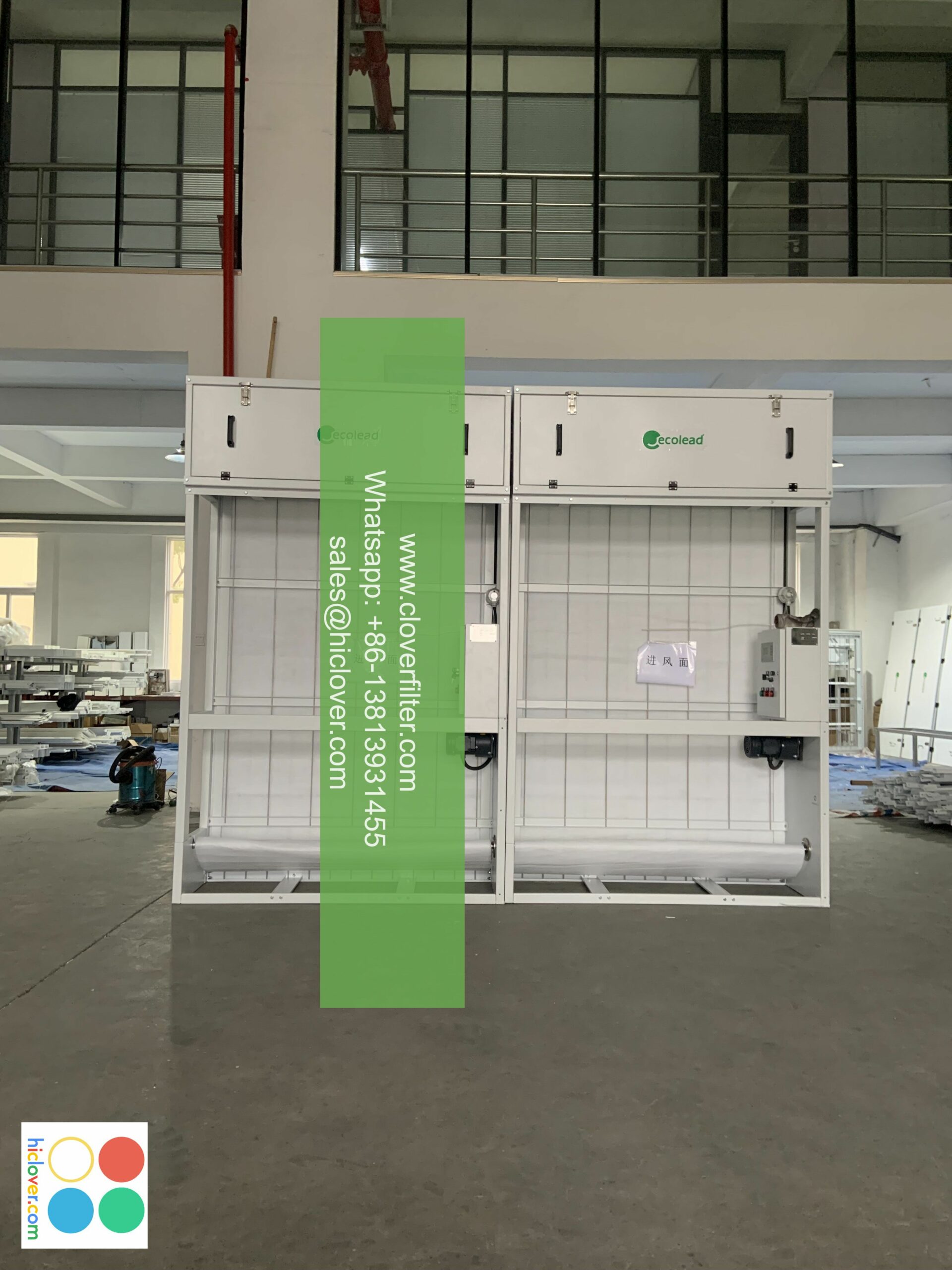
Introduction to Multi-Purpose Filters
A multi-purpose filter is a type of filter that can be used in various application areas, including water filtration, air purification, and industrial processes. These filters are designed to remove a wide range of contaminants, including sediments, bacteria, viruses, and chemicals. In this article, we will discuss the pros and cons of using a filter with a built-in multi-purpose filter, highlighting its advantages and disadvantages in different application areas.
Pros of Using a Multi-Purpose Filter
The use of a multi-purpose filter offers several advantages, including:
- Convenience: A multi-purpose filter can be used in various applications, making it a convenient option for users who need to filter different types of fluids or gases.
- Cost-effectiveness: Using a multi-purpose filter can be cost-effective, as it eliminates the need to purchase separate filters for different applications.
- Space-saving: A multi-purpose filter can be designed to be compact, making it a space-saving option for users who have limited space available.
- Easy maintenance: Multi-purpose filters are often designed with easy maintenance in mind, making it simple to clean and replace the filter media.
- Lower efficiency: A multi-purpose filter may not be as efficient as a filter that is specifically designed for a particular application.
- Reduced lifespan: Using a multi-purpose filter in a demanding application can reduce its lifespan, as it may not be designed to withstand the specific conditions.
- Increased risk of contamination: If a multi-purpose filter is not properly designed or maintained, it can increase the risk of contamination, which can have serious consequences in certain applications.
- Limited customization: A multi-purpose filter may not be able to be customized to meet the specific needs of a particular application, which can limit its effectiveness.
- Water treatment: Multi-purpose filters can be used to remove contaminants from drinking water, wastewater, and industrial process water.
- Air purification: Multi-purpose filters can be used to remove particulates, gases, and odors from the air in industrial, commercial, and residential applications.
- Industrial processes: Multi-purpose filters can be used in various industrial processes, including chemical processing, pharmaceutical manufacturing, and food processing.

Cons of Using a Multi-Purpose Filter
While a multi-purpose filter offers several advantages, there are also some disadvantages to consider:
Application Areas for Multi-Purpose Filters
Multi-purpose filters can be used in a variety of application areas, including:
Conclusion
In conclusion, a filter with a built-in multi-purpose filter can be a convenient and cost-effective option for users who need to filter different types of fluids or gases. However, it is essential to consider the pros and cons of using a multi-purpose filter, including its potential lower efficiency, reduced lifespan, and increased risk of contamination. By understanding the advantages and disadvantages of multi-purpose filters, users can make informed decisions about their use in various application areas, including water treatment, air purification, and industrial processes. It looks like you didn’t include a prompt. Please go ahead and provide one, and I’ll be happy to help! What would you like to talk about or ask?
