The Pros and Cons of Using a UV Light Air Filter
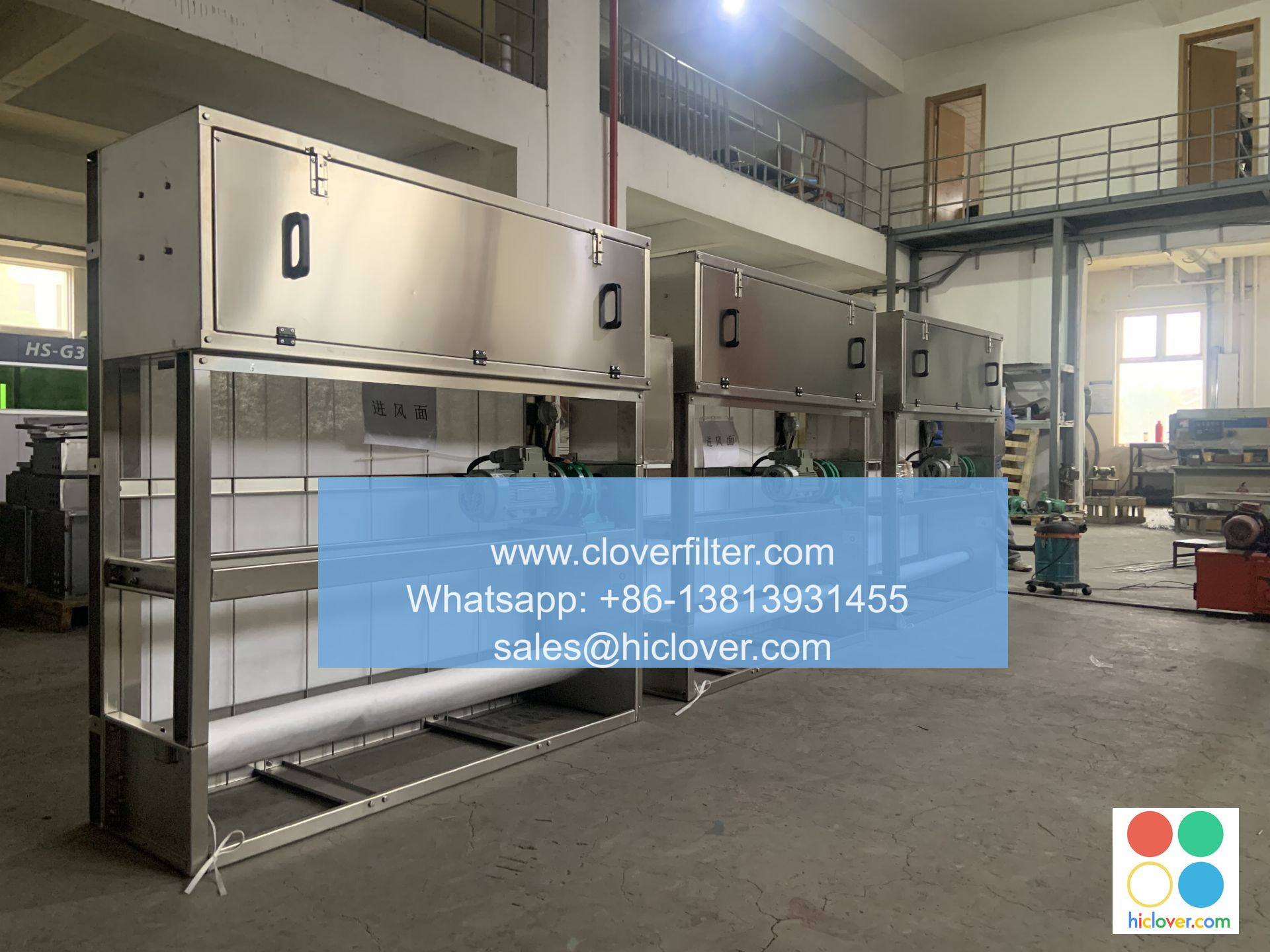
The use of UV light air filters has become increasingly popular in recent years, particularly in indoor air quality improvement and air purification systems. These filters utilize ultraviolet light technology to eliminate airborne contaminants, including bacteria, viruses, and mold spores. In this article, we will delve into the pros and cons of using a UV light air filter and explore its various application areas.
Pros of Using a UV Light Air Filter
The advantages of using a UV light air filter are numerous. Some of the key benefits include:
* Efficient air purification: UV light air filters are capable of eliminating up to 99.9% of airborne contaminants, making them an effective solution for indoor air quality improvement.
* Low maintenance: These filters are relatively easy to maintain, as they do not require frequent replacement or cleaning.
* Energy efficiency: UV light air filters are often energy-efficient, as they consume less power than traditional air purification systems.
* Compact design: UV light air filters are often compact and can be easily integrated into existing HVAC systems or used as standalone units.
Cons of Using a UV Light Air Filter
While UV light air filters offer several benefits, there are also some drawbacks to consider:
* Limited effectiveness: UV light air filters may not be effective against certain types of airborne contaminants, such as particulate matter or volatile organic compounds (VOCs).
* Cost: UV light air filters can be more expensive than traditional air filters, particularly high-end models with advanced features.
* Ozone production: Some UV light air filters can produce ozone as a byproduct, which can be harmful to human health in high concentrations.
* Limited lifespan: UV light air filters may have a limited lifespan, typically ranging from 6-12 months, depending on usage and maintenance.
Application Areas for UV Light Air Filters
UV light air filters have a wide range of applications, including:
* Residential air purification: UV light air filters can be used to improve indoor air quality in homes, particularly in areas with high levels of air pollution.
* Commercial air purification: UV light air filters can be used in office buildings, hospitals, and other commercial establishments to improve indoor air quality and reduce the risk of airborne illnesses.
* Industrial air purification: UV light air filters can be used in industrial settings to remove harmful chemicals and particulate matter from the air.
* Medical facilities: UV light air filters can be used in hospitals and other medical facilities to reduce the risk of hospital-acquired infections and improve patient outcomes.

Conclusion
In conclusion, UV light air filters offer several benefits, including efficient air purification, low maintenance, and energy efficiency. However, they also have some drawbacks, such as limited effectiveness and cost. By understanding the pros and cons of using a UV light air filter, individuals and organizations can make informed decisions about their use in various application areas, including residential, commercial, industrial, and medical facilities. As air quality concerns continue to grow, the use of UV light air filters is likely to become increasingly popular, and it is essential to weigh the advantages and disadvantages of these filters to ensure their effective and safe use. Prompt
