The Pros and Cons of UV Air Purifiers and Filters
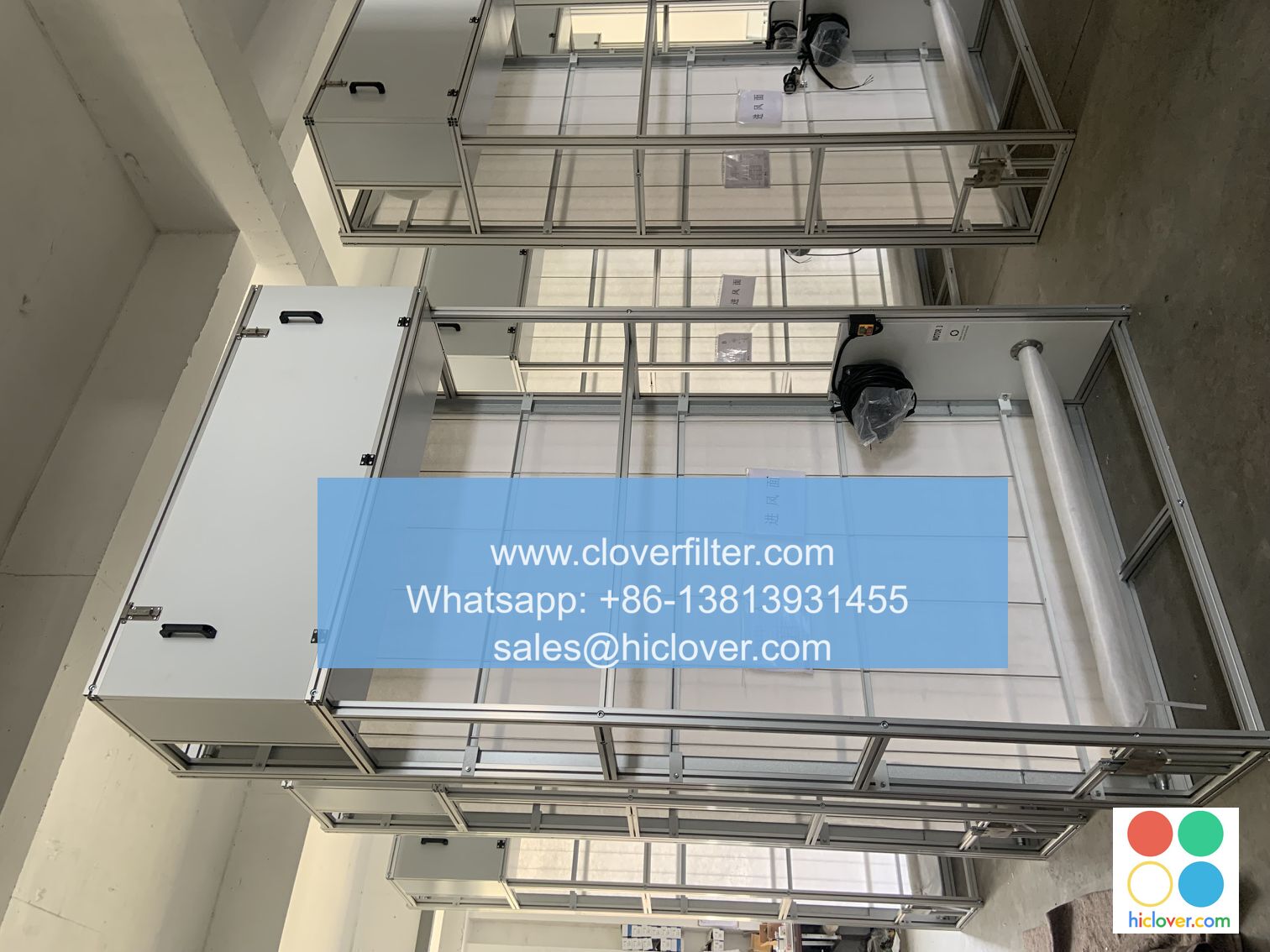
In today’s world, where indoor air pollution has become a significant concern, UV air purifiers and filters have emerged as a popular solution to improve the quality of indoor air. These devices use ultraviolet (UV) light technology to eliminate airborne pollutants, microorganisms, and allergens, creating a healthier indoor environment. In this article, we will discuss the pros and cons of UV air purifiers and filters, highlighting their various application areas and benefits.
How UV Air Purifiers and Filters Work

UV air purifiers and filters work by using UV light technology to kill bacteria, viruses, and other microorganisms that are present in the air. These devices are designed to capture 99.97% of particles as small as 0.3 microns, including dust, pollen, mold spores, and pet dander. The UV light emitted by these devices disrupts the DNA of microorganisms, preventing them from reproducing and causing harm.
Pros of UV Air Purifiers and Filters
The advantages of UV air purifiers and filters are numerous. Some of the key benefits include:
- Improved indoor air quality: UV air purifiers and filters can significantly reduce the levels of airborne pollutants and microorganisms in the air.
- Reduced allergy and asthma symptoms: By eliminating allergens and irritants from the air, UV air purifiers and filters can help alleviate allergy and asthma symptoms.
- Protection against infectious diseases: UV air purifiers and filters can help prevent the spread of infectious diseases such as influenza and tuberculosis.
- Low maintenance: UV air purifiers and filters require minimal maintenance, as they do not have replaceable filters that need to be changed frequently.
- Initial cost: UV air purifiers and filters can be more expensive than traditional air purifiers and filters.
- Limited coverage area: UV air purifiers and filters may not be effective in large spaces or areas with high ceilings.
- Potential health risks: Exposure to UV light can be harmful to human health, particularly if the device is not installed or maintained properly.
- Lack of standardization: The UV air purifier and filter industry is not well-regulated, which can make it difficult to choose a reliable and effective product.
- Residential homes: UV air purifiers and filters can be used to improve the indoor air quality in homes and apartments.
- Commercial spaces: UV air purifiers and filters can be used in offices, restaurants, and other commercial spaces to improve the indoor air quality and reduce the risk of infectious diseases.
- Healthcare facilities: UV air purifiers and filters can be used in <b*hospitals, clinics, and other healthcare facilities to reduce the risk of infectious diseases and improve the indoor air quality.
- Industrial settings: UV air purifiers and filters can be used in industrial settings such as factories and warehouses to improve the indoor air quality and reduce the risk of occupational diseases.
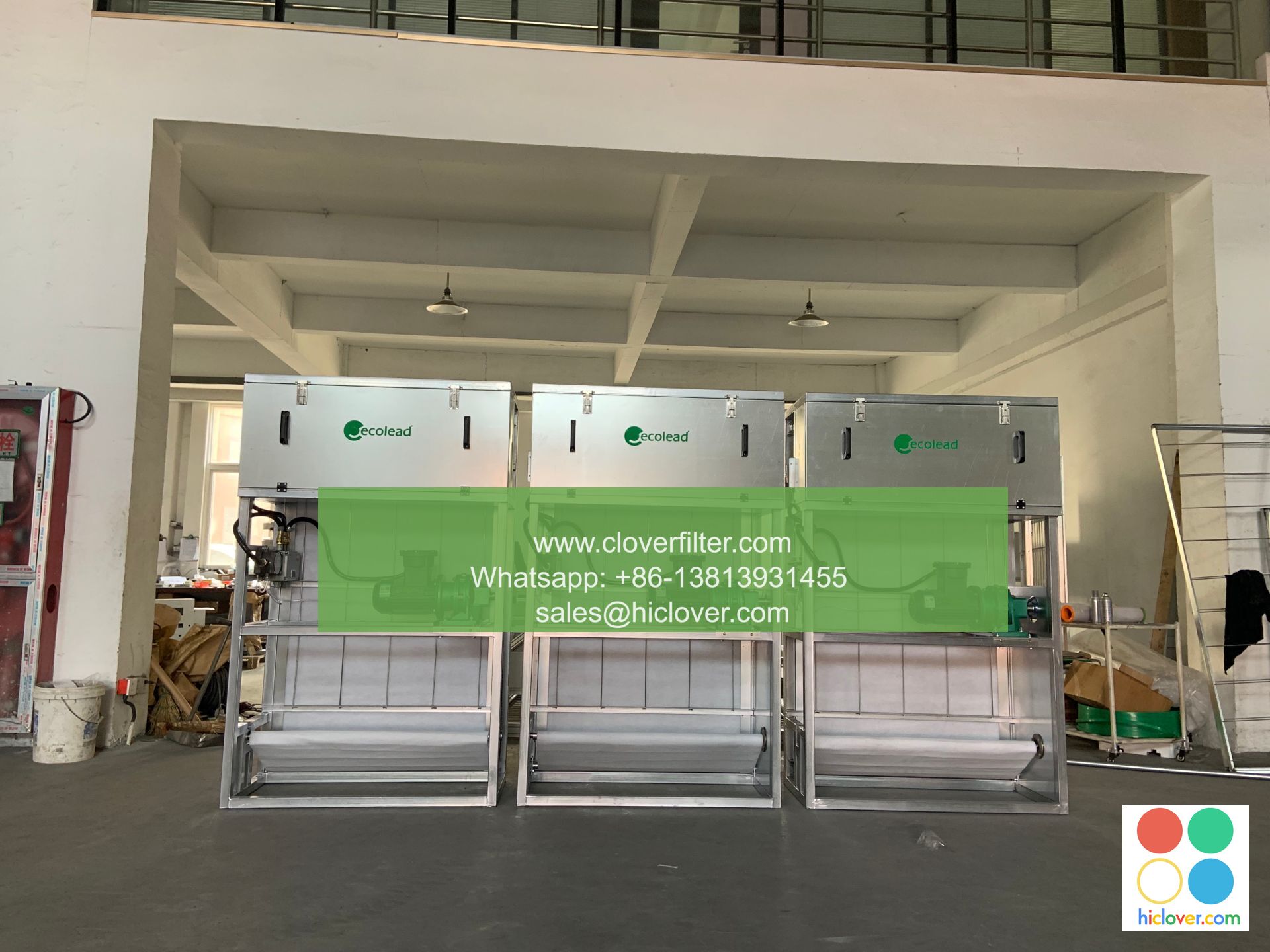
Cons of UV Air Purifiers and Filters
While UV air purifiers and filters have several benefits, they also have some drawbacks. Some of the key disadvantages include:
Application Areas of UV Air Purifiers and Filters
UV air purifiers and filters have a wide range of application areas, including:
Conclusion
In conclusion, UV air purifiers and filters are an effective solution for improving the indoor air quality and reducing the risk of infectious diseases. While they have several benefits, they also have some drawbacks that need to be considered. By understanding the pros and cons of UV air purifiers and filters and their various application areas, individuals and organizations can make informed decisions about whether to use these devices to improve the quality of indoor air.
It looks like you didn’t include a prompt! Please go ahead and provide a topic, question, or task, and I’ll do my best to assist you. I’m here to help with anything from answering questions to generating text or providing information on a wide range of subjects. What’s on your mind?
