The Relationship Between Air Filter Movements and HVAC System Performance
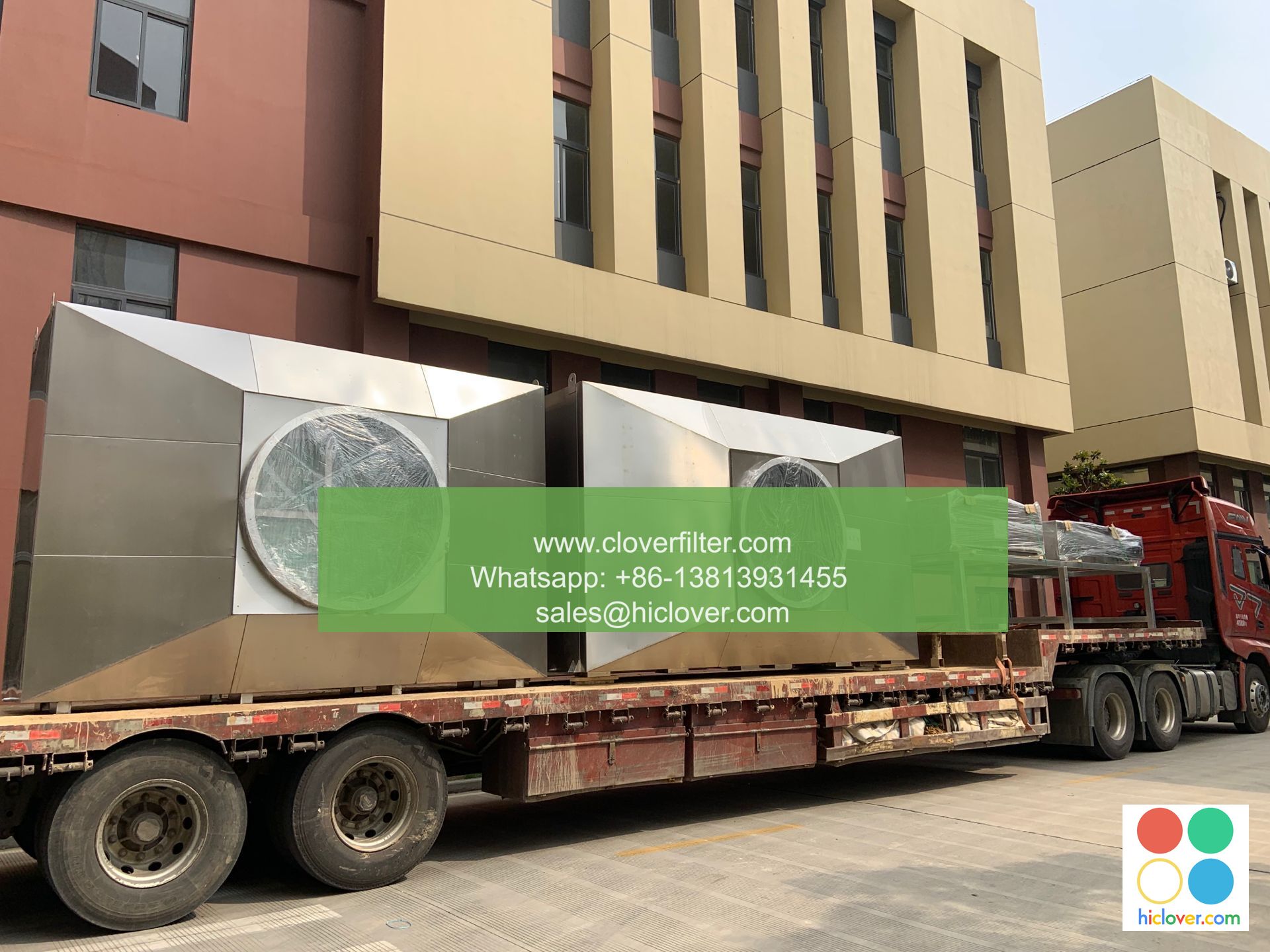
The performance of a Heating, Ventilation, and Air Conditioning (HVAC) system is heavily influenced by the air filter movements within the system. Air filter maintenance and air filter replacement are crucial aspects of ensuring the overall efficiency and effectiveness of the HVAC system. In this article, we will explore the relationship between air filter movements and HVAC system performance, highlighting various application areas and key considerations for indoor air quality and energy efficiency.
Introduction to Air Filter Movements
Air filter movements refer to the airflow patterns and pressure drops that occur within an HVAC system as a result of the air filter’s presence. The air filter’s primary function is to remove airborne contaminants and improve indoor air quality. However, the air filter’s movement can also impact the system’s energy consumption, system performance, and overall efficiency.
Types of Air Filter Movements
There are several types of air filter movements that can occur within an HVAC system, including:
* Linear air filter movements: This type of movement occurs when the air filter is installed in a linear configuration, allowing for smooth airflow and minimal pressure drop.
* Rotary air filter movements: This type of movement occurs when the air filter is installed in a rotary configuration, allowing for increased airflow and improved filtration efficiency.
* Pulsating air filter movements: This type of movement occurs when the air filter is installed in a pulsating configuration, allowing for variable airflow and adaptability to changing system conditions.
Impact of Air Filter Movements on HVAC System Performance
The air filter movements can have a significant impact on the HVAC system’s performance, including:
* Energy efficiency: The air filter’s movement can affect the system’s energy consumption, with proper air filter maintenance and replacement resulting in reduced energy costs and increased system efficiency.
* Indoor air quality: The air filter’s movement can impact the removal of airborne contaminants, with proper air filter selection and maintenance resulting in improved indoor air quality and reduced health risks.
* System performance: The air filter’s movement can affect the system’s overall performance, with proper air filter installation and maintenance resulting in increased system reliability and reduced downtime.
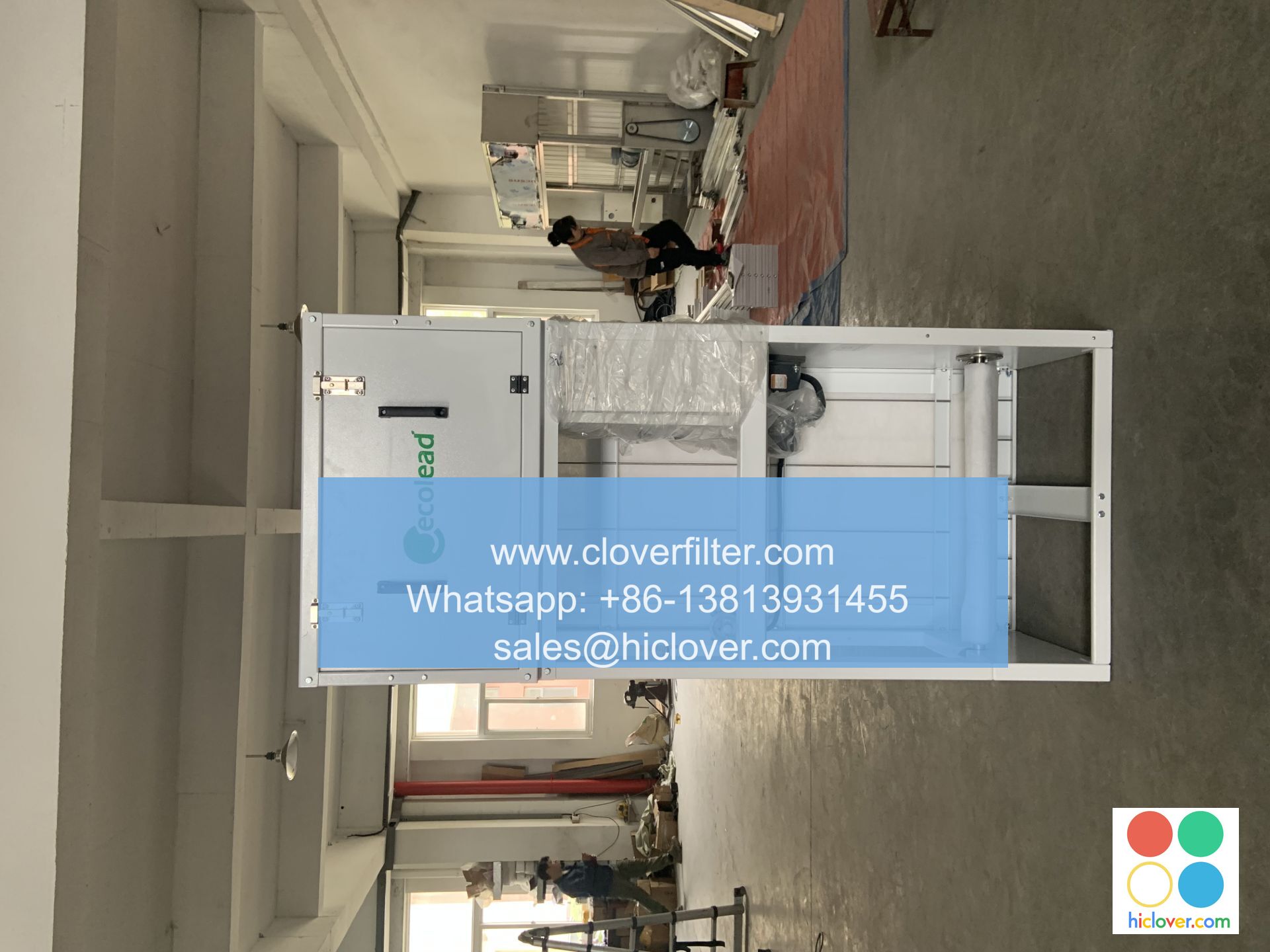
Application Areas
The relationship between air filter movements and HVAC system performance is crucial in various application areas, including:
* Commercial buildings: Office buildings, shopping centers, and hotels require high-quality air filtration systems to maintain indoor air quality and energy efficiency.
* Industrial facilities: Manufacturing plants, warehouses, and data centers require reliable air filtration systems to maintain system performance and productivity.
* Residential buildings: Homes and apartments require efficient air filtration systems to maintain indoor air quality and energy efficiency.
Conclusion
In conclusion, the relationship between air filter movements and HVAC system performance is complex and multifaceted. Air filter maintenance and replacement are crucial aspects of ensuring the overall efficiency and effectiveness of the HVAC system. By understanding the different types of air filter movements and their impact on system performance, building owners and facility managers can make informed decisions about air filter selection and maintenance to optimize indoor air quality, energy efficiency, and system performance. It seems like you’re ready to start a conversation or ask a question, but you haven’t provided any details yet. What’s on your mind? Would you like to discuss a specific topic, ask for advice, or perhaps explore a particular subject? I’m here to help with any questions or topics you’d like to discuss!
