The Role of Air Filter Components in Pharmaceutical Facilities
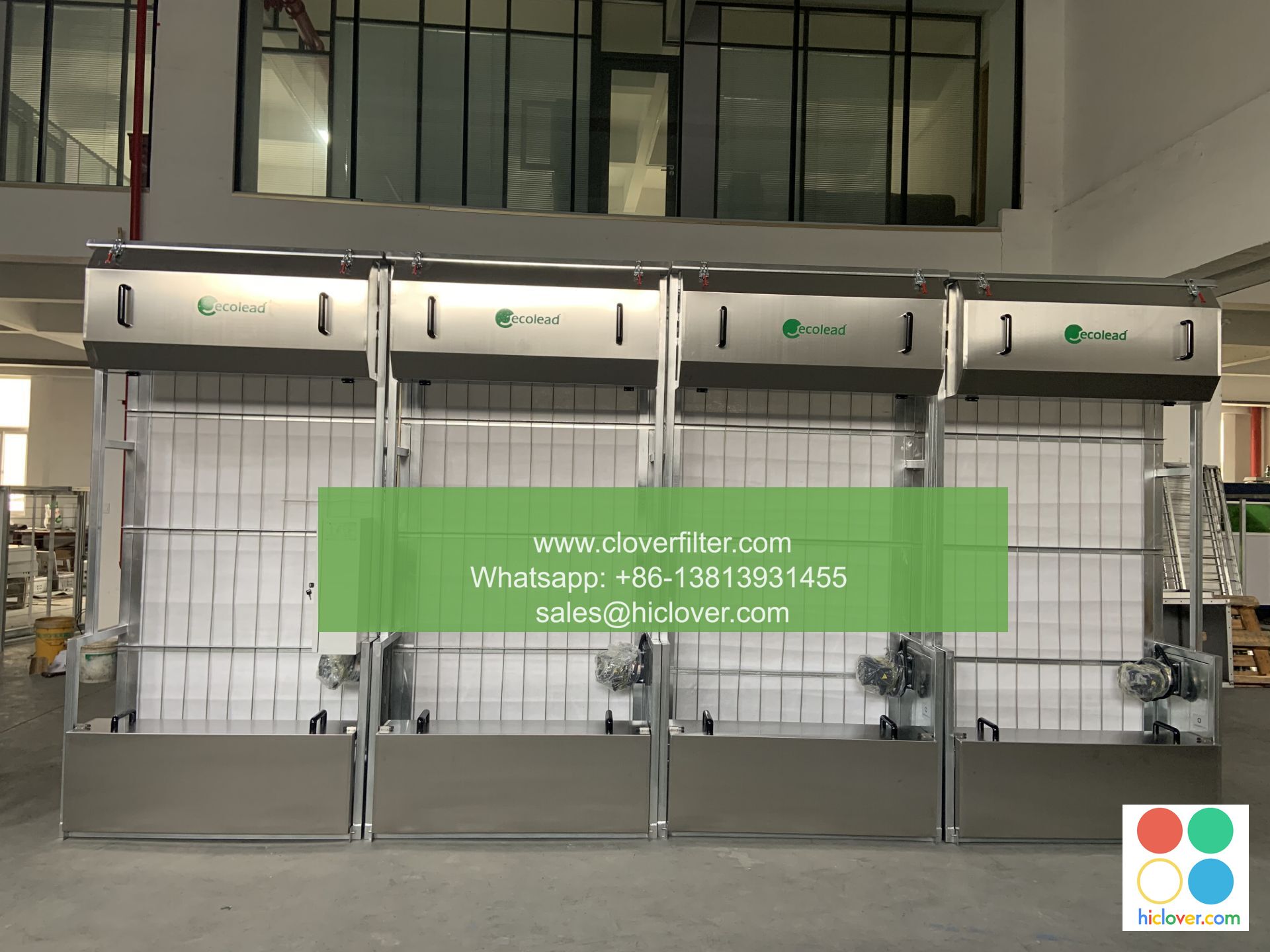
Pharmaceutical facilities require a cleanroom environment to ensure the quality and safety of their products. One crucial aspect of maintaining this environment is the use of air filter components. In this article, we will explore the importance of air filter components in pharmaceutical facilities, highlighting their application areas and key benefits.
Airborne Contamination Control
Airborne contamination is a significant concern in pharmaceutical facilities, as it can affect the sterility and potency of pharmaceutical products. Air filter components, such as HEPA filters and ULPA filters, play a vital role in controlling airborne contamination. These filters are designed to capture particulate matter, bacteria, and other contaminants, preventing them from entering the cleanroom environment.
Types of Air Filter Components
There are several types of air filter components used in pharmaceutical facilities, including:
* Pre-filters: Designed to capture large particles and prolong the life of downstream filters.
* HEPA filters: Capable of capturing 99.97% of particles as small as 0.3 microns.
* ULPA filters: Designed to capture 99.999% of particles as small as 0.12 microns.
* Activated carbon filters: Used to capture gases and odors.
Application Areas
Air filter components are used in various application areas within pharmaceutical facilities, including:
* Cleanrooms: Requires high-efficiency air filtration to maintain a sterile environment.
* Pharmaceutical manufacturing: Air filter components are used to control airborne contamination and ensure product quality.
* Quality control laboratories: Requires precise air filtration to prevent contamination and ensure accurate test results.
* Stability chambers: Used to store and test pharmaceutical products, requiring controlled temperature and humidity environments.

Key Benefits
The use of air filter components in pharmaceutical facilities offers several key benefits, including:
* Improved product quality: By controlling airborne contamination, air filter components help ensure the quality and safety of pharmaceutical products.
* Reduced risk of contamination: Air filter components minimize the risk of contamination, reducing the likelihood of product recalls and regulatory issues.
* Increased efficiency: By prolonging the life of downstream filters and reducing maintenance needs, air filter components can help increase efficiency and reduce costs.
* Compliance with regulatory requirements: Air filter components help pharmaceutical facilities meet regulatory requirements, such as those outlined in ISO 14644 and USP 797.
Conclusion
In conclusion, air filter components play a critical role in maintaining a cleanroom environment in pharmaceutical facilities. By controlling airborne contamination and providing high-efficiency air filtration, air filter components help ensure the quality and safety of pharmaceutical products. With their use in various application areas and key benefits, air filter components are an essential component of any pharmaceutical facility. It seems like you forgot to include the actual prompt. Could you please provide more details or clarify what you would like to talk about or ask? I’m here to help with any questions or topics you have in mind!
