The Role of Air Filter Design in Medical Device Manufacturing
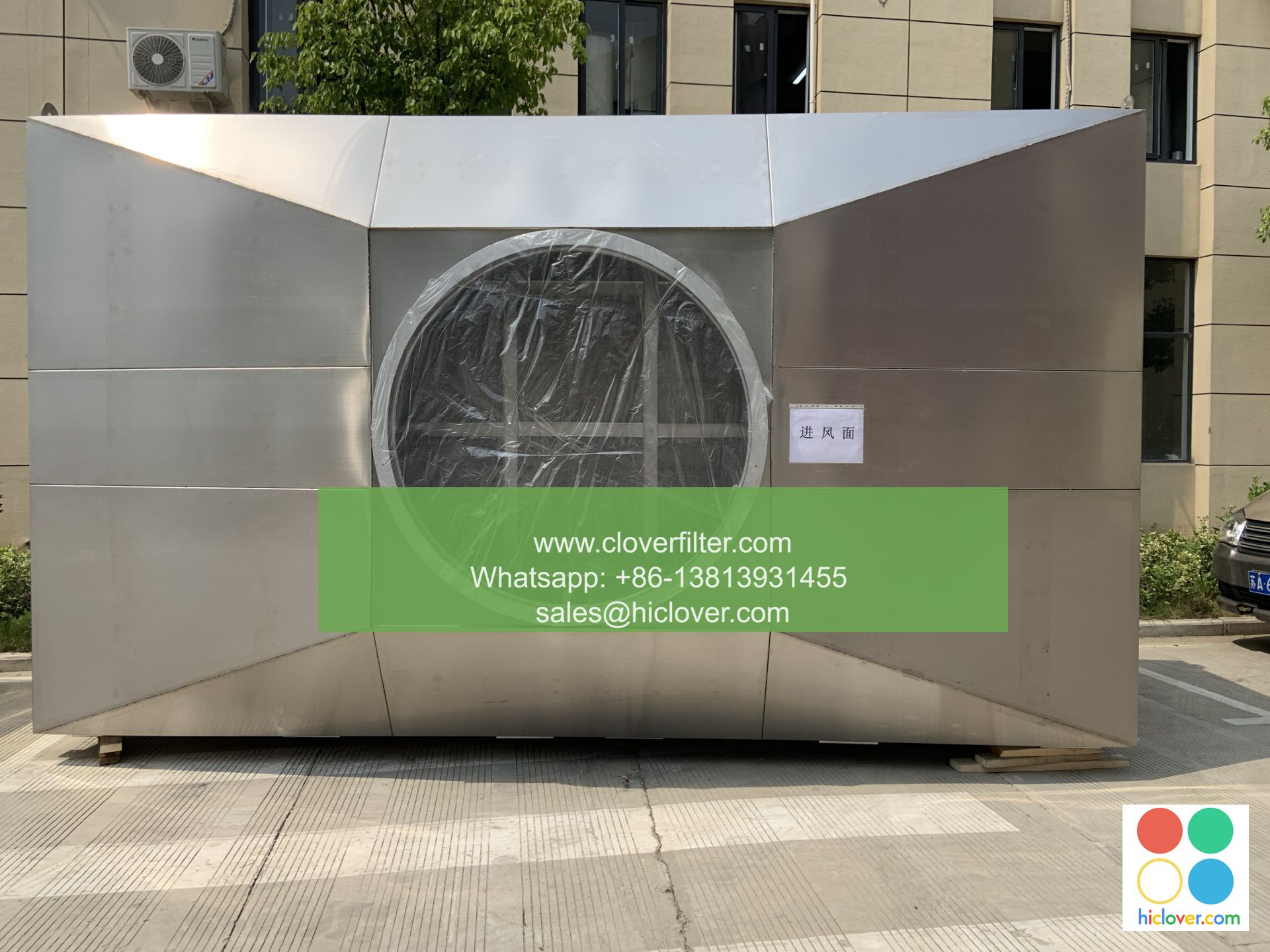
In the medical device manufacturing industry, maintaining a sterile and controlled environment is crucial to prevent contamination and ensure the quality of medical devices. One critical component in achieving this goal is the design of air filters used in medical device manufacturing facilities. In this article, we will explore the importance of air filter design in medical device manufacturing, highlighting various application areas and the use of HEPA filters, ULPA filters, and membrane filters.
Importance of Air Filter Design
Proper air filtration systems are essential in medical device manufacturing to minimize the risk of contamination and ensure compliance with regulatory standards such as ISO 13485 and FDA guidelines. The design of air filters plays a critical role in removing particulate matter, bacteria, and viruses from the air, creating a cleanroom environment that is essential for the production of medical implants, surgical instruments, and pharmaceutical products.
HEPA Filters in Medical Device Manufacturing
HEPA filters (High Efficiency Particulate Air) are widely used in medical device manufacturing due to their high efficiency in removing 99.97% of particles as small as 0.3 microns. These filters are commonly used in cleanrooms, laminar flow cabinets, and biosafety cabinets to provide a sterile environment for the production of medical devices. The use of HEPA filters is essential in preventing cross-contamination and ensuring the quality of medical products.
ULPA Filters in Medical Device Manufacturing
ULPA filters (Ultra Low Penetration Air) are used in applications where higher levels of filtration are required. These filters can remove 99.999% of particles as small as 0.1 microns, making them ideal for use in high-risk applications such as the production of implantable medical devices and pharmaceutical products. The use of ULPA filters provides an additional layer of protection against contamination and ensures the safety of medical products.

Membrane Filters in Medical Device Manufacturing
Membrane filters are used in various application areas of medical device manufacturing, including sterile filtration, bioburden reduction, and endotoxin removal. These filters are designed to remove bacteria, viruses, and endotoxins from liquid products, ensuring the quality and safety of medical products.
Application Areas of Air Filter Design
The design of air filters plays a critical role in various application areas of medical device manufacturing, including:
* Cleanroom technology: Air filters are used to create a sterile environment for the production of medical devices.
* Laminar flow cabinets: Air filters are used to provide a unidirectional flow of filtered air to prevent contamination.
* Biosafety cabinets: Air filters are used to provide a safe working environment for handling pathogenic materials.
* Pharmaceutical manufacturing: Air filters are used to ensure the quality and safety of pharmaceutical products.
Conclusion
In conclusion, the design of air filters plays a critical role in medical device manufacturing, highlighting the importance of air filtration systems in preventing contamination and ensuring the quality and safety of medical products. The use of HEPA filters, ULPA filters, and membrane filters in various application areas of medical device manufacturing is essential to maintain a sterile environment and comply with regulatory standards. As the medical device manufacturing industry continues to evolve, the importance of air filter design will remain a critical component in ensuring the quality and safety of medical products. It seems like you forgot to include the actual prompt. Please go ahead and provide the details or question you’d like help with, and I’ll do my best to assist you!
