The Role of Air Filter Design in Semiconductor Manufacturing
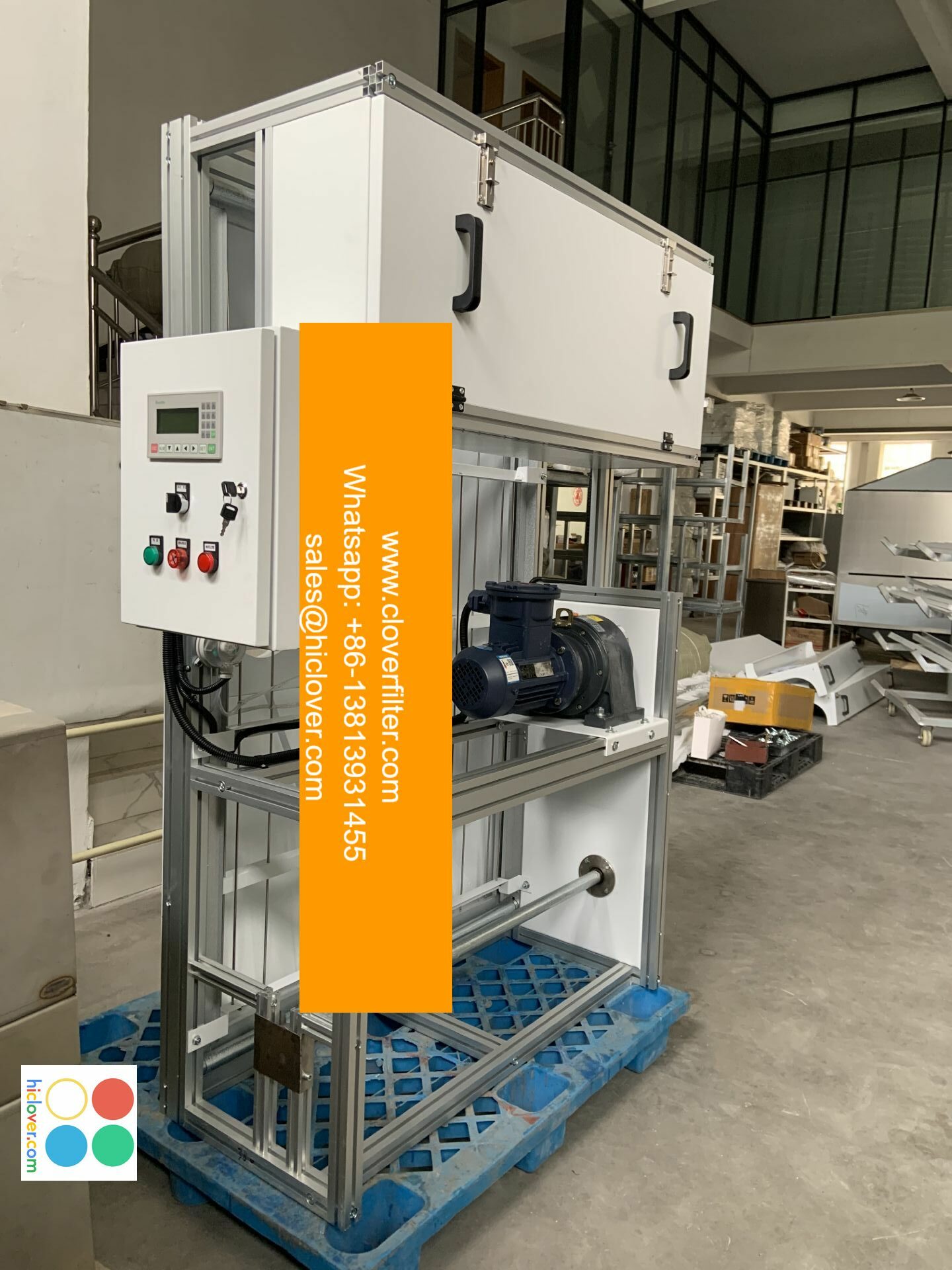
The semiconductor manufacturing industry is a highly sensitive and demanding field that requires precise control over the environment to produce high-quality microchips. One of the critical factors in maintaining a clean and stable environment is the design of air filters. In this article, we will explore the role of air filter design in semiconductor manufacturing and highlight its importance in various application areas.
Contamination Control in Cleanrooms
Semiconductor manufacturing takes place in cleanrooms, which are tightly controlled environments that minimize the presence of airborne contaminants. The primary goal of air filter design in cleanrooms is to remove particles, gases, and other impurities from the air to prevent contamination of the manufacturing process. High-efficiency particulate air (HEPA) filters and ultra-low penetration air (ULPA) filters are commonly used in cleanrooms to achieve this goal.
Types of Air Filters Used in Semiconductor Manufacturing
Several types of air filters are used in semiconductor manufacturing, including:
* Pre-filters: used to remove larger particles and debris from the air
* HEPA filters: used to remove smaller particles, such as dust and pollen
* ULPA filters: used to remove even smaller particles, such as bacteria and viruses
* Activated carbon filters: used to remove gases and odors from the air
* Ionizers: used to remove static electricity and other charges from the air
Application Areas of Air Filter Design
Air filter design plays a crucial role in various application areas of semiconductor manufacturing, including:
* Wafer fabrication: where air filters are used to maintain a clean environment during the fabrication process
* Assembly and packaging: where air filters are used to prevent contamination during the assembly and packaging of microchips
* Testing and inspection: where air filters are used to maintain a clean environment during the testing and inspection of microchips
* Research and development: where air filters are used to create a controlled environment for experimentation and testing

Importance of Air Filter Design in Semiconductor Manufacturing
The design of air filters is critical in semiconductor manufacturing due to the following reasons:
* Yield improvement: air filters help to reduce contamination, which can improve the yield of microchips
* Defect reduction: air filters help to reduce defects caused by contamination, which can improve the overall quality of microchips
* Cost savings: air filters can help to reduce costs associated with rework, repair, and replacement of microchips
* Compliance with regulations: air filters can help to ensure compliance with regulations and standards, such as those set by the International Organization for Standardization (ISO)
Conclusion
In conclusion, the design of air filters plays a vital role in semiconductor manufacturing, particularly in cleanrooms and other application areas. The use of HEPA filters, ULPA filters, and other types of air filters can help to maintain a clean and stable environment, reduce contamination, and improve the overall quality of microchips. As the semiconductor industry continues to evolve, the importance of air filter design will only continue to grow, highlighting the need for innovative solutions and advanced technologies in this field. It seems like you forgot to include the actual prompt. Could you please provide more details or clarify what you need help with? I’m here to assist you!
