The Role of Air Filter Design in Ventilation Systems
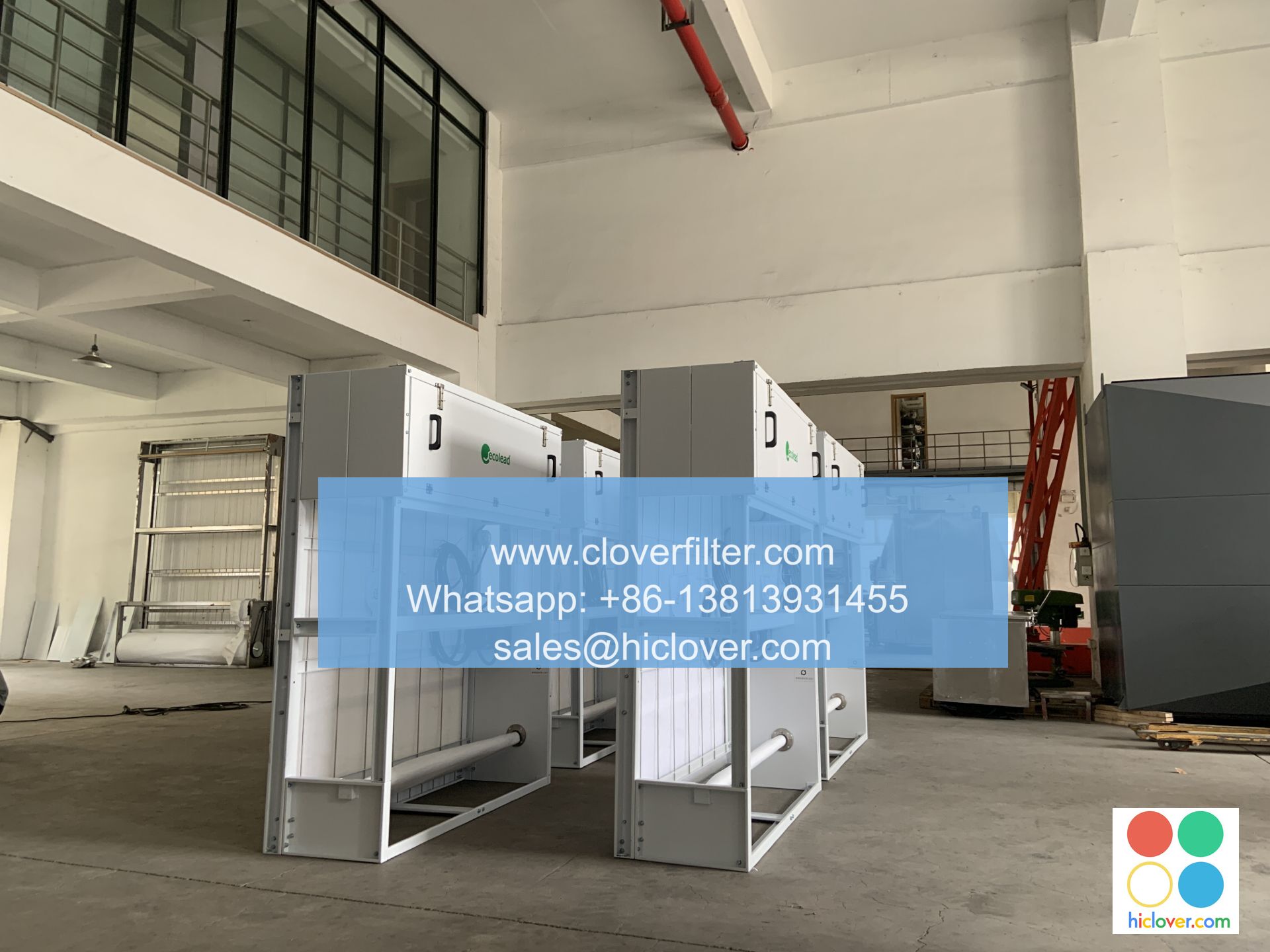
The Crucial Role of Air Filter Design in Ventilation Systems
Air Filter Design: The Unsung Hero of Ventilation Systems

When it comes to ensuring proper airflow and maintaining a healthy indoor environment, ventilation systems play a critical role. However, the often-overlooked air filter design is a vital component that often goes unnoticed until it’s too late. In this article, we’ll delve into the importance of air filter design and explore its applications in various settings.
Key Challenges in Ventilation Systems
Ventilation systems are designed to provide a consistent flow of fresh air into a building, while removing stale air and contaminants. However, achieving this goal isn’t easy, as ventilation systems face numerous challenges, including:
- High air volumes and pressures
- Contaminant-laden air
- Duct leakage and airflow restrictions
- Energy efficiency and cost constraints
- Filter Efficiency: Air filters must be designed to capture airborne particles and contaminants, such as dust, pollen, and pollutants. The filter’s efficiency is measured by its ability to remove particles of a specific size.
- Filter Resistance: Air filters must be designed to minimize airflow resistance, ensuring that air flows freely through the system.
- Filter Life: Air filters must be designed to last throughout the system’s operational life, without compromising performance.
- Energy Efficiency: Air filters must be designed to minimize energy loss and optimize airflow.
- HVAC Systems: Air filter design is critical in heating, ventilation, and air conditioning (HVAC) systems, where dirty air can damage equipment and compromise indoor air quality.
- Industrial Processes: Air filter design is essential in industrial processes, such as those found in manufacturing, oil and gas, and pharmaceuticals, where airborne contaminants can damage equipment and impact product quality.
- Healthcare Facilities: Air filter design is critical in healthcare facilities, where airborne pathogens and contaminants can pose serious health risks to patients and staff.
- Commercial and Residential Buildings: Air filter design is important in commercial and residential buildings, where clean air is essential for occupant health and comfort.

To overcome these challenges, air filter design plays a crucial role in removing impurities from the air, protecting equipment and occupants, and ensuring optimal airflow.
The Role of Air Filter Design in Ventilation Systems
Air filter design is responsible for ensuring that air entering a ventilation system is clean and free from contaminants. Here are some key aspects of air filter design:
Applications of Air Filter Design in Ventilation Systems
Air filter design is crucial in various ventilation systems, including:
Conclusion
In conclusion, air filter design plays a vital role in ensuring the performance, efficiency, and safety of ventilation systems. By understanding the importance of air filter design in various applications, engineers and architects can design ventilation systems that provide optimal airflow, indoor air quality, and energy efficiency. In this article, we’ve highlighted the role of air filter design in ventilation systems and explored its applications in various settings. By prioritizing air filter design, we can create safer, healthier, and more sustainable indoor environments.
Keywords: Air Filter Design, Ventilation Systems, HVAC Systems, Industrial Processes, Healthcare Facilities, Commercial and Residential Buildings, Airflow, Indoor Air Quality, Energy Efficiency.
I’m ready! What’s the prompt you’d like me to help with?
