The Role of Air Filter Dimensions in Boosting Energy Efficiency
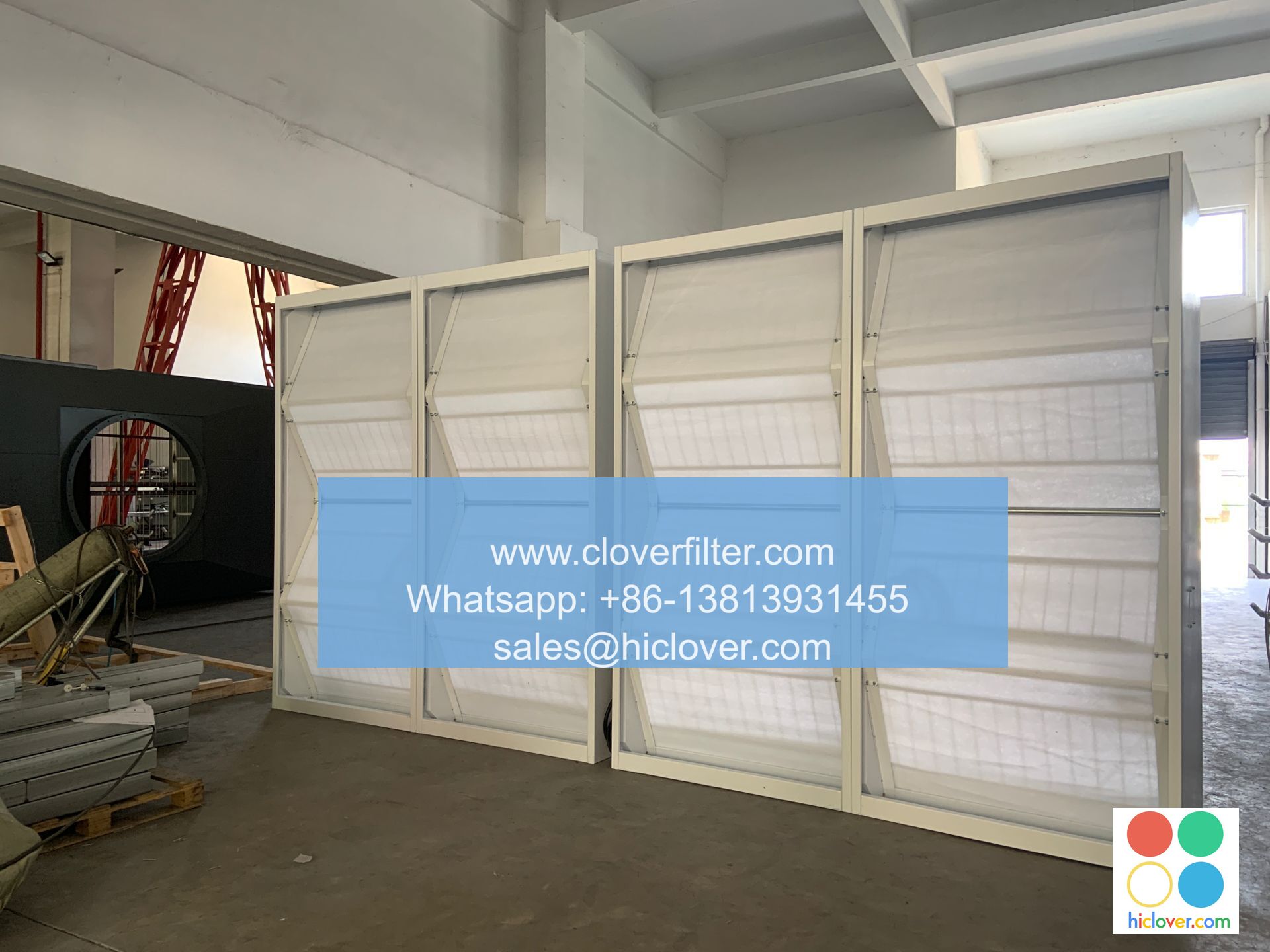
As the world grapples with the challenges of climate change and energy conservation, the importance of energy efficiency in various sectors cannot be overstated. One often overlooked aspect of energy efficiency is the role of air filter dimensions in heating, ventilation, and air conditioning (HVAC) systems. In this article, we will delve into the significance of air filter dimensions in boosting energy efficiency and explore their applications in different areas.
Understanding Air Filter Dimensions
Air filter dimensions refer to the size and shape of air filters used in HVAC systems. These dimensions play a crucial role in determining the airflow rate, pressure drop, and filtration efficiency of the system. A well-designed air filter with optimal dimensions can significantly reduce energy consumption and greenhouse gas emissions.
Impact of Air Filter Dimensions on Energy Efficiency
The dimensions of an air filter can affect energy efficiency in several ways:
* Airflow rate: A larger air filter with optimal dimensions can allow for a higher airflow rate, reducing the need for fans and pumps to work harder, thereby decreasing energy consumption.
* Pressure drop: A well-designed air filter with minimal pressure drop can reduce the energy required to push air through the system, resulting in lower energy bills and reduced carbon footprint.
* Filtration efficiency: An air filter with optimal dimensions can capture more particulate matter and pollutants, improving indoor air quality and reducing the need for repeated filtration cycles, which can save energy.
Applications of Air Filter Dimensions
The importance of air filter dimensions is not limited to a specific industry or sector. They have a wide range of applications in:
* Commercial buildings: Optimizing air filter dimensions in commercial buildings can lead to significant energy savings and cost reductions.
* Industrial processes: Air filter dimensions play a critical role in industrial ventilation systems, where they can help reduce energy consumption and improve process efficiency.
* Residential HVAC systems: Well-designed air filters with optimal dimensions can improve home energy efficiency and reduce energy bills for homeowners.
* Automotive industry: Air filter dimensions are crucial in vehicle ventilation systems, where they can help improve fuel efficiency and reduce emissions.

Best Practices for Selecting Air Filters
To maximize energy efficiency, it is essential to select air filters with optimal dimensions. Here are some best practices to follow:
* Consult manufacturer guidelines: Always consult the manufacturer’s guidelines for recommended air filter dimensions and installation procedures.
* Consider airflow rate and pressure drop: Choose air filters that balance airflow rate and pressure drop to minimize energy consumption.
* Evaluate filtration efficiency: Select air filters with high filtration efficiency to improve indoor air quality and reduce the need for repeated filtration cycles.
Conclusion
In conclusion, air filter dimensions play a vital role in boosting energy efficiency in various sectors. By understanding the impact of air filter dimensions on energy efficiency and applying best practices for selecting air filters, we can reduce energy consumption, lower energy bills, and contribute to a more sustainable future. As the world continues to grapple with the challenges of climate change and energy conservation, the importance of optimizing air filter dimensions cannot be overstated. It seems like you’re ready to start a conversation or ask a question, but you haven’t provided a specific prompt yet. Could you please provide more details or specify what you’re interested in discussing? I’m here to help with a wide range of topics!
