The Role of Air Filter Dimensions in Boosting Indoor Air Quality

Indoor air quality is a crucial aspect of maintaining a healthy and comfortable living or working space. One of the key factors that contribute to good indoor air quality is the use of air filters with the right dimensions. In this article, we will explore the importance of air filter dimensions in boosting indoor air quality and highlight various application areas where they can be effectively used.
Understanding Air Filter Dimensions
Air filter dimensions refer to the size and shape of the filter, which is typically measured in terms of its length, width, and thickness. The dimensions of an air filter can affect its ability to capture airborne pollutants, such as dust, pollen, and other particles. A filter with the right dimensions can ensure that the air flowing through it is properly cleaned, resulting in improved indoor air quality.
Key Factors to Consider
When selecting an air filter, there are several key factors to consider, including:
* MERV rating: The Minimum Efficiency Reporting Value (MERV) rating measures the filter’s ability to capture particles of different sizes. A higher MERV rating indicates a more efficient filter.
* Air flow rate: The air flow rate measures the amount of air that can pass through the filter per unit of time. A higher air flow rate can result in faster and more efficient air cleaning.
* Filter media: The filter media refers to the material used to capture airborne pollutants. Common filter media include fiberglass, pleated filters, and HEPA filters.
Application Areas
Air filters with the right dimensions can be used in a variety of application areas, including:
* Residential HVAC systems: Air filters can be used in residential heating, ventilation, and air conditioning (HVAC) systems to improve indoor air quality and reduce energy consumption.
* Commercial HVAC systems: Air filters can be used in commercial HVAC systems to improve indoor air quality and reduce energy consumption in office buildings, schools, and other public spaces.
* Industrial settings: Air filters can be used in industrial settings, such as manufacturing facilities and warehouses, to remove airborne pollutants and improve worker health and safety.
* Transportation systems: Air filters can be used in transportation systems, such as cars, buses, and trains, to improve indoor air quality and reduce the risk of airborne diseases.
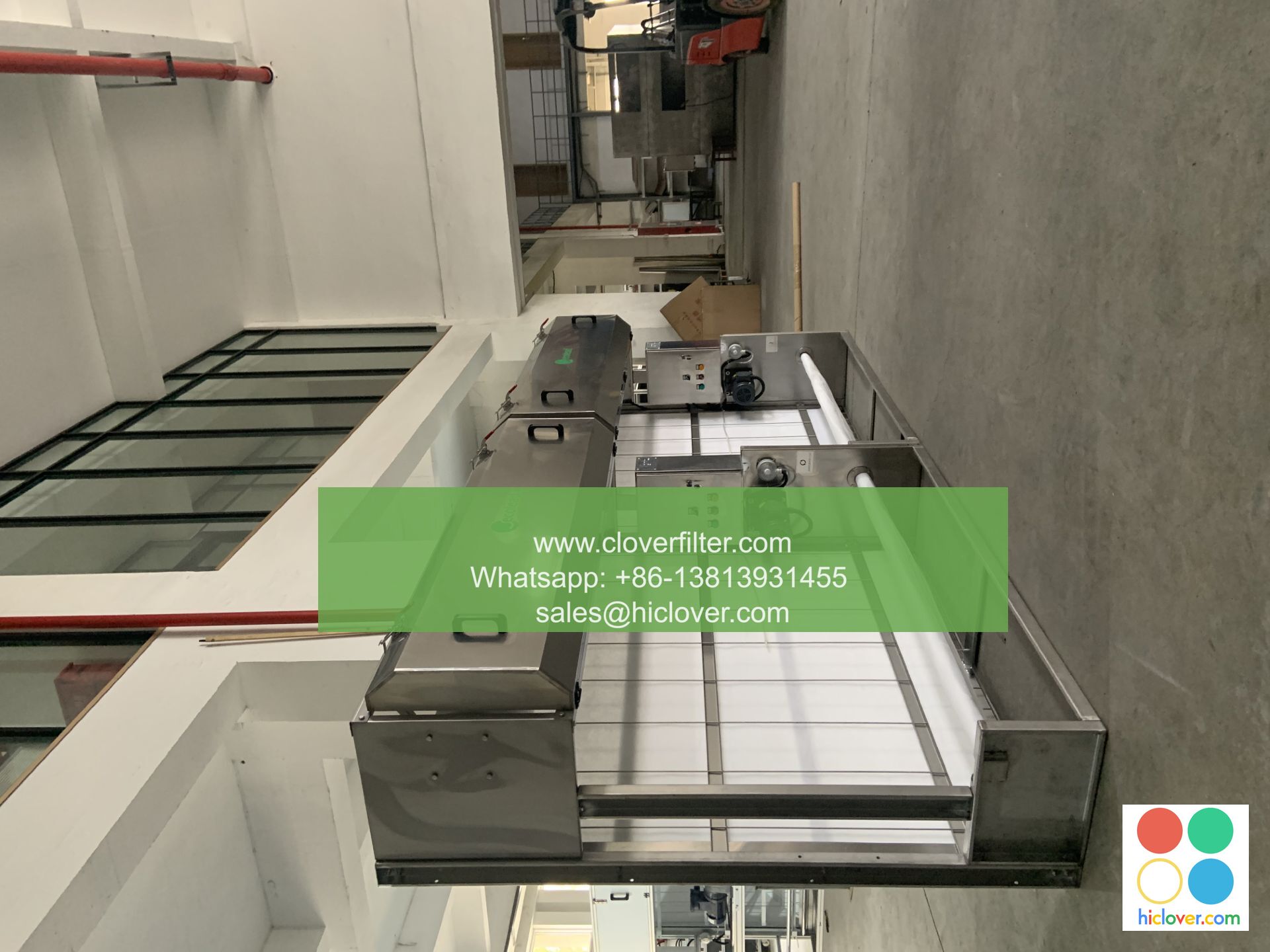
Benefits of Using Air Filters with the Right Dimensions
Using air filters with the right dimensions can have several benefits, including:
* Improved indoor air quality: Air filters can remove airborne pollutants, such as dust, pollen, and other particles, resulting in improved indoor air quality.
* Reduced energy consumption: Air filters can help reduce energy consumption by improving the efficiency of HVAC systems and reducing the need for frequent filter replacements.
* Extended equipment life: Air filters can help extend the life of HVAC equipment by reducing the amount of debris and dust that can accumulate and cause damage.
* Improved health and safety: Air filters can help improve health and safety by removing airborne pollutants that can cause respiratory problems and other health issues.
Conclusion
In conclusion, air filter dimensions play a critical role in boosting indoor air quality. By selecting air filters with the right dimensions, individuals and organizations can improve indoor air quality, reduce energy consumption, and extend equipment life. Whether used in residential, commercial, industrial, or transportation settings, air filters with the right dimensions can have a significant impact on health, safety, and overall well-being. By considering key factors such as MERV rating, air flow rate, and filter media, individuals and organizations can choose the right air filter for their specific needs and enjoy the many benefits of improved indoor air quality. It seems like you didn’t provide a prompt for me to respond to. Could you please give me a topic, question, or task to work with? I’m here to help!
