The Role of Air Filter Ecosystems in Educational Institutions
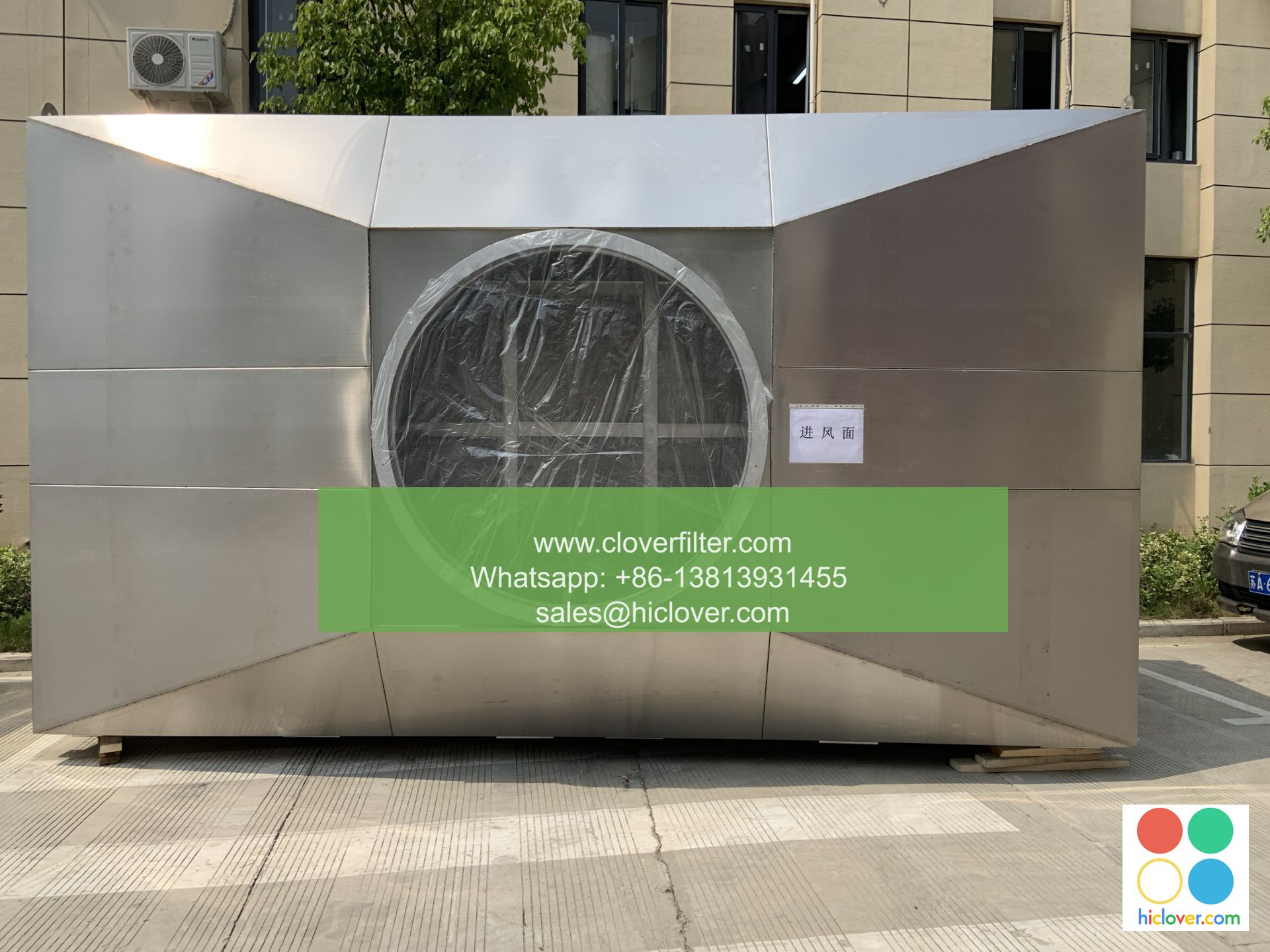
In today’s educational institutions, maintaining a safe and healthy environment for students and staff has become a top priority. One significant component of this effort is the implementation of comprehensive air filter ecosystems. These systems play a crucial role in enhancing indoor air quality (IAQ), delivering numerous benefits that support the educational mission. This article explores the importance and application areas of air filter ecosystems within schools, colleges, and universities.
Understanding Air Filter Ecosystems

An air filter ecosystem consists of various filtration technologies designed to eliminate pollutants, allergens, and harmful particles from the air. These systems are not simply standalone devices; rather, they work in conjunction with the building’s ventilation and HVAC systems to ensure a holistic approach to indoor air purification.
Key Components of Air Filter Ecosystems
- HEPA Filters: High-Efficiency Particulate Air (HEPA) filters are vital in trapping at least 99.97% of airborne particles, including dust, pollen, and pet dander.
- Activated Carbon Filters: These filters address chemical pollutants and odors, trapping volatile organic compounds (VOCs) and ensuring a more pleasant learning environment.
- Ultraviolet (UV) Light Systems: UV systems are effective in reducing microbial contamination, killing bacteria and viruses that can circulate in the air.
- Smart Sensors: Integrated smart technology allows for real-time monitoring of air quality, enabling institutions to adapt their air filtration strategies dynamically.

Application Areas of Air Filter Ecosystems in Educational Institutions
1. Classrooms
Classrooms are the heart of educational institutions, where students and educators spend significant amounts of time. An air filter ecosystem in classrooms helps to reduce the transmission of airborne illnesses, maintains focus by minimizing allergens, and enhances overall learning experiences.
2. Libraries and Study Areas
These quiet spaces are crucial for study and research. High air quality is essential for long hours of concentration. Air filter systems in libraries help to eliminate dust and musty odors, allowing students and staff to focus without distractions.
3. Laboratories
In science classrooms and laboratories, where chemical reactions and experiments occur, air quality becomes especially critical. Specialized air filter ecosystems can mitigate exposure to hazardous chemicals and biological agents, ensuring safety and compliance with health regulations.
4. Athletic Facilities
Indoor gyms and recreational areas can harbor high levels of dust, sweat, and other pollutants. Implementing air filtration systems in these spaces is vital for maintaining a healthy environment, promoting physical well-being, and enhancing performance among students.
5. Dining Halls
In dining areas, air filters work to manage cooking odors and airborne bacteria, ensuring that students and staff enjoy their meals in a clean environment. This contributes to a better overall dining experience and can promote healthier eating habits.
Benefits of Air Filter Ecosystems
Enhanced Health and Safety
One of the most significant advantages of implementing air filter ecosystems in educational institutions is the health benefits. Improved air quality can lead to reduced absenteeism due to illness, creating a healthier community overall.
Improved Academic Performance
Studies have shown that better air quality can improve cognitive function and, consequently, academic performance. Students are more likely to excel in optimized environments free from airborne distractions.
Energy Efficiency
Modern air filter ecosystems can be designed for energy efficiency, reducing the operational costs associated with heating and cooling while maintaining optimal air quality. This ensures that educational institutions can balance budget constraints and environmental responsibilities.
Compliance and Sustainability
Educational institutions face strict regulations regarding air quality. Implementing advanced air filter systems helps institutions comply with health standards while demonstrating a commitment to sustainability and environmental best practices.
Conclusion
In summary, the role of air filter ecosystems in educational institutions is multifaceted and of paramount importance. By focusing on air quality enhancements across classrooms, libraries, laboratories, and more, schools and universities ensure the health, safety, and productivity of their students and staff. As educational institutions continue to prioritize the well-being of their communities, investing in air filter ecosystems will remain a vital component of creating a conducive learning environment.
For further information on effective strategies to improve air quality, educational institutions should collaborate with HVAC professionals and air quality experts to tailor solutions that meet their specific needs.
It looks like you entered “Prompt,” but could you please provide more details or clarify what you would like assistance with? Whether you’re looking for a writing prompt, a topic for discussion, or something else entirely, I’m here to help!
