The Role of Air Filter Extensions in Reducing Radon Gas
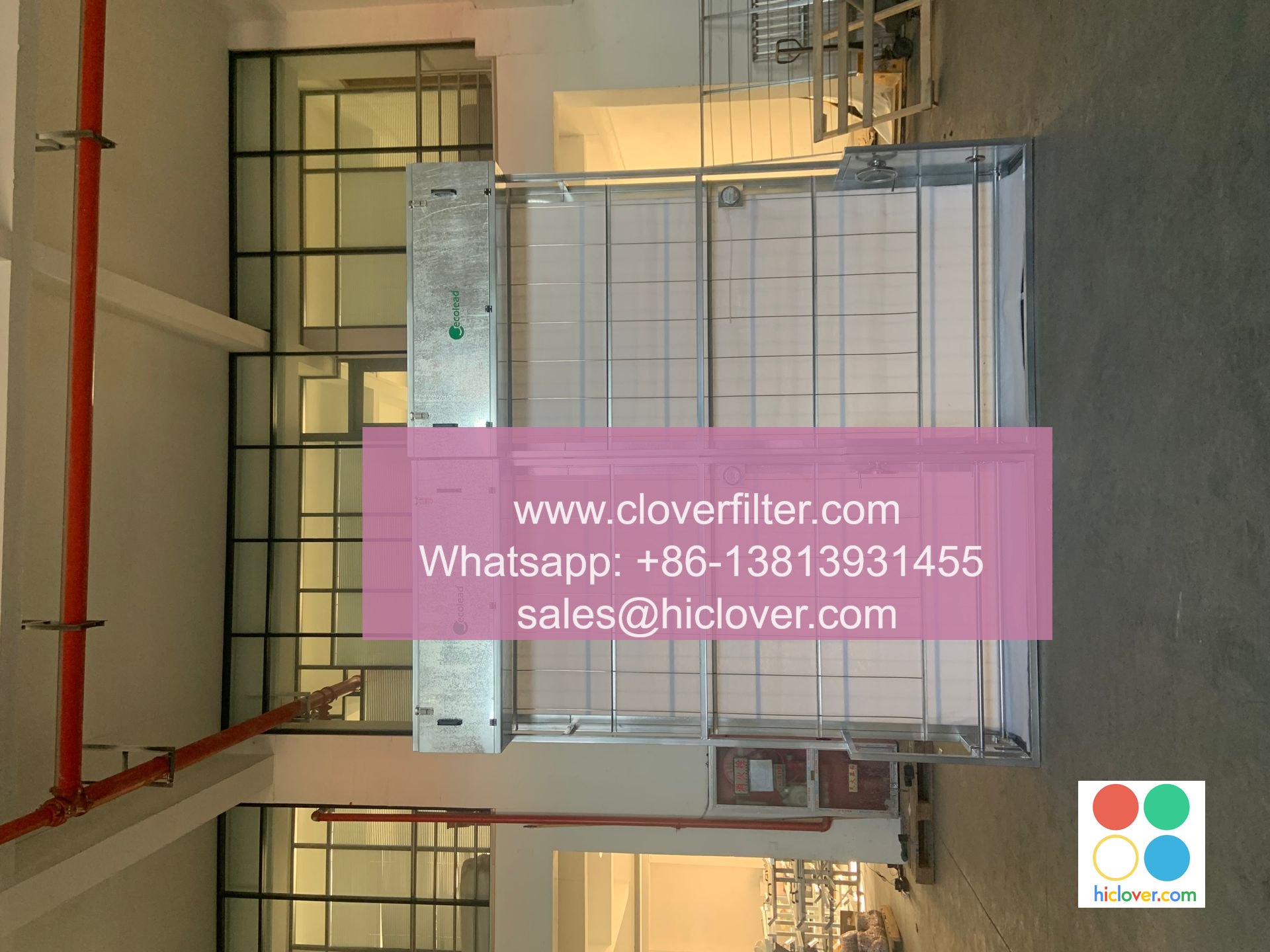
Indoor air quality is a significant aspect of health and safety, especially in homes and buildings that may be susceptible to radon gas, a colorless, odorless radioactive gas that can lead to serious health risks. In this article, we will explore the role of air filter extensions in reducing radon gas levels and enhancing air quality in various environments.
Understanding Radon Gas

Radon is produced from the natural decay of uranium found in soil, rock, and water. It can seep into homes through cracks in floors, walls, and even through water supply systems. Long-term exposure to elevated radon levels is the second leading cause of lung cancer after smoking. Therefore, understanding how to mitigate radon exposure is vital for maintaining a safe living environment.
What Are Air Filter Extensions?
Air filter extensions are enhancements designed to improve the efficiency of air purification systems. These extensions can be fitted into existing heating, ventilation, and air conditioning (HVAC) systems or standalone air purifiers, resulting in better filtration of indoor air contaminants, including radon progeny.
The Mechanism of Action
Most standard air filters are effective at capturing larger particles like dust and pollen, but radon gas itself is a smaller gaseous molecule. This is where air filter extensions become essential; they often include specialized filters like HEPA (High-Efficiency Particulate Air) filters or activated carbon filters that can capture finer particles, including radon decay products.

How Air Filter Extensions Reduce Radon Levels
- Increased Filtration Efficiency: Air filter extensions greatly improve the overall filtration process, trapping radon decay products that can be inhaled.
- Activated Carbon Filtration: Extensions equipped with activated carbon can adsorb radon gases, reducing their presence in the air.
- Preventing Build-Up: Continuous air circulation and filtration help prevent the accumulation of radon gas indoors.
Application Areas for Air Filter Extensions
Air filter extensions can be beneficial in various settings, including:
Residential Properties
In homes, especially those located in radon-prone areas, air filter extensions can significantly reduce indoor radon levels, protecting families from long-term health risks.
Commercial Buildings
Businesses and office spaces can use these extensions to maintain a healthy indoor environment for employees, thus improving workplace productivity and well-being.
Schools and Educational Institutions
The health of students and staff is paramount, and installing air filter extensions can help in creating a safe learning environment by minimizing radon exposure.
Healthcare Facilities
Hospitals and clinics can benefit from cleaner air, ensuring that patients and healthcare workers alike are safeguarded against the potential hazards of radon gas.
Conclusion
The danger of radon gas cannot be understated, but the implementation of air filter extensions offers a proactive solution for reducing its levels in various indoor environments. By investing in these advanced filtration systems, we can work towards ensuring healthier spaces for living, working, and learning.
For those concerned about radon levels in their homes or workplaces, it is worth consulting with a qualified professional to explore the best air filter extensions suited to their specific needs.
Sure! What kind of prompt are you looking for? It could be for writing, brainstorming ideas, creative storytelling, or something else entirely. Let me know your preferences!
