The Role of Air Filter Integrations in Maintaining Healthy Indoor Environments
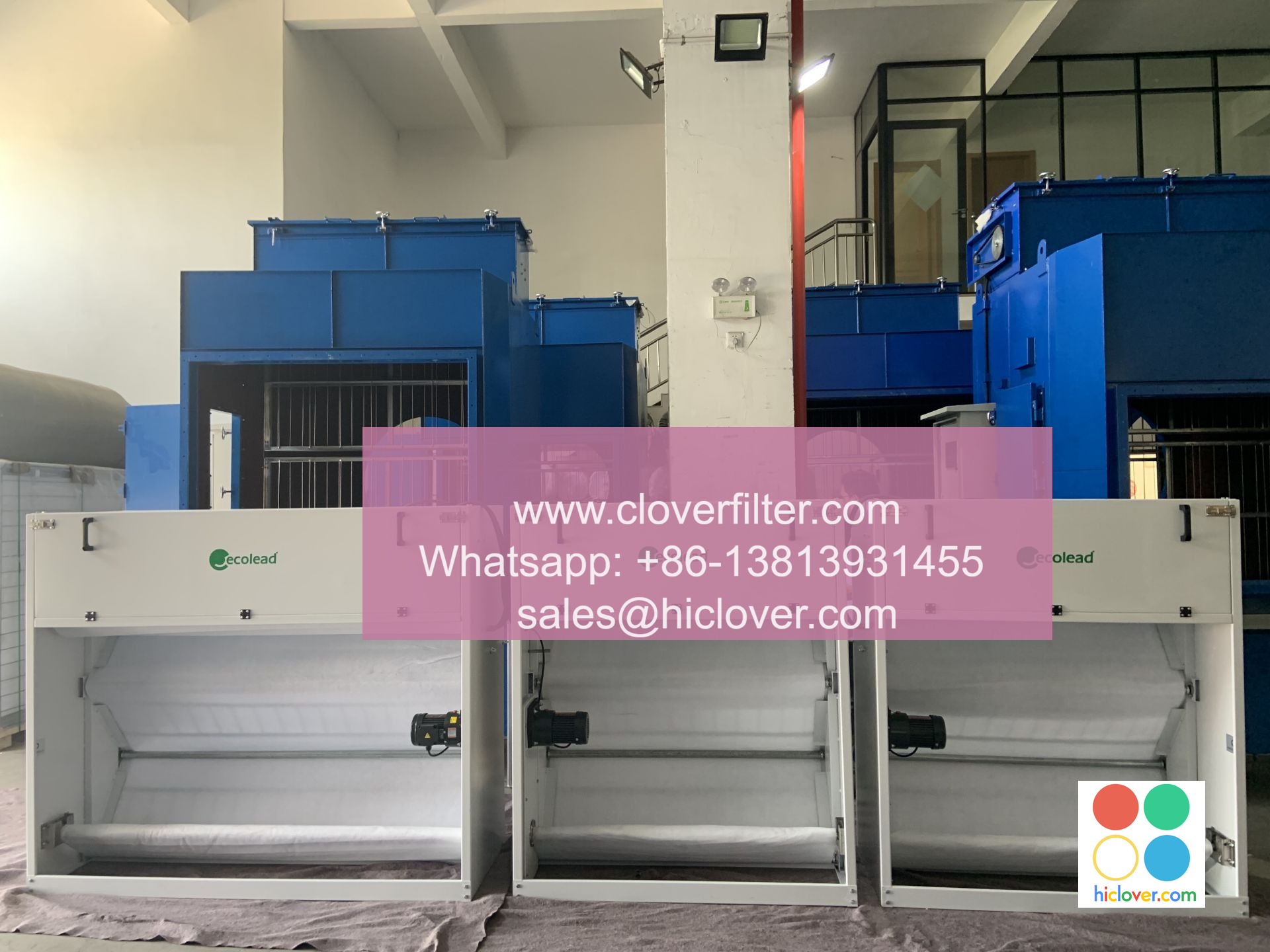
In today’s fast-paced world, ensuring a healthy indoor environment has become more critical than ever. With increasing pollutant levels and airborne allergens, air filter integrations play a significant role in enhancing indoor air quality (IAQ). This article explores the various functions of air filters, their applications, and their contributions to a safe and healthy living space.
Understanding Air Filter Integrations

Air filter integrations involve the incorporation of filtration systems in various appliances and setups to minimize airborne contaminants. These systems use a variety of filtering technologies, including HEPA (High Efficiency Particulate Air) filters, activated carbon filters, and UV-C light, to trap and neutralize harmful particles.
Importance of Healthy Indoor Environments
The quality of indoor air affects not only the comfort of the occupants but also their health. Poor indoor air quality can lead to respiratory issues, allergic reactions, and chronic illnesses. Therefore, integrating effective air filtering solutions is vital for:
- Reducing allergens such as dust mites, pollen, and mold spores
- Minimizing harmful substances including VOCs (Volatile Organic Compounds)
- Decreasing the risk of airborne diseases by trapping bacteria and viruses

Key Applications of Air Filter Integrations
Air filter integrations can be employed in various settings to ensure optimal indoor air quality. Some key application areas include:
Residential Spaces
In homes, air filter integrations are found in HVAC systems, portable air purifiers, and even cleaning appliances. This ensures that families breathe cleaner air, which is especially crucial for those with allergies or respiratory conditions.
Commercial Buildings
In offices and commercial spaces, air filters not only enhance employee comfort but also improve productivity. Businesses are increasingly investing in air quality monitoring systems coupled with air filtration to create healthier workspaces.
Healthcare Facilities
In hospitals and clinics, maintaining high air quality standards is vital. Air filter integrations are essential for pathogen control, reducing the risk of healthcare-associated infections (HAIs) and providing a safe space for patients and healthcare workers alike.
Industrial Environments
Manufacturing and industrial facilities often have high levels of dust and chemical exposure. Air filtration systems are integrated to remove particulate matter, ensuring compliance with health and safety regulations while protecting the workforce from harmful substances.
Technological Advancements in Air Filtration
Recent advancements have significantly improved the efficacy of air filter integrations. Smart filtering systems now utilize IoT (Internet of Things) technology to provide real-time monitoring and management of indoor air quality. These systems can automatically adjust filter performance based on pollution levels, delivering tailored air quality solutions.
Conclusion
Incorporating air filter integrations is a fundamental aspect of maintaining healthy indoor environments across various application areas. As awareness of indoor air quality continues to grow, the demand for effective air filtration solutions will likely rise. By investing in advanced air filtering technologies, we can protect our health and improve our overall well-being.
It seems like you might want a prompt for writing or creating something specific. Could you please clarify what you’re looking for? Are you interested in a writing prompt, an art idea, a coding challenge, or something else?
