The Role of Air Filter Integrations in Reducing Indoor Air Pollution
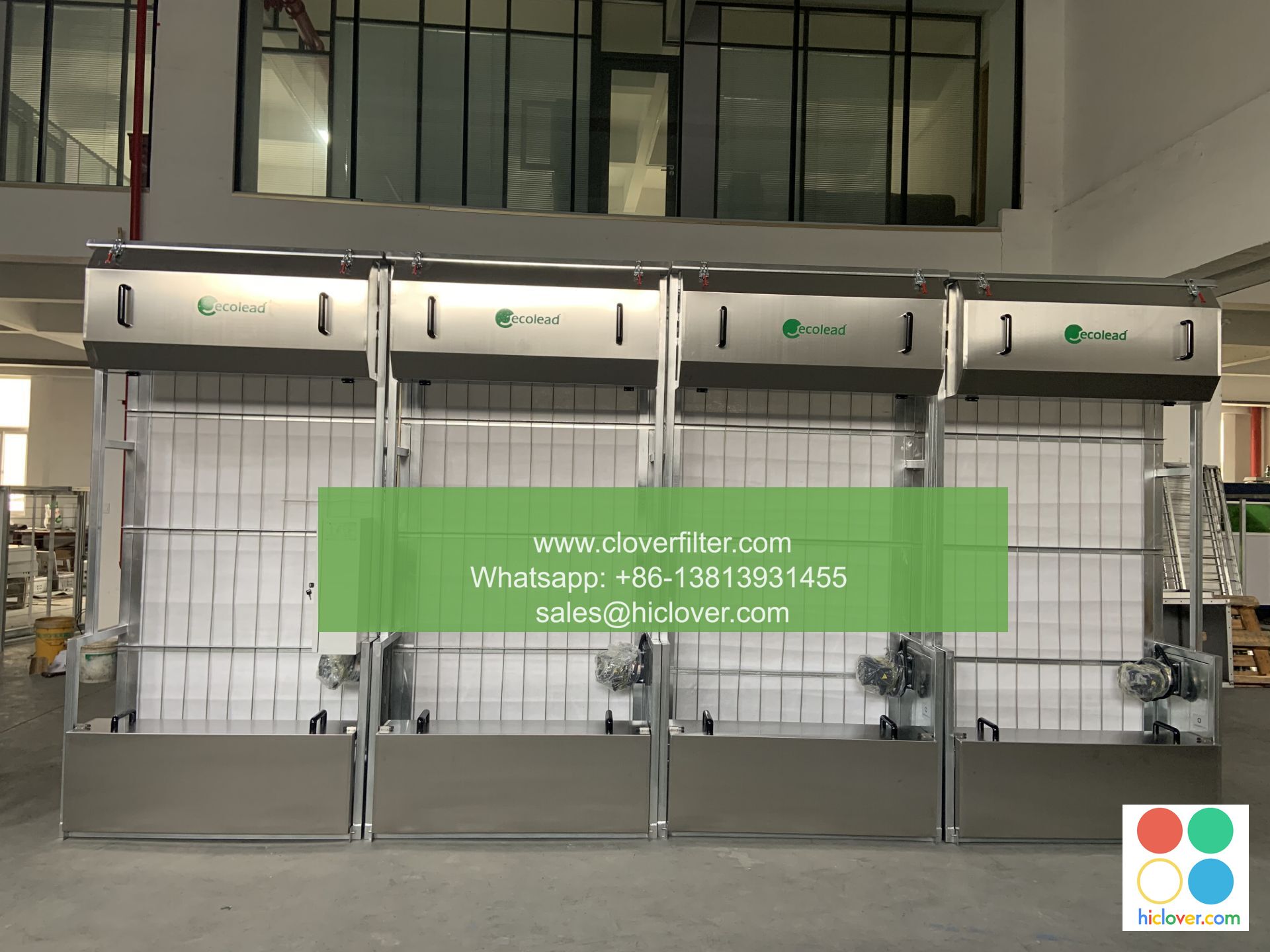
Indoor air pollution poses significant health risks, underscoring the need for effective solutions. Air filter integrations have emerged as a crucial component in improving indoor air quality across a variety of settings. From residential homes to commercial buildings, the implementation of advanced air filtration technologies has become essential for combating pollutants that linger indoors.
Understanding Indoor Air Pollution
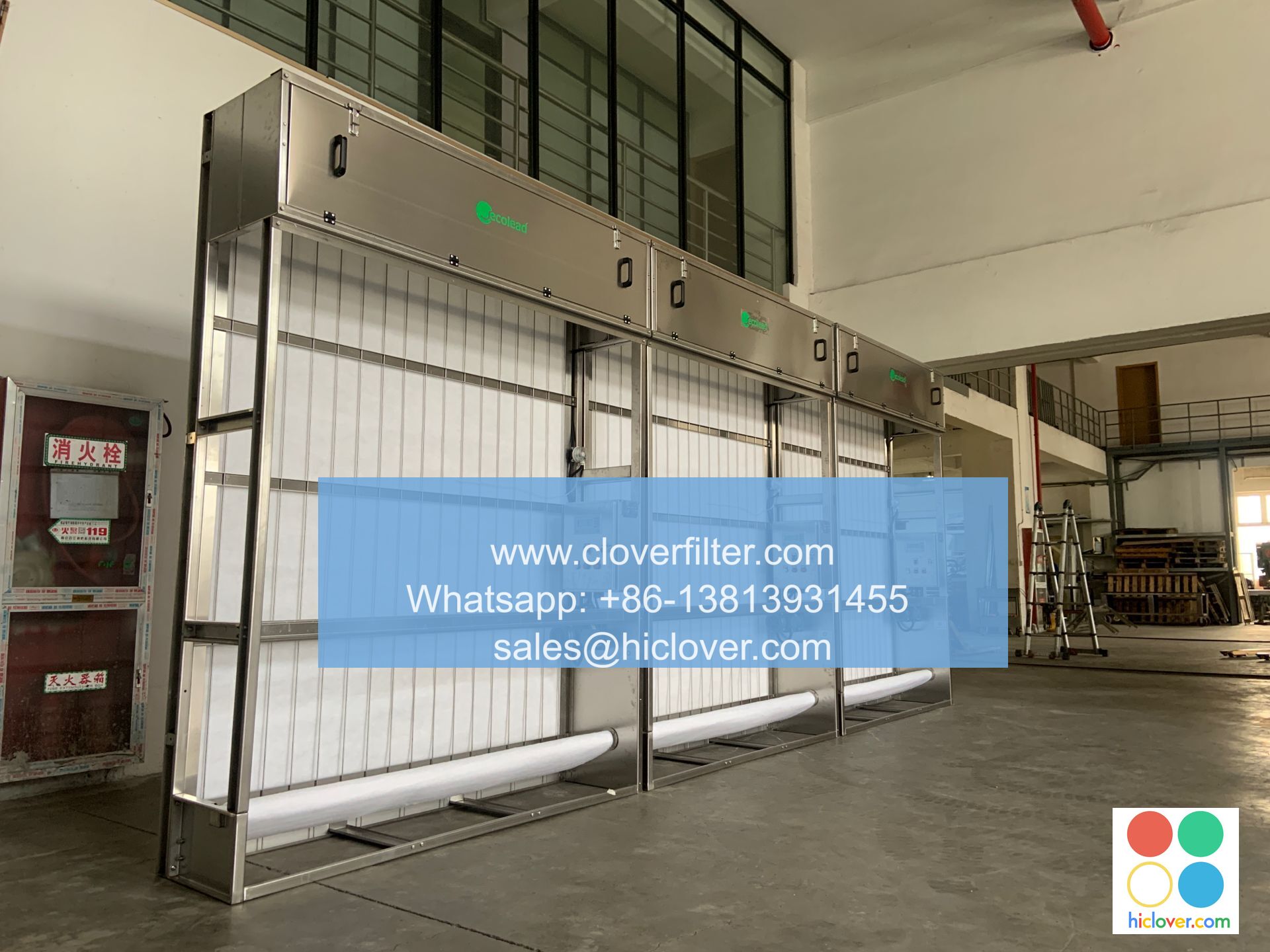
Indoor air pollution is a complex mixture of airborne contaminants, including particulate matter, volatile organic compounds (VOCs), and allergens. Common sources include cooking, heating, cleaning products, and even mold. As people spend up to 90% of their time indoors, addressing these pollutants is paramount for maintaining health and well-being.
The Importance of Air Filter Integrations
Air filter integrations serve as the first line of defense against indoor air pollutants. By utilizing advanced filtration technologies—such as HEPA (High-Efficiency Particulate Air) filters, activated carbon filters, and electrostatic precipitators—these systems significantly reduce the concentration of harmful particles and gases in the air.
How Air Filters Work
- HEPA Filters: Capturing 99.97% of particles as small as 0.3 microns, HEPA filters are ideal for trapping allergens like dust mites, pollen, and pet dander.
- Activated Carbon Filters: Designed to absorb harmful chemicals and odors, these filters effectively reduce VOCs and other gaseous pollutants.
- UV-C Light Integration: Some air filtration systems include UV-C light technology to kill bacteria and viruses, further enhancing air quality.

Application Areas of Air Filter Integrations
The versatility of air filter integrations has led to their application in various sectors:
1. Residential Spaces
In homes, air filter integrations are crucial for protecting families from allergens and airborne diseases. Smart air purifiers with sensors can monitor air quality and operate automatically, ensuring optimal filtration at all times.
2. Commercial Buildings
Offices and commercial facilities utilize centralized HVAC systems integrated with air filtration solutions to improve employee health and productivity. Cleaner air has been associated with lower absenteeism and improved focus.
3. Healthcare Facilities
In hospitals and clinics, maintaining sterile air quality is critical. Advanced air filter systems help reduce infection rates by eliminating pathogens and providing a safe environment for patients and healthcare workers alike.
4. Educational Institutions
Schools and universities are now investing in air filtration technology to promote student health. Improved air quality directly correlates with enhanced concentration and academic performance.
The Future of Air Filter Integrations
As technology advances, the future of air filter integrations looks promising. Innovations in IoT (Internet of Things) will allow for smarter air filtration systems that can adapt to real-time air quality data. Furthermore, ongoing research will likely introduce new materials and techniques to enhance the effectiveness of air filters.
Conclusion
In summary, air filter integrations play a vital role in reducing indoor air pollution across various application areas. By utilizing advanced filtration technologies, these systems provide cleaner air, enhancing health and comfort in residences, workplaces, healthcare settings, and educational institutions. As we become more aware of indoor air quality’s impact on health, the demand for effective air filter systems will undoubtedly continue to rise.
It seems like your message is incomplete. Could you please provide more details or clarify what you need help with? Whether it’s a writing prompt, a question, or something else, I’m here to assist!
