The Role of Air Filter Quality Control in Laboratories
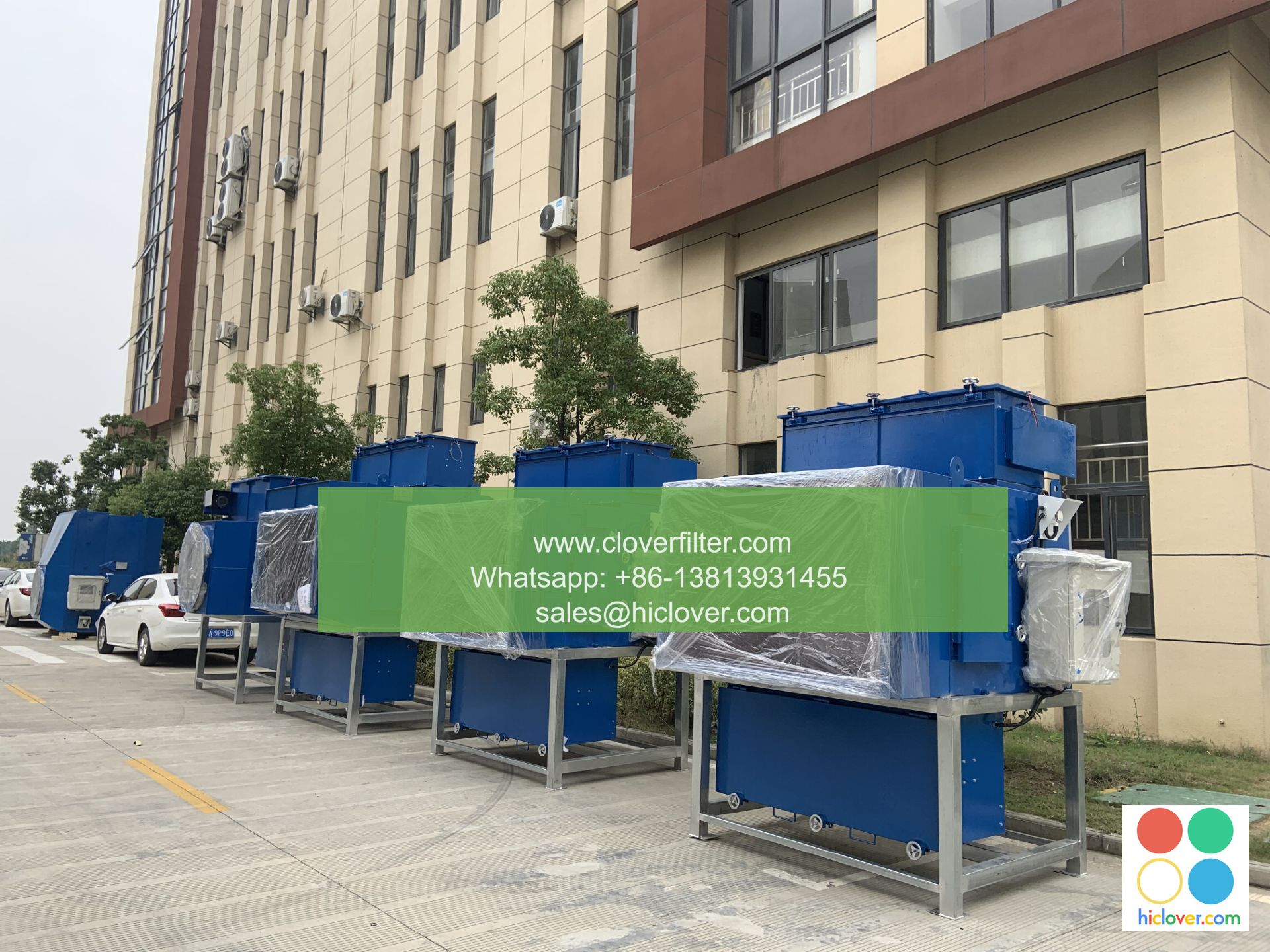
Air filter quality control plays a crucial role in maintaining a safe and healthy environment in laboratories. Laboratory air quality is critical for ensuring the accuracy and reliability of experimental results, as well as protecting the health and well-being of laboratory personnel. In this article, we will discuss the importance of HEPA filter certification and air filtration systems in laboratories, highlighting various application areas and key considerations for indoor air quality (IAQ) management.
Importance of Air Filter Quality Control in Laboratories
Laboratories handle a wide range of chemicals, biological agents, and other hazardous materials, which can release airborne contaminants that pose risks to human health and the environment. Effective air filtration systems are essential for removing these contaminants and maintaining a safe and healthy indoor environment. Air filter quality control involves the selection, installation, and maintenance of high-quality air filters that meet strict standards for particulate removal and gas phase filtration.
Application Areas for Air Filter Quality Control
Air filter quality control is critical in various laboratory settings, including:
* Biological laboratories: Handling of biological agents, such as bacteria, viruses, and other microorganisms, requires high-level biosafety cabinets and HEPA filter certification to prevent cross-contamination and exposure to infectious agents.
* Chemical laboratories: Chemical handling and experimentation require effective chemical fume hoods and air scrubbers to remove hazardous chemicals and particulate matter from the air.
* Pharmaceutical laboratories: Pharmaceutical manufacturing and testing require high-level cleanroom technology and air filtration systems to maintain strict standards for particle control and contamination prevention.
Key Considerations for Air Filter Quality Control
When selecting and installing air filters in laboratories, several key considerations must be taken into account, including:
* Filter efficiency: The ability of the air filter to remove particulate matter and gases from the air, measured by standards such as MERV rating and HEPA filter certification.
* Filter maintenance: Regular maintenance and replacement of air filters to ensure optimal performance and prevent deterioration of air quality.
* Airflow rate: The rate at which air is filtered and recirculated, which can impact the effectiveness of the air filtration system and the overall indoor air quality (IAQ).
* System design: The design of the air filtration system, including the selection of components, such as fans, ducts, and air handling units, which can impact the overall performance and efficiency of the system.

Best Practices for Air Filter Quality Control
To ensure effective air filter quality control in laboratories, the following best practices should be followed:
* Regular filter maintenance: Regularly inspect and replace air filters to prevent deterioration of air quality and ensure optimal performance.
* Filter certification: Ensure that air filters meet strict standards for HEPA filter certification and particulate removal.
* Air quality monitoring: Regularly monitor indoor air quality to detect any changes or deviations from acceptable levels.
* Training and education: Provide laboratory personnel with training and education on the importance of air filter quality control and the proper use and maintenance of air filtration systems.
By following these best practices and considering key factors such as filter efficiency, filter maintenance, and system design, laboratories can ensure effective air filter quality control and maintain a safe and healthy environment for personnel and experimental activities. It seems like you’re ready to start a conversation or ask a question, but you haven’t provided a specific prompt yet. Could you please provide more details or clarify what you’re looking for? Whether it’s a question, a topic to discuss, or something else entirely, I’m here to help!
