The Role of Air Filter Quality Control in Soundproofed Rooms
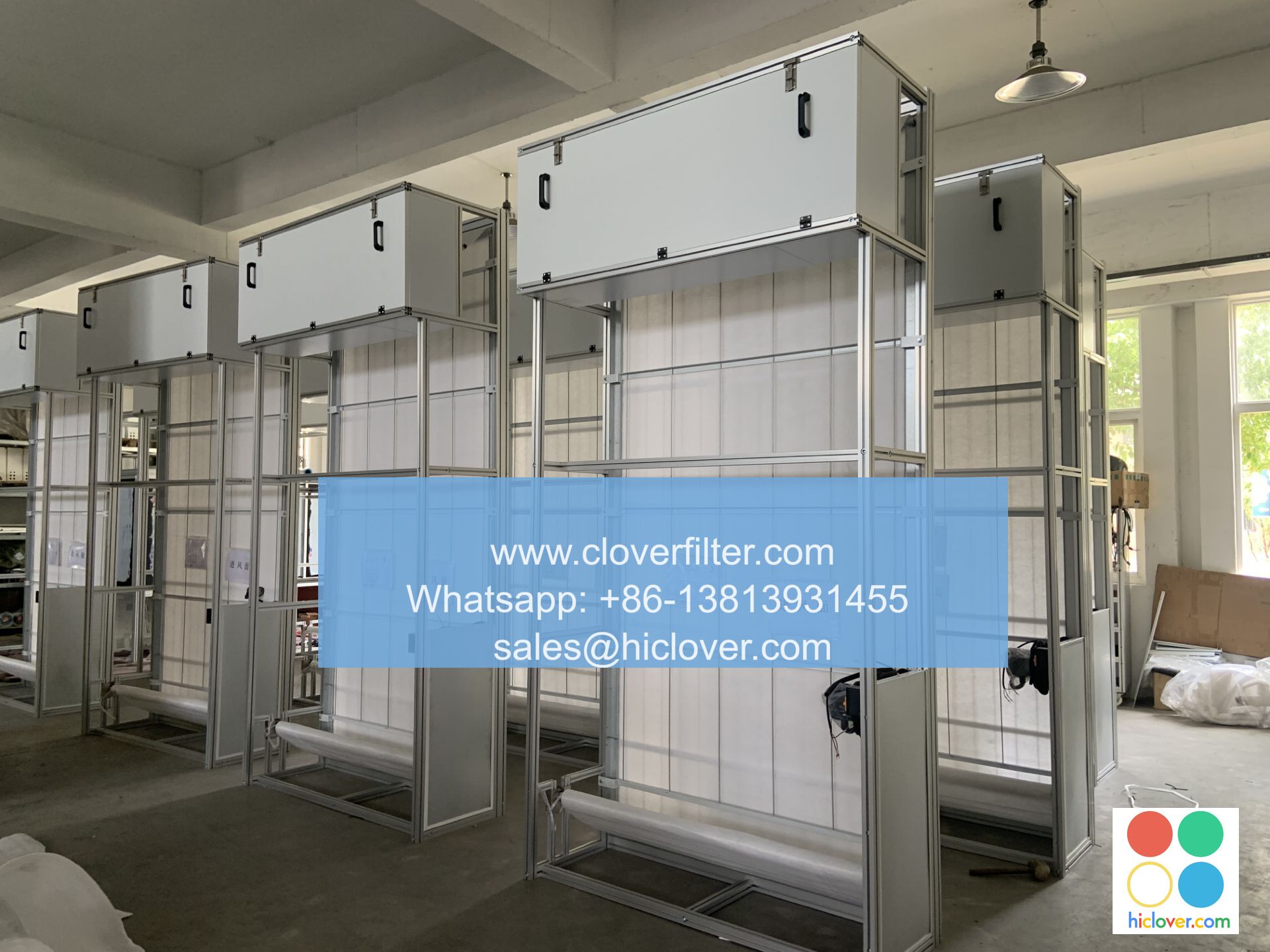
Air filter quality control plays a vital role in maintaining the acoustic integrity and overall performance of soundproofed rooms. These specialized rooms, designed to minimize external noise and prevent sound leakage, rely heavily on high-quality air filters to ensure optimal sound isolation and indoor air quality. In this article, we will delve into the importance of air filter quality control in soundproofed rooms, highlighting various application areas, such as home theaters, recording studios, and concert halls.
Understanding the Importance of Air Filter Quality Control
Air filter quality control is essential in soundproofed rooms as it directly affects the room’s ability to maintain a consistent and noise-free environment. Poor air filter quality can lead to a range of issues, including reduced sound isolation, increased background noise, and compromised indoor air quality. High-quality air filters, on the other hand, help to minimize airborne noise and vibrations, ensuring that the room remains a quiet and stable space for sound-sensitive activities.
Application Areas: Home Theaters, Recording Studios, and Concert Halls
Air filter quality control is crucial in various application areas, including:
* Home theaters: High-quality air filters help to create an immersive audio experience by minimizing background noise and ensuring optimal sound isolation.
* Recording studios: Accurate sound reproduction and low noise floors are essential in recording studios, making high-quality air filters a critical component of the room’s design.
* Concert halls: Proper air filter quality control helps to maintain a consistent and controlled acoustic environment, ensuring that the audience experiences the best possible sound quality.
Key Considerations for Air Filter Quality Control
When it comes to air filter quality control in soundproofed rooms, there are several key considerations to keep in mind:
* Filtration efficiency: High-quality air filters should have a high minimum efficiency reporting value (MERV) rating to ensure effective removal of airborne particles and noise.
* Airflow rate: The air filter should be designed to handle the required airflow rate without compromising sound isolation or indoor air quality.
* Pressure drop: A low pressure drop is essential to minimize airborne noise and ensure optimal sound isolation.

Best Practices for Maintaining Air Filter Quality Control
To ensure optimal air filter quality control in soundproofed rooms, follow these best practices:
* Regular maintenance: Regularly inspect and replace air filters to maintain optimal performance and prevent filter degradation.
* Proper installation: Ensure that air filters are properly installed to prevent air leaks and maintain optimal sound isolation.
* Monitoring and testing: Continuously monitor and test air filter performance to ensure that it meets the required standards for sound isolation and indoor air quality.
In conclusion, air filter quality control plays a vital role in maintaining the acoustic integrity and overall performance of soundproofed rooms. By understanding the importance of air filter quality control and following best practices for maintenance and installation, individuals can ensure optimal sound isolation and indoor air quality in various application areas, including home theaters, recording studios, and concert halls. It seems like you didn’t include a prompt. Could you please provide more details or specify what you would like to know or discuss? I’m here to help with any questions or topics you have in mind.
