The Role of Air Filter Shapes in Industrial Applications
Key Takeaways:
- Understanding different air filter shapes is crucial for optimizing filtration efficiency.
- Automatic Roll Air Filters provide advanced solutions for industrial HVAC systems.
- Poor filter selection can lead to increased energy costs and maintenance issues.
- The right filter shape enhances particulate control and compliance with industry standards.
- Proper installation locations like fresh air intake can significantly impact air quality.
- Different filter types serve specific needs: Automatic Roll vs. Bag vs. Panel vs. V-bank.
- Continuous monitoring of differential pressure is essential for effective maintenance.
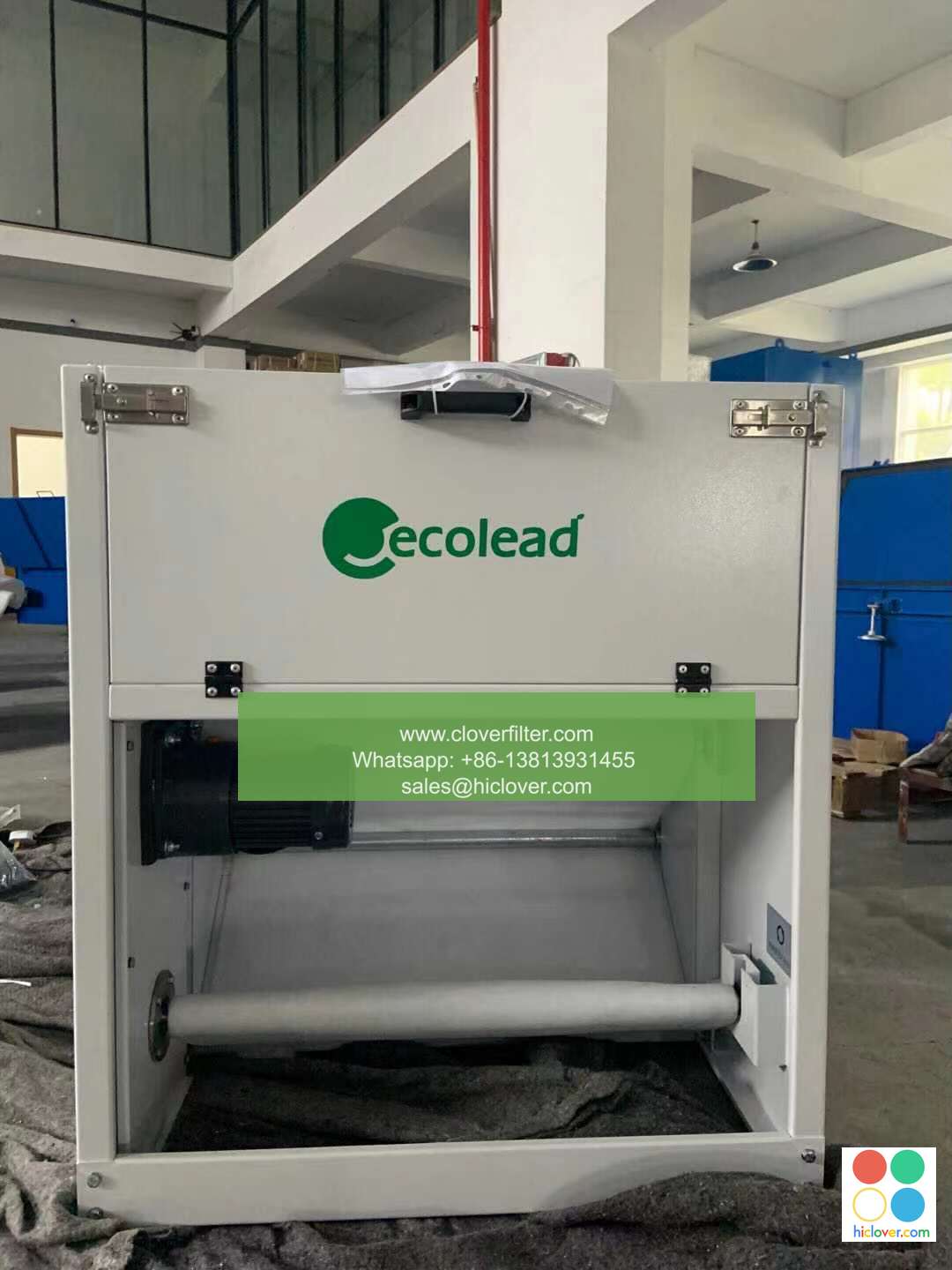
- Roll Media Advance Logic: As the filter media becomes saturated with particulate matter, an internal mechanism advances the media to a clean section, maintaining airflow without manual intervention.
- Differential Pressure Trigger: This feature continuously monitors pressure to determine when to advance the media, ensuring efficiency and preventing system strain.
- Timer Mode: The unit can be programmed to advance automatically at set intervals, regardless of pressure readings, which helps in preemptively addressing potential blockages.
- Airflow Range: Establish the ventilation needs for the space.
- Face Velocity: Determine optimal flow rates based on application specifications.
- Media Width/Length: Select dimensions compatible with existing systems.
- Frame Size: Ensure that the frame meets the specifications of the installation location.
- Control Options: Options may include manual or automatic controls depending on operational demands.
- Power Supply: Ensure compatibility with available electrical systems.
- Installation Location: Identify whether the filter will be placed at fresh air intakes, returns, or within specific processes.
- Choosing the wrong filter type for specific applications.
- Overlooking the importance of airflow needs.
- Ignoring pressure drop impacts on system efficiency.
- Not accounting for maintenance frequency and accessibility.
- Failing to consider filter frame compatibility.
- Neglecting the relevance of the installation location for optimal performance.
- Skipping the analysis of lifecycle costs versus initial purchase price.
-
Data Center: A data center implemented Automatic Roll Air Filters to maintain consistent temperature and humidity levels while ensuring particulate control. This proactive filtration solution led to a 20% reduction in energy costs.
-
Battery Factory: In a lithium battery manufacturing facility, the Automatic Roll Air Filter helped in controlling hazardous particulates, impacting both air quality and worker safety. The efficient media replacement mechanism reduced downtime significantly.
-
Paint Shop: In a commercial paint booth, using Automatic Roll Air Filters improved air quality while enhancing the visibility of painted surfaces. The filters expertly captured overspray, which reduced cleanup time and boosted productivity.
-
Textile/Steel/Cement Plant: These facilities benefited from tailored filtration solutions that decreased particulate contamination. By using CloverFilter’s Automatic Roll Air Filters, they were able to mitigate air quality issues while staying within compliance frameworks without excessive maintenance.

Understanding Air Filter Shapes

Air filter shapes play a pivotal role in determining efficiency and applicability within various industrial settings. From simple panel designs to complex roll filters, each shape caters to different airflow requirements and particulate control needs. For instance, the Automatic Roll Air Filter is engineered to simplify maintenance and enhance performance in HVAC systems. Its unique structure allows it to adapt effectively to changing air volumes, ensuring that facilities can operate smoothly while maintaining a high standard of air quality.
What is an Automatic Roll Air Filter?
An Automatic Roll Air Filter is designed to streamline air filtration processes in large industrial and commercial environments. It features a roll media advancement logic coupled with a differential pressure trigger that operates automatically. When the filter starts to clog, differential pressure changes activate the media to advance, ensuring continuous airflow and optimal performance. This technology is instrumental in applications involving fresh air intakes and air handling units (AHUs), where consistent air quality is essential for operations.
How Does an Automatic Roll Air Filter Work?
The Automatic Roll Air Filter uses a sophisticated combination of features that enhance its functionality:
This design not only reduces maintenance requirements but also helps in lowering operational costs by optimizing energy use and enhancing air quality.
Selection Guide for Automatic Roll Air Filters
Choosing the right Automatic Roll Air Filter involves various considerations, including:
Comparing Filter Types
| Filter Type | Best Use Case | Maintenance | Pressure Drop Behavior | Operating Cost | Typical Risk/Downside |
|---|---|---|---|---|---|
| Automatic Roll Air Filter | High-traffic industrial environments | Low | Low to moderate | Moderate | Initial cost higher |
| Bag Filter | General air filtration | Moderate | Moderate to high | Low | Clogging and maintenance |
| Panel Filter | Residential and light commercial | Low | Moderate | Low | Lower efficiency |
| V-bank | Optimal for high dirt loads | High | High | High | Frequent replacements |
Common Mistakes & How to Avoid Them
When selecting air filters, procurement managers often encounter pitfalls. Here are some common mistakes to watch for:
Real-World Scenarios
FAQ Section
Q1: What is the importance of air filter shapes in industrial applications?
A1: Different air filter shapes optimize airflow and filtration efficiency, crucial for maintaining quality in industrial processes.
Q2: How does the Automatic Roll Air Filter compare to bag filters?
A2: The Automatic Roll Air Filter offers lower maintenance needs and more efficient performance compared to traditional bag filters.
Q3: Where can I install an Automatic Roll Air Filter?
A3: They are ideal for fresh air intakes, return air applications, and process-specific installations in industrial setups.
Q4: What is differential pressure in air filters?
A4: Differential pressure measures the resistance to airflow across the filter; it indicates when the filter needs maintenance.
Q5: How often should I change the filter media in Automatic Roll Air Filters?
A5: The media advances automatically, but the frequency of complete replacements will depend on operational specifics and particulate load.
Q6: What are MERV ratings?
A6: MERV ratings indicate the filtration efficiency of air filters, impacting air quality in industrial settings.
Conclusion
Air filter shapes significantly influence the optimization of industrial HVAC systems. By selecting the right filter, such as the Automatic Roll Air Filter from CloverFilter, facility managers can ensure effective particulate control, reduce maintenance, and enhance energy efficiency. Proper selection and installation lead to better air quality, compliance with industry standards, and considerable cost savings.
For tailored solutions to meet your industrial air filtration needs, contact CloverFilter at CloverFilter Contact Page.
Meta Description: Explore the importance of air filter shapes in industrial applications, focusing on Automatic Roll Air Filters for enhanced efficiency and compliance.
It seems like you entered just “Prompt.” Could you please provide more details or clarify what specific prompt or topic you’re interested in? I’m here to help!
