The Role of Air Filter Societies in Promoting Sustainable Urban Development
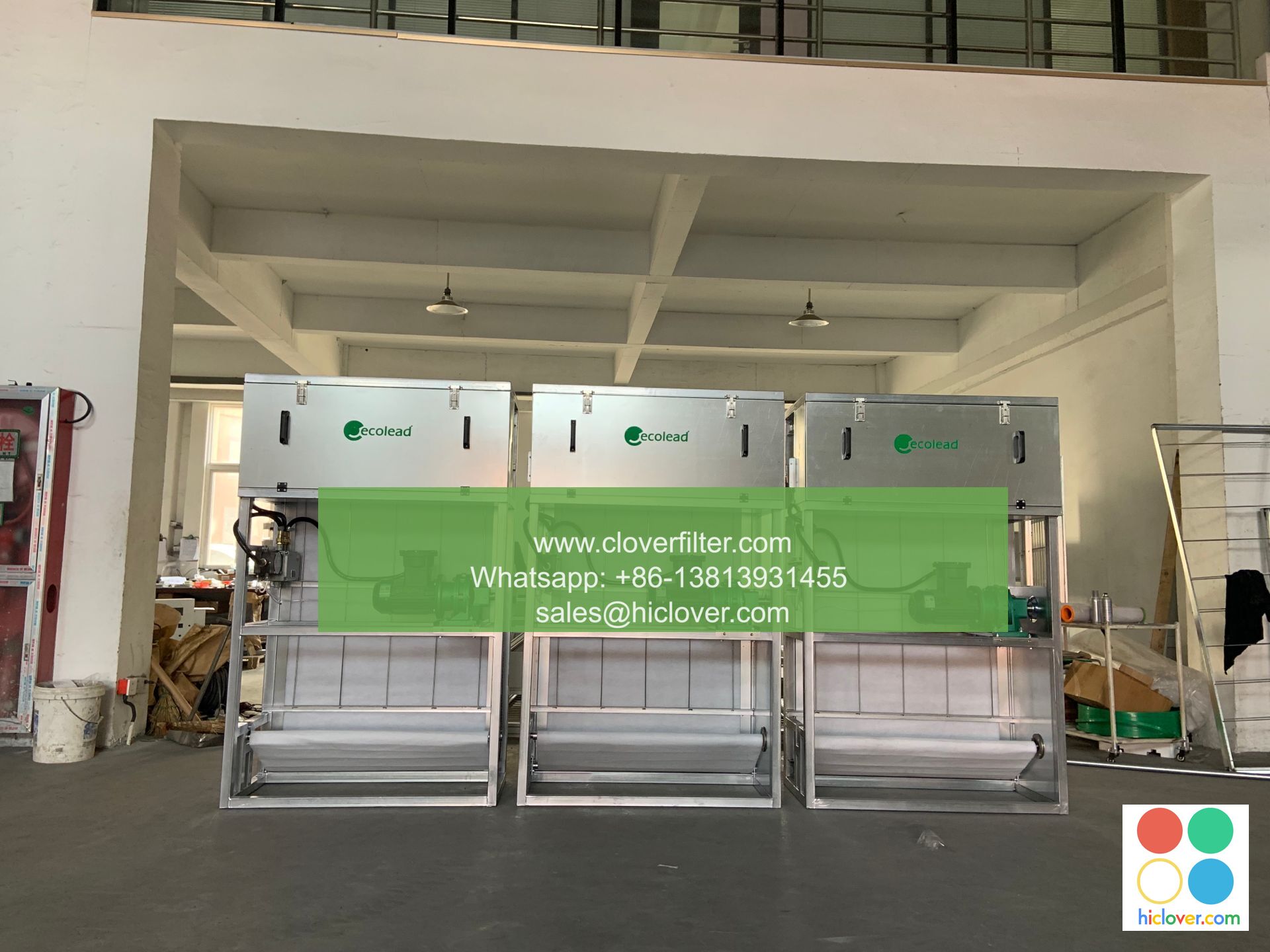
Amid the pressing challenges of urbanization, air quality has emerged as a pivotal concern for sustainable development. Air filter societies, organizations dedicated to improving air quality through technology, education, and community involvement, play a crucial role in the evolution of sustainable urban spaces.
Understanding Air Filter Societies
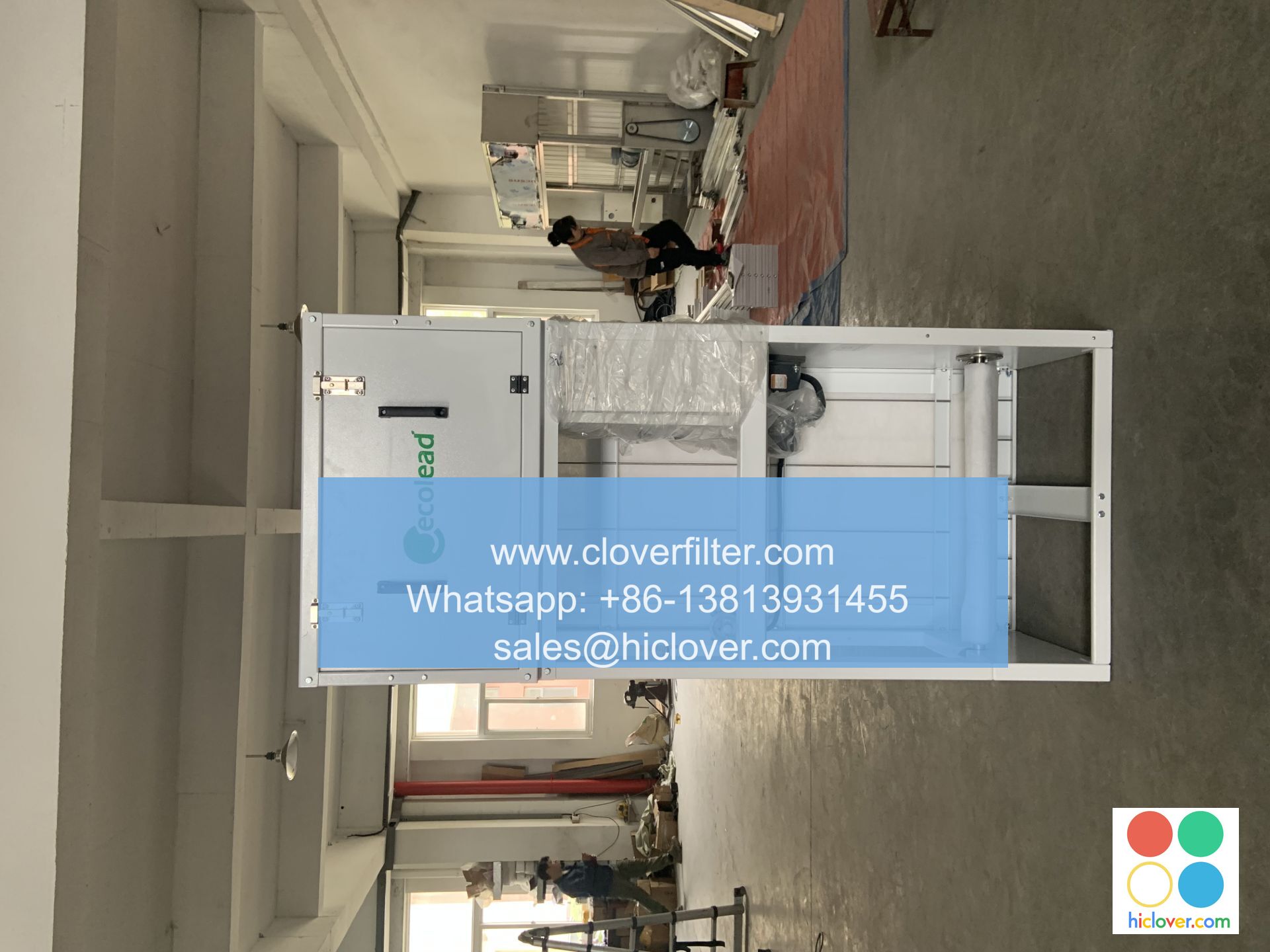
Air filter societies incorporate a wide range of stakeholders, including researchers, environmental scientists, community leaders, and citizens. Their primary focus is on the development and dissemination of air filtration technologies, as well as advocating for policies that prioritize clean air initiatives.
Key Contributions to Urban Sustainability
Air quality management is integral to urban sustainability. Here are some of the ways air filter societies contribute:
1. Technology Development and Innovation
These societies promote innovative air filtration technologies that can be integrated into urban infrastructures, such as public transport systems, hospitals, schools, and homes. By fostering advancements in biological filters, HEPA (High-Efficiency Particulate Air) filters, and electrostatic precipitators, they help reduce pollutants significantly.
2. Education and Public Awareness
Education initiatives led by air filter societies ensure that urban residents understand the importance of air quality. They conduct workshops, distribute informational materials, and utilize social media to spread awareness about the effects of poor air quality and the benefits of air purification.
3. Policy Advocacy
Air filter societies collaborate with government entities to advocate for legislation that promotes clean air initiatives. They push for the inclusion of stringent air quality standards and the integration of air filtration systems in urban planning guidelines, which is essential for sustainable urban development.
Application Areas of Air Filter Societies
The impacts of air filter societies extend beyond urban air quality; their activities can be applied in various sectors to drive sustainable development:
1. Urban Design and Planning
Incorporating air filtration technologies into urban architecture and transportation systems creates healthier spaces. Green roofs, living walls, and strategically placed air purification installations contribute to lower pollution levels and enhanced public health.
2. Healthcare Facilities
By working with healthcare providers, air filter societies ensure that hospitals and clinics implement advanced air filtration systems. This not only protects patients but also significant reduces airborne diseases in densely populated urban areas.
3. Smart Cities
With the growth of smart city initiatives, air filter societies are instrumental in integrating smart technology with air quality monitoring systems. Real-time data collection allows for prompt responses to air quality issues, promoting overall urban sustainability.
Future Directions
As urban environments continue to expand, the engagement of air filter societies will become increasingly critical. Their advocacy for clean air strategies will support global efforts toward achieving sustainability targets, improving public health, and fostering resilient communities.
Conclusion
In conclusion, air filter societies are vital players in the quest for sustainable urban development. Through technological innovations, educational initiatives, and robust policy advocacy, they address one of the most pressing issues facing modern cities—air quality. Their efforts not only protect public health but also contribute to the broader objectives of environmental sustainability and quality of life in urban settings.
It seems like you might have intended to ask a specific question or provide a topic for a prompt. Could you please clarify what you’re looking for? Whether it’s a creative writing prompt, a question about a particular subject, or something else entirely, I’m here to help!
