The Role of Air Filter Teams in Maintaining Educational Facilities and Schools

Introduction
Maintaining a clean and healthy environment in educational facilities and schools is vital to the well-being of both students and staff. One of the key components in achieving this goal is the work of air filter teams. These specialized groups play an essential role in ensuring that air quality standards are met and that pollutants are minimized, ultimately fostering a better learning atmosphere.
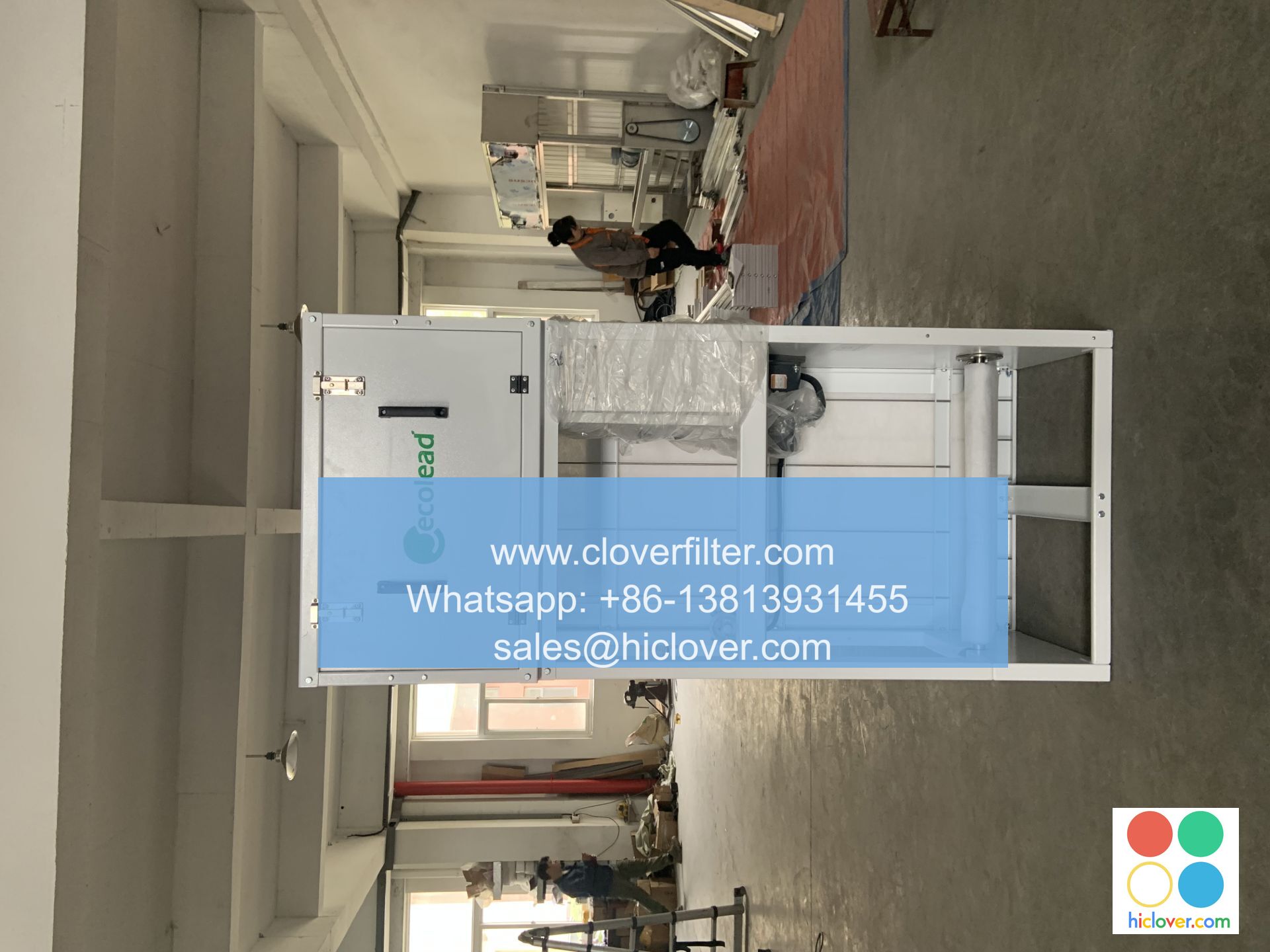
The Importance of Air Quality in Educational Settings
The air quality within educational facilities significantly impacts the health, comfort, and productivity of students and teachers. Poor air quality can lead to problems such as allergies, respiratory issues, and decreased focus, affecting overall academic performance. This highlights the necessity of air filter teams in maintaining clean air and ensuring a conducive learning environment.
Key Responsibilities of Air Filter Teams
1. Regular Inspection and Maintenance
Air filter teams conduct regular inspections and maintenance of HVAC systems to ensure that air filters are functioning optimally. This includes checking for dust accumulation, replacing clogged filters, and monitoring air quality indicators.
2. Implementation of Air Quality Standards
These teams ensure compliance with local and national air quality standards, helping to implement guidelines that promote safer indoor air environments. They often work closely with regulatory bodies to stay updated on best practices.
3. Education and Training
Air filter teams often provide training and resources for school staff on how to maintain good air quality practices, including the importance of keeping windows closed during high pollen counts and understanding the effects of indoor pollutants.
Application Areas of Air Filter Teams
1. Classrooms
Classrooms are where students spend most of their time, necessitating a focus on air quality. Air filter teams ensure that classroom ventilation systems are well-maintained and equipped with appropriate filters to reduce allergens and airborne contaminants.
2. Laboratories
Science and computer labs often contain specialized equipment that may release pollutants. Air filter teams work to create a safe environment by implementing stringent air quality measures, protecting both students and faculty from harmful exposure.
3. Cafeterias and Common Areas
Cafeterias and common areas are hotspots for airborne bacteria and viruses. Maintaining good airflow and filtering systems in these areas is critical. Air filter teams regularly check and replace filters to minimize health risks during lunch hours or gatherings.
Challenges Faced by Air Filter Teams
Despite their essential role, air filter teams encounter several challenges, including budget constraints, outdated infrastructure, and varying regulations across districts. These factors can complicate their efforts in maintaining optimal air quality in schools. Nevertheless, the importance of their work cannot be overstated.
Conclusion
In summary, air filter teams play a crucial role in maintaining the air quality within educational facilities and schools, which directly affects the health and learning capabilities of students and staff. By focusing on regular maintenance, compliance with air quality standards, and education, these teams contribute significantly to creating a safe and productive environment for everyone. As we continue to understand the importance of air quality better, the role of air filter teams will only grow in significance.
It seems like your message might have been cut off! Could you please provide more details or clarify what you’d like to discuss or explore?
