The Role of Air Filter Technology in Ensuring Workplace Safety
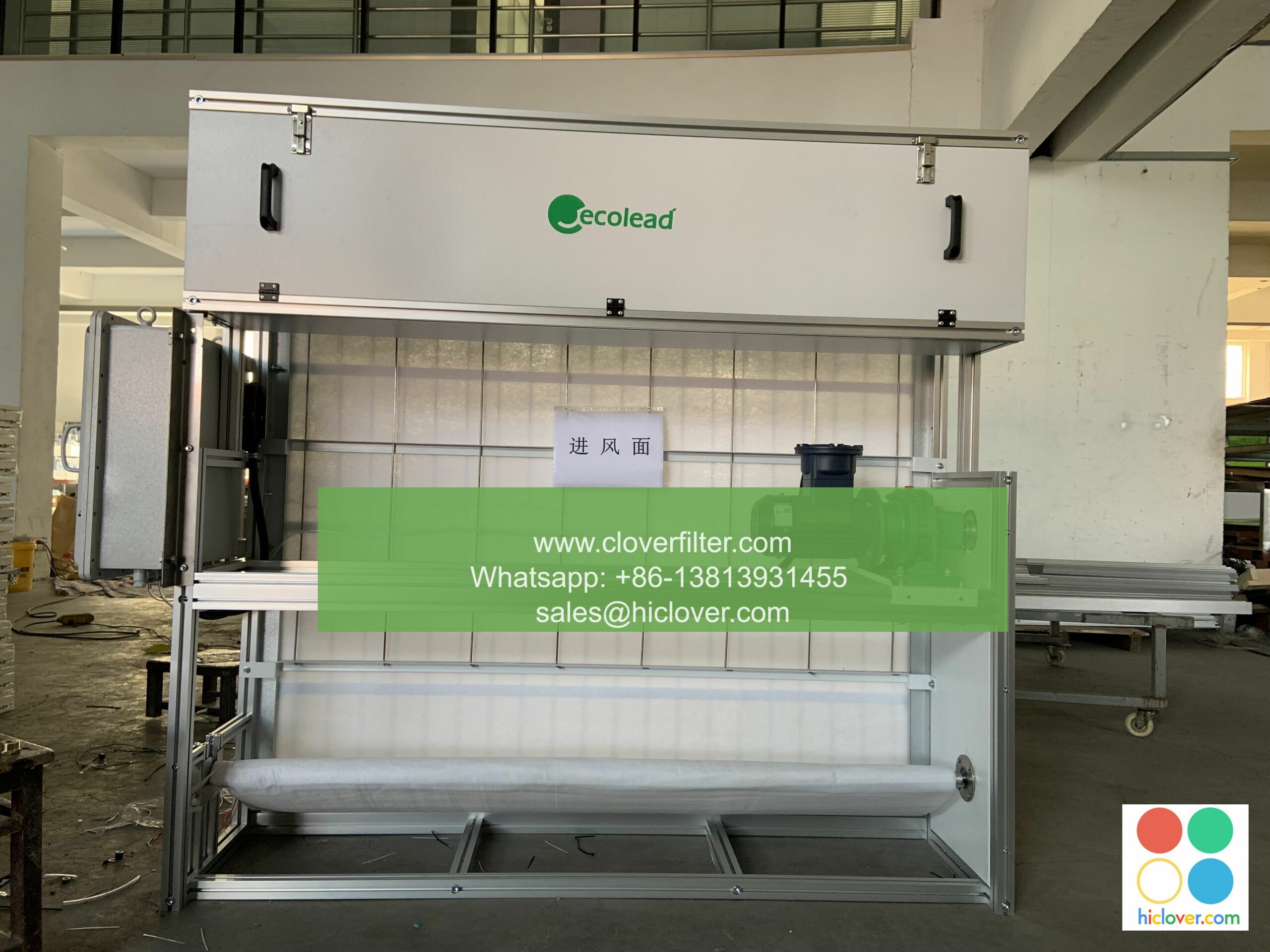
In today’s industrial and commercial settings, indoor air quality has become a major concern, and air filter technology plays a vital role in ensuring workplace safety. The use of advanced air filtration systems can significantly reduce the risk of occupational hazards and create a healthier environment for employees. In this article, we will discuss the importance of air purification technology in various application areas and highlight its benefits for industrial hygiene and employee well-being.
Types of Air Filter Technology
There are several types of air filter technologies available, including HEPA filters, activated carbon filters, and ultra-low penetration air (ULPA) filters. Each type of filter is designed to capture specific types of airborne contaminants, such as dust, pollen, mold spores, and volatile organic compounds (VOCs). By selecting the right type of air filter technology, businesses can effectively remove harmful particles and gases from the air, creating a safer and healthier environment for employees.
Application Areas of Air Filter Technology
Air filter technology has a wide range of application areas, including:
* Industrial settings, such as manufacturing facilities and warehouses, where airborne contaminants can be a major concern.
* Commercial buildings, such as office spaces and retail stores, where indoor air quality can impact employee productivity and customer comfort.
* Hospitals and healthcare facilities, where air purification technology is critical for preventing the spread of infections and illnesses.
* Food processing and preparation facilities, where air filter technology can help prevent contamination and ensure food safety.
Benefits of Air Filter Technology
The use of air filter technology can have numerous benefits for workplace safety and employee well-being, including:
* Reduced risk of occupational hazards, such as respiratory problems and allergic reactions.
* Improved indoor air quality, which can increase employee productivity and comfort.
* Enhanced industrial hygiene, which can reduce the risk of infections and illnesses.
* Cost savings, as air filter technology can help reduce energy consumption and maintenance costs.
Conclusion
In conclusion, air filter technology plays a vital role in ensuring workplace safety and employee well-being. By selecting the right type of air filter technology and applying it in various application areas, businesses can create a healthier and safer environment for employees, while also reducing energy consumption and maintenance costs. As indoor air quality continues to be a major concern, the use of advanced air purification technology will become increasingly important for industrial hygiene and occupational health. It seems like you started to give me a prompt, but it got cut off. Could you please provide the complete prompt or ask the question you have in mind? I’m here to help with any information or assistance you might need!
