The Role of Air Filter Technology in Improving Airflow and Pressure Drop
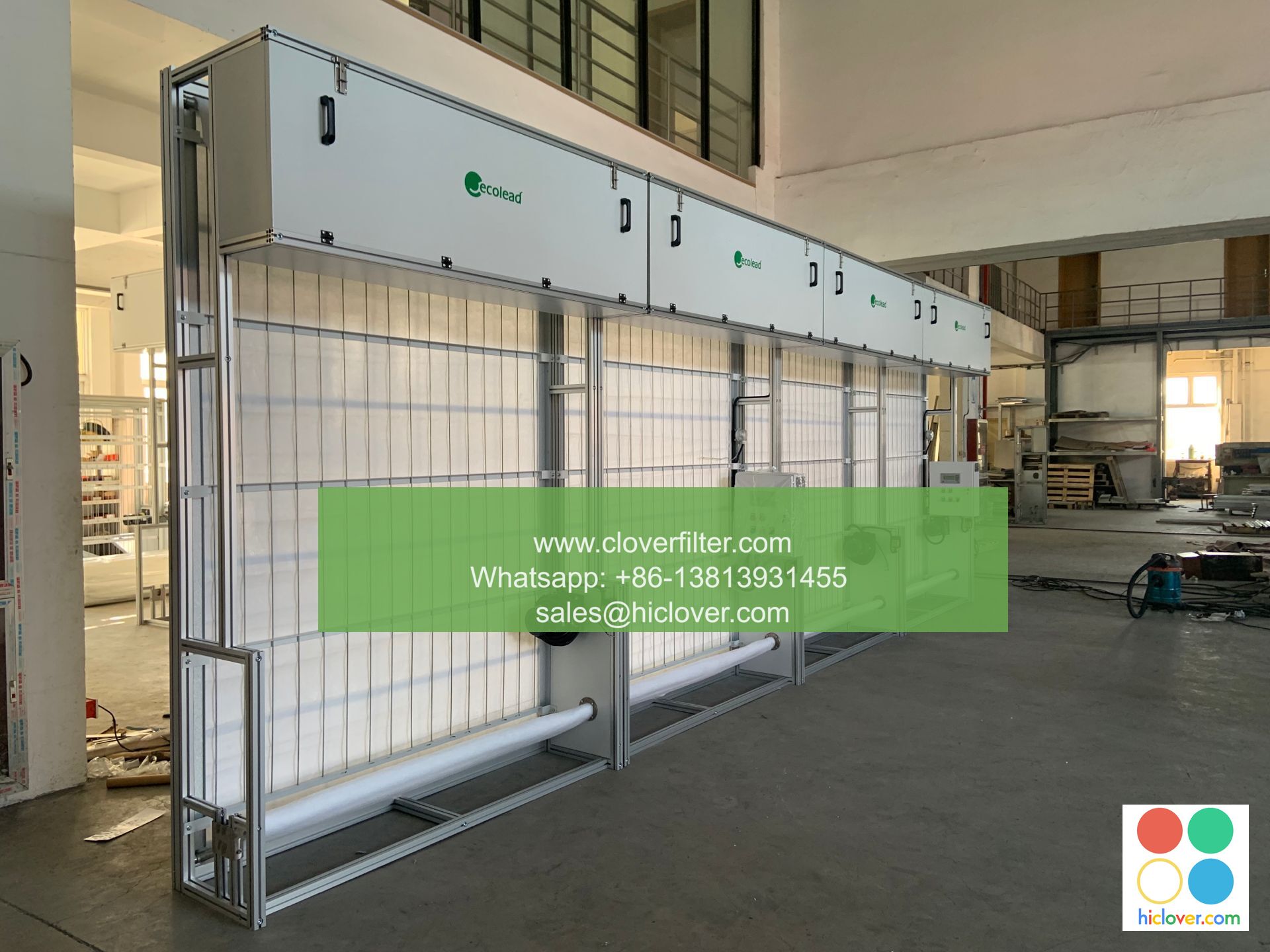
Air filter technology plays a vital role in improving airflow and reducing pressure drop in various applications, including heating, ventilation, and air conditioning (HVAC) systems, industrial processes, and cleanroom environments. The use of advanced air filter technologies, such as nanofiber filters, electrostatic filters, and membrane filters, can significantly enhance airflow and minimize pressure drop, leading to improved energy efficiency, system performance, and indoor air quality.
Principles of Air Filter Technology
Air filter technology is based on the principle of removing particulate matter, gases, and aerosols from the air stream, while allowing clean air to pass through. The performance of an air filter is determined by its filtration efficiency, pressure drop, and airflow rate. The filtration efficiency of an air filter is measured by its ability to capture particulate matter of a specific size, while the pressure drop is measured by the pressure difference across the filter.
Types of Air Filters and Their Applications
There are several types of air filters available, each with its own unique characteristics and applications. Some of the most common types of air filters include:
* MECHANICAL FILTERS: These filters use a physical barrier to capture particulate matter and are commonly used in HVAC systems and industrial processes.
* ELECTROSTATIC FILTERS: These filters use an electrostatic charge to attract and capture particulate matter and are commonly used in cleanroom environments and pharmaceutical applications.
* MEMBRANE FILTERS: These filters use a semipermeable membrane to capture particulate matter and are commonly used in water treatment and biopharmaceutical applications.
* NANOFIBER FILTERS: These filters use nanofibers to capture particulate matter and are commonly used in high-efficiency applications, such as HEPA filters and ULPA filters.
Benefits of Advanced Air Filter Technology
The use of advanced air filter technology can provide several benefits, including:
* IMPROVED ENERGY EFFICIENCY: By reducing pressure drop and improving airflow, advanced air filters can help reduce energy consumption and costs.
* ENHANCED SYSTEM PERFORMANCE: Advanced air filters can help improve system performance by providing cleaner air and reducing particulate matter buildup.
* BETTER INDOOR AIR QUALITY: Advanced air filters can help improve indoor air quality by capturing particulate matter, gases, and aerosols from the air stream.
* INCREASED FILTER LIFE: Advanced air filters can help increase filter life by reducing particulate matter buildup and minimizing pressure drop.

Application Areas for Advanced Air Filter Technology
Advanced air filter technology has a wide range of applications, including:
* HVAC SYSTEMS: Advanced air filters can help improve energy efficiency, system performance, and indoor air quality in HVAC systems.
* INDUSTRIAL PROCESSES: Advanced air filters can help improve system performance, reduce particulate matter buildup, and minimize pressure drop in industrial processes.
* CLEANROOM ENVIRONMENTS: Advanced air filters can help provide ultra-clean air and minimize particulate matter contamination in cleanroom environments.
* PHARMACEUTICAL APPLICATIONS: Advanced air filters can help provide ultra-clean air and minimize particulate matter contamination in pharmaceutical applications.
Conclusion
In conclusion, air filter technology plays a vital role in improving airflow and reducing pressure drop in various applications. The use of advanced air filter technologies, such as nanofiber filters, electrostatic filters, and membrane filters, can significantly enhance airflow and minimize pressure drop, leading to improved energy efficiency, system performance, and indoor air quality. As the demand for clean air and energy-efficient systems continues to grow, the development of advanced air filter technology is expected to play an increasingly important role in meeting these needs. It seems like you forgot to include the actual prompt. Could you please provide more details or clarify what you would like to discuss or ask? I’m here to help with any questions or topics you have in mind!
