The Role of Air Filters in Agricultural Ventilation Systems
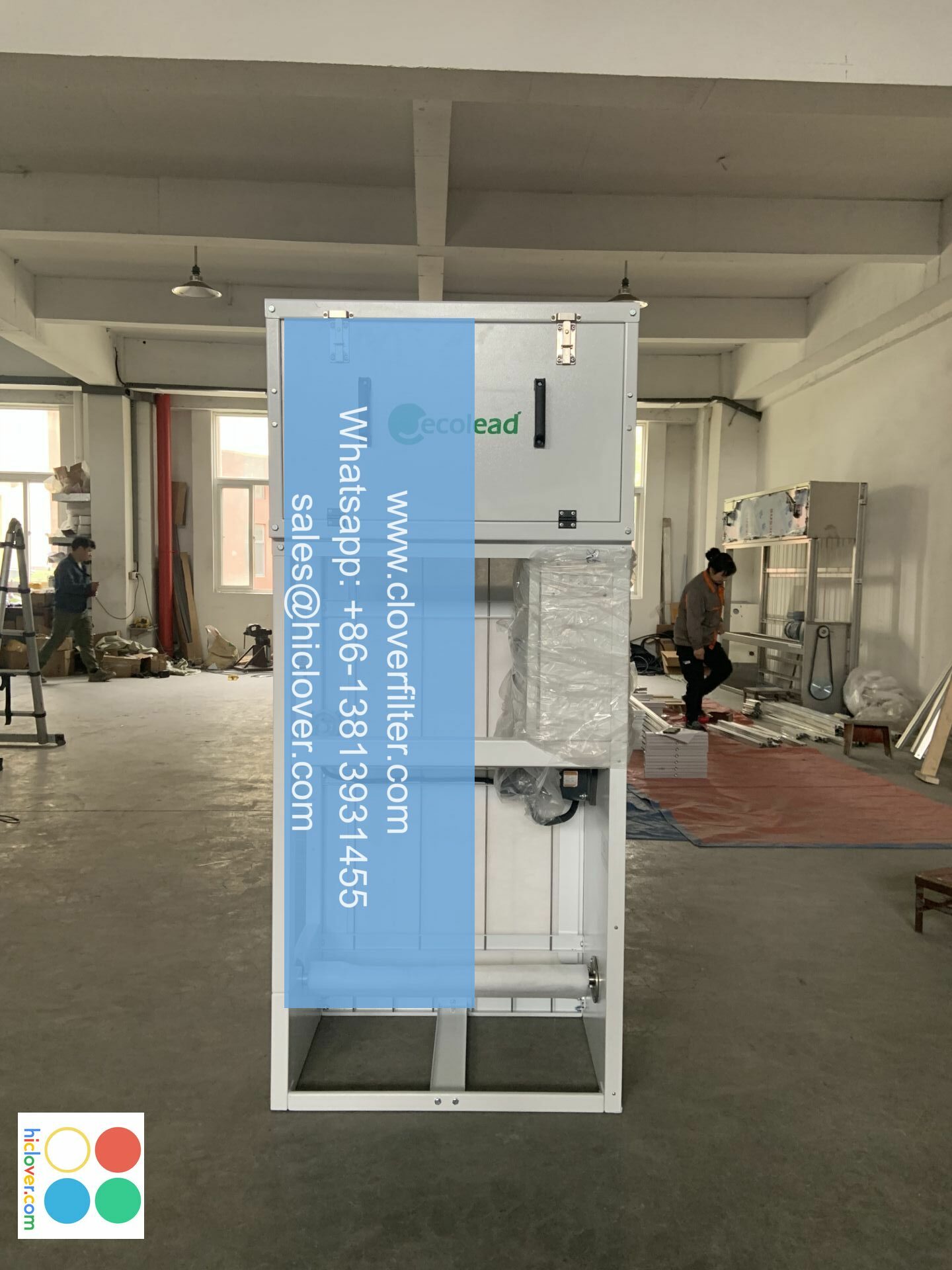
Agricultural ventilation systems play a crucial role in maintaining a healthy and productive environment for livestock and crops. One of the key components of these systems is the air filter, which helps to remove contaminants and pollutants from the air, improving the overall air quality. In this article, we will discuss the importance of air filters in agricultural ventilation systems, highlighting various application areas and key benefits of using high-quality air filters.
Importance of Air Quality in Agricultural Settings
Air quality is essential in agricultural settings, as poor air quality can lead to a range of problems, including respiratory issues in livestock, reduced crop yields, and increased energy consumption. Agricultural ventilation systems are designed to provide a consistent flow of fresh air, while removing stale air and moisture. However, without effective air filtration, these systems can actually contribute to the problem, rather than solving it.
Role of Air Filters in Agricultural Ventilation Systems
Air filters play a critical role in agricultural ventilation systems, helping to remove particulate matter, bacteria, viruses, and other contaminants from the air. By removing these pollutants, air filters help to prevent the spread of diseases and infections in livestock, while also improving the overall health and productivity of the animals. In addition, air filters can help to reduce odors and moisture levels, creating a more comfortable environment for both animals and workers.
Application Areas for Air Filters in Agriculture
Air filters are used in a variety of application areas in agriculture, including:
* Livestock housing: Air filters are used to remove ammonia, hydrogen sulfide, and other gases from the air, creating a healthier environment for animals.
* Greenhouses: Air filters are used to remove pollen, insects, and other contaminants from the air, helping to prevent the spread of diseases and pests in crops.
* Crop storage facilities: Air filters are used to remove moisture and other contaminants from the air, helping to preserve the quality and shelf life of stored crops.
* Poultry houses: Air filters are used to remove dust, feathers, and other contaminants from the air, creating a healthier environment for birds.
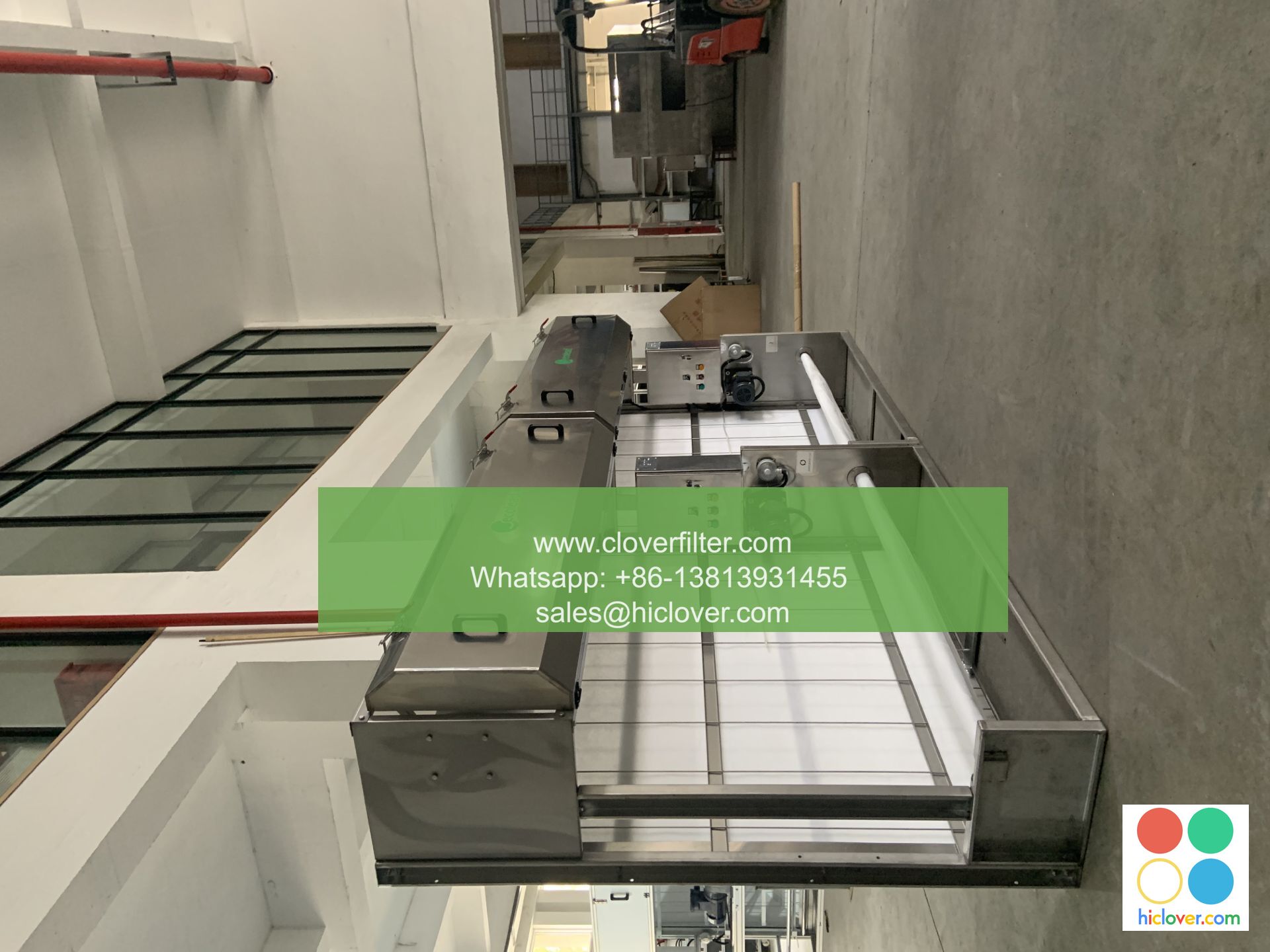
Benefits of Using High-Quality Air Filters
Using high-quality air filters in agricultural ventilation systems can provide a range of benefits, including:
* Improved air quality: High-quality air filters can remove up to 99.97% of particulate matter and other contaminants from the air.
* Increased energy efficiency: By reducing the amount of particulate matter and moisture in the air, high-quality air filters can help to reduce energy consumption and operating costs.
* Improved animal health: High-quality air filters can help to prevent the spread of diseases and infections in livestock, improving the overall health and productivity of the animals.
* Reduced maintenance costs: High-quality air filters can help to reduce maintenance costs by minimizing the amount of particulate matter and moisture that enters the ventilation system.
Conclusion
In conclusion, air filters play a critical role in agricultural ventilation systems, helping to remove particulate matter, bacteria, viruses, and other contaminants from the air. By using high-quality air filters, agricultural operations can improve air quality, energy efficiency, and animal health, while also reducing maintenance costs and operating costs. Whether you are operating a livestock farm, greenhouse, or crop storage facility, investing in high-quality air filters is essential for maintaining a healthy and productive environment. It looks like you’re ready to start a conversation or ask a question, but you haven’t given me a prompt yet. What’s on your mind? Do you want to:
1. Ask a question?
2. Discuss a topic?
3. Play a game?
4. Generate some creative writing?
5. Something else?
Let me know, and I’ll do my best to help!
