The Role of Air Filters in Energy-Efficient Buildings
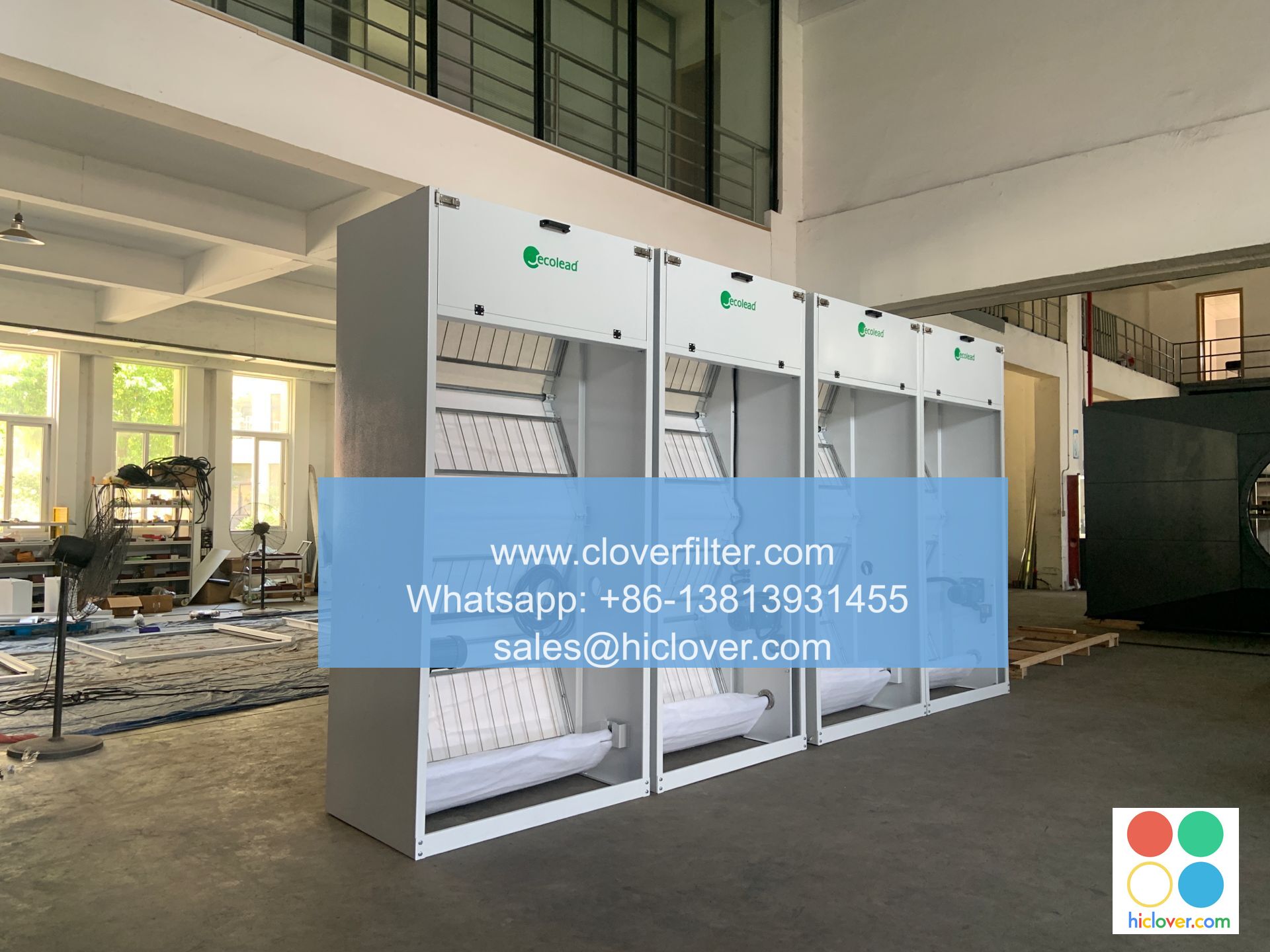
Air filters play a crucial role in maintaining the indoor air quality (IAQ) and energy efficiency of buildings. In this article, we will explore the significance of air filters in energy-efficient buildings, highlighting various application areas, and discussing the benefits of using high-performance air filters in heating, ventilation, and air conditioning (HVAC) systems.
Indoor Air Quality and Energy Efficiency
Indoor air quality is a critical factor in maintaining the health, comfort, and productivity of building occupants. Air filters are designed to remove airborne pollutants, such as particulate matter (PM), gases, and volatile organic compounds (VOCs), from the air. By improving IAQ, air filters can also contribute to energy efficiency by reducing the load on HVAC systems. For instance, high-efficiency particulate air (HEPA) filters can capture 99.97% of particles as small as 0.3 microns, including dust, pollen, and other airborne contaminants, thereby reducing the energy required to heat or cool the air.
Application Areas of Air Filters
Air filters have various application areas in energy-efficient buildings, including:
Residential Buildings
In residential buildings, air filters are used to improve IAQ and reduce energy consumption. High-performance air filters, such as electrostatic air filters or activated carbon filters, can be used to remove airborne pollutants and odors, creating a healthier and more comfortable living environment.

Commercial Buildings
In commercial buildings, air filters are used to maintain good IAQ and reduce energy costs. Air filters, such as bag filters or box filters, can be used in HVAC systems to remove airborne pollutants and particulate matter, reducing the load on the system and improving energy efficiency.
Industrial Buildings
In industrial buildings, air filters are used to remove airborne pollutants and particulate matter, improving IAQ and reducing energy consumption. Air filters, such as cartridge filters or panel filters, can be used in HVAC systems to remove pollutants, such as dust, fumes, and VOCs, creating a safer and healthier working environment.
Benefits of High-Performance Air Filters
High-performance air filters offer several benefits, including:
* Improved Indoor Air Quality: High-performance air filters can remove up to 99.97% of airborne pollutants, creating a healthier and more comfortable indoor environment.
* Energy Efficiency: High-performance air filters can reduce the load on HVAC systems, resulting in energy savings and reduced energy consumption.
* Extended Equipment Life: High-performance air filters can extend the life of HVAC equipment by reducing the amount of airborne pollutants that can damage the system.
* Cost Savings: High-performance air filters can reduce energy costs and extend equipment life, resulting in cost savings for building owners and occupants.
Conclusion
In conclusion, air filters play a vital role in maintaining the indoor air quality and energy efficiency of buildings. By highlighting various application areas and discussing the benefits of using high-performance air filters, we can see that air filters are an essential component of energy-efficient buildings. Whether in residential, commercial, or industrial buildings, air filters can improve IAQ, reduce energy consumption, and create a healthier and more comfortable indoor environment. As the demand for energy-efficient buildings continues to grow, the importance of air filters in maintaining good IAQ and reducing energy costs will become increasingly significant. It seems like you forgot to include the prompt. Please go ahead and provide the prompt, and I’ll be happy to help!
