The Role of Air Filters in Improving Indoor Air Quality
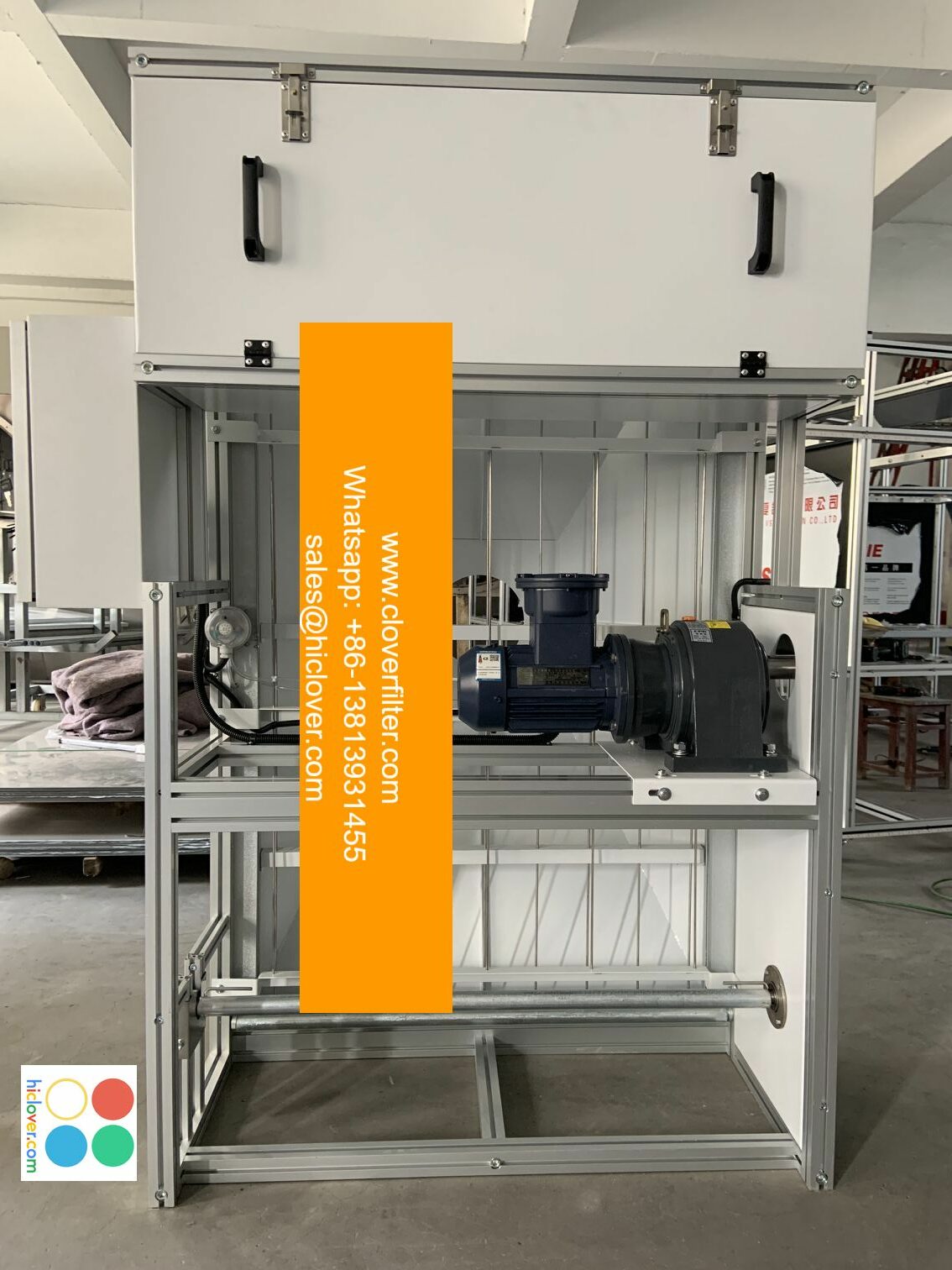
As we spend more time indoors, the air we breathe becomes a growing concern. Indoor air pollution can be up to 5 times worse than outdoor pollution, making it essential to prioritize indoor air quality (IAQ) improvement. One of the most effective ways to achieve this is by installing high-quality air filters in our homes, offices, and other enclosed spaces. In this article, we’ll delve into the role of air filters in improving IAQ, highlighting their importance, and exploring various application areas.
How Air Filters Work
Air filters are designed to capture particulate matter (PM), volatile organic compounds (VOCs), and other airborne pollutants, preventing them from circulating in the air. By removing these contaminants, air filters help to reduce the risk of respiratory problems, allergic reactions, and other health issues. There are several types of air filters available, including HEPA filters, activated carbon filters, and UV air purifiers, each with its own unique benefits and application areas.
Benefits of Air Filters
The benefits of air filters are numerous and well-documented. Some of the most significant advantages include:
* Improved respiratory health: By removing airborne pollutants, air filters can help to reduce the risk of asthma, chronic obstructive pulmonary disease (COPD), and other respiratory problems.
* Reduced allergy symptoms: Air filters can capture allergens such as dust, pollen, and pet dander, making them an essential tool for allergy sufferers.
* Enhanced indoor air quality: By removing VOCs and other pollutants, air filters can improve the overall IAQ of a space, creating a healthier and more comfortable environment.
Application Areas
Air filters have a wide range of application areas, including:
* Residential homes: Installing air filters in homes can help to improve IAQ and reduce the risk of respiratory problems.
* Commercial offices: Air filters can be used in office buildings to improve productivity and reduce the risk of absenteeism due to illness.
* Industrial settings: Air filters are essential in industrial settings where air pollution can be a significant concern.
* Hospital and healthcare settings: Air filters can help to reduce the risk of hospital-acquired infections and improve patient outcomes.

Choosing the Right Air Filter
With so many air filter options available, it can be difficult to choose the right one for your needs. When selecting an air filter, consider the following factors:
* MERV rating: Look for air filters with a high MERV rating (Minimum Efficiency Reporting Value) to ensure they can capture a wide range of pollutants.
* Filter type: Choose an air filter that is designed to capture the specific types of pollutants you’re concerned about (e.g., HEPA filters for particulate matter).
* Maintenance requirements: Consider the maintenance requirements of the air filter, including the need for filter replacements and cleaning.
Conclusion
In conclusion, air filters play a vital role in improving indoor air quality and reducing the risk of respiratory problems and other health issues. By understanding the benefits and application areas of air filters, you can make informed decisions about how to improve the IAQ of your home, office, or other enclosed space. Whether you’re looking to reduce allergy symptoms, improve respiratory health, or simply create a healthier and more comfortable environment, air filters are an essential tool in achieving your goals. You haven’t asked a question or provided any information for me to respond to. What would you like to talk about or ask? I’ll do my best to provide a helpful and informative response.
