The Role of Air Filters in Mitigating Indoor Air Pollution
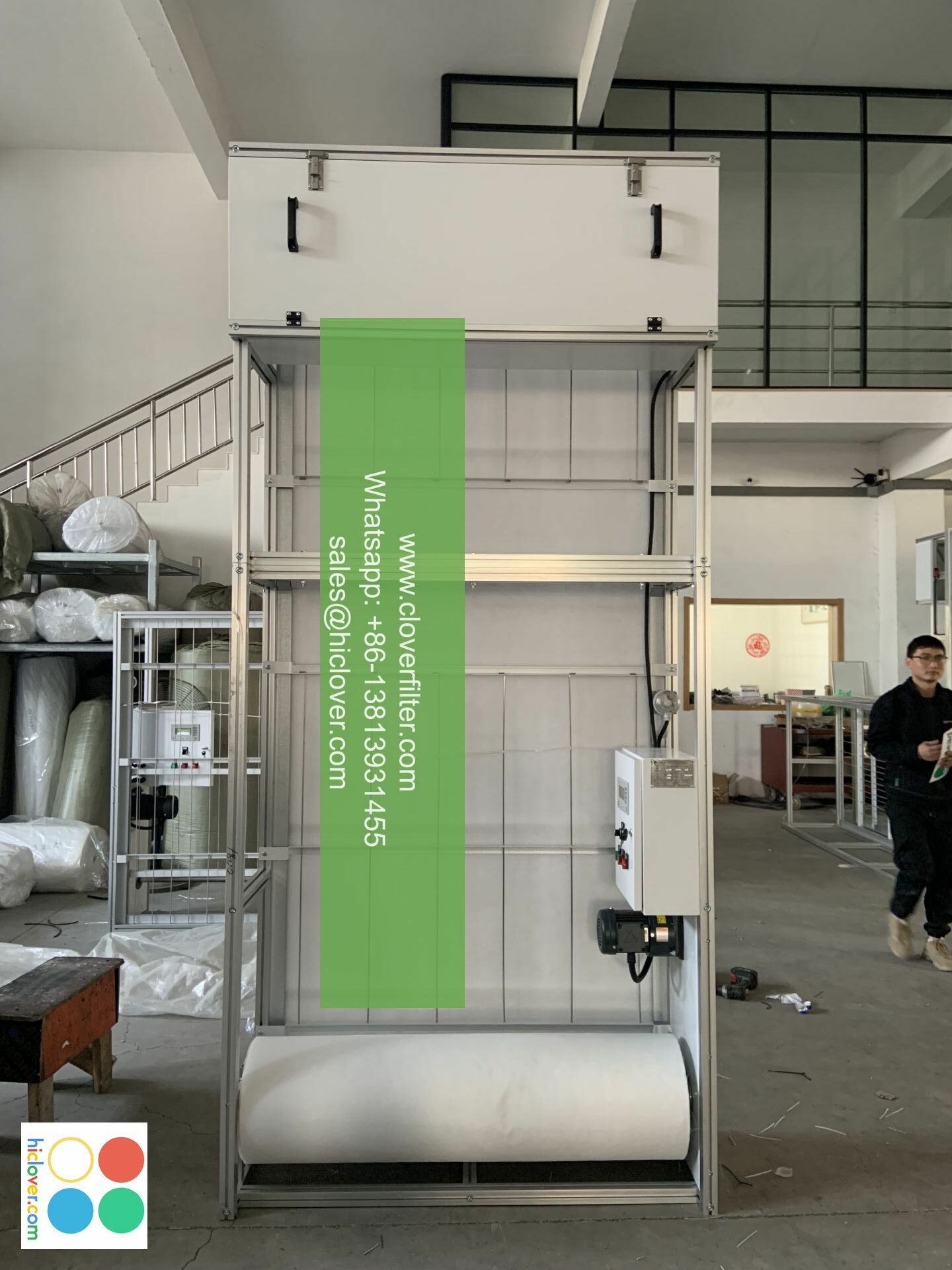
Indoor air pollution has become a significant concern in recent years, with the Environmental Protection Agency (EPA) estimating that indoor air can be up to 5 times more polluted than outdoor air. One of the most effective ways to mitigate indoor air pollution is through the use of high-efficiency air filters. In this article, we will discuss the role of air filters in improving indoor air quality (IAQ) and highlight various application areas where they can be used.
How Air Filters Work
Air filters work by capturing particulate matter (PM), volatile organic compounds (VOCs), and other gaseous pollutants from the air, preventing them from being inhaled. The filters use a combination of mechanical filtration and electrostatic attraction to trap pollutants, with the most effective filters using a HEPA (High Efficiency Particulate Air) filtration system. HEPA filters can capture 99.97% of particles as small as 0.3 microns, making them an excellent choice for allergy sufferers and those with respiratory issues.
Application Areas for Air Filters
Air filters can be used in a variety of application areas to improve indoor air quality and reduce the risks associated with indoor air pollution. Some of the most common application areas include:
* Residential HVAC systems: Installing air filters in residential heating, ventilation, and air conditioning (HVAC) systems can help to remove pollutants and improve the overall comfort and health of occupants.
* Commercial buildings: Air filters can be used in commercial buildings to improve indoor air quality and reduce the risks associated with occupant health.
* Industrial settings: Industrial settings can benefit from the use of air filters to remove hazardous particles and gases from the air, improving worker safety and reducing the risks associated with occupational health.
* Transportation systems: Air filters can be used in vehicles and public transportation systems to improve indoor air quality and reduce the risks associated with air pollution.
Benefits of Air Filters
The benefits of using air filters to mitigate indoor air pollution are numerous. Some of the most significant benefits include:
* Improved indoor air quality: Air filters can help to remove pollutants and improve the overall quality of the air inside buildings and vehicles.
* Reduced health risks: By removing particulate matter and gaseous pollutants from the air, air filters can help to reduce the risks associated with respiratory issues and other health problems.
* Increased energy efficiency: Air filters can help to improve the efficiency of HVAC systems and reduce the amount of energy needed to heat and cool buildings.
* Extended equipment life: By removing pollutants and debris from the air, air filters can help to extend the life of equipment and machinery.

Conclusion
In conclusion, air filters play a critical role in mitigating indoor air pollution and improving indoor air quality. By removing particulate matter and gaseous pollutants from the air, air filters can help to reduce the risks associated with respiratory issues and other health problems. With their numerous benefits and applications in residential, commercial, industrial, and transportation settings, air filters are an essential tool in the fight against indoor air pollution. As awareness of the importance of indoor air quality continues to grow, the use of air filters is likely to become even more widespread, leading to a healthier and more sustainable future for generations to come. It seems like you’re ready to start a conversation or explore a topic, but you haven’t specified what’s on your mind. Could you please provide more details or clarify your interest? I’m here to help with any questions you might have or to discuss a wide range of subjects.
