The Role of Air Filters in Preventing Airborne Infections
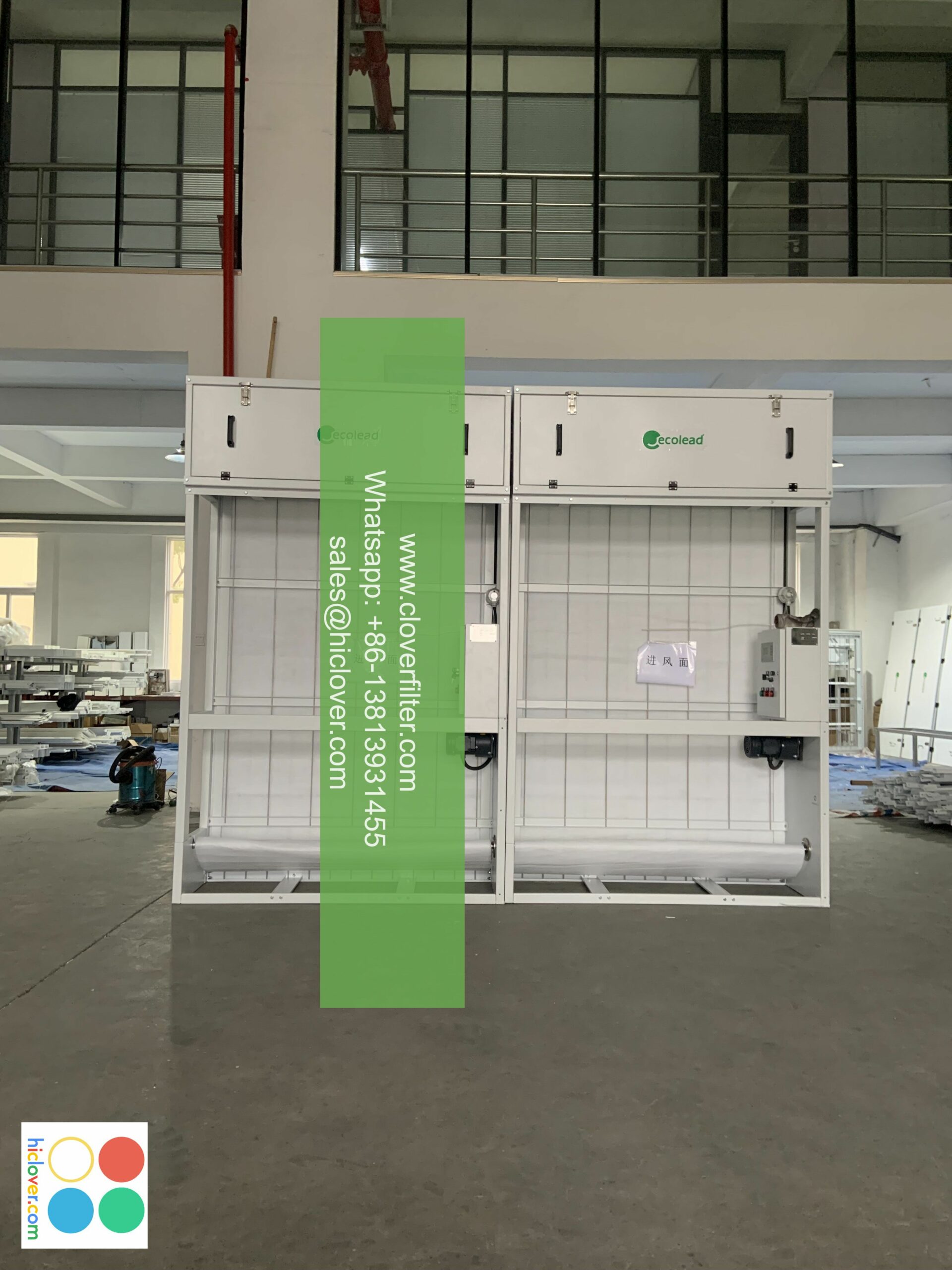
Airborne infections are a significant concern in various settings, including hospitals, schools, and offices. The spread of infectious diseases through the air can be rapid and unpredictable, making it essential to implement effective measures to prevent the transmission of airborne pathogens. One crucial component in the prevention of airborne infections is the use of air filters. In this article, we will discuss the role of air filters in preventing airborne infections, highlighting their application in healthcare facilities, indoor air quality, and infection control.
How Air Filters Work
Air filters are designed to remove airborne contaminants, including bacteria, viruses, and fungi, from the air. These filters use various mechanisms, such as mechanical filtration, electrostatic attraction, and activated carbon, to capture and retain airborne particles. By removing these particles from the air, air filters can significantly reduce the concentration of airborne pathogens, thereby reducing the risk of infection transmission.
Application in Healthcare Facilities
In healthcare facilities, air filters play a critical role in preventing the spread of airborne infections. Hospital-acquired infections (HAIs) are a significant concern, and air filters can help reduce the risk of transmission. HEPA filters (High Efficiency Particulate Air filters) are commonly used in healthcare facilities, as they can capture 99.97% of particles as small as 0.3 microns, including mycobacteria, influenza virus, and tuberculosis. By installing HEPA filters in ventilation systems, healthcare facilities can significantly reduce the risk of airborne infection transmission.
Indoor Air Quality and Infection Control
Indoor air quality is a critical factor in preventing airborne infections. Poor indoor air quality can lead to the accumulation of airborne contaminants, increasing the risk of infection transmission. Air filters can help improve indoor air quality by removing airborne particles and reducing the concentration of volatile organic compounds (VOCs) and particulate matter (PM). By maintaining good indoor air quality, individuals can reduce their risk of developing respiratory infections, such as influenza and common colds.
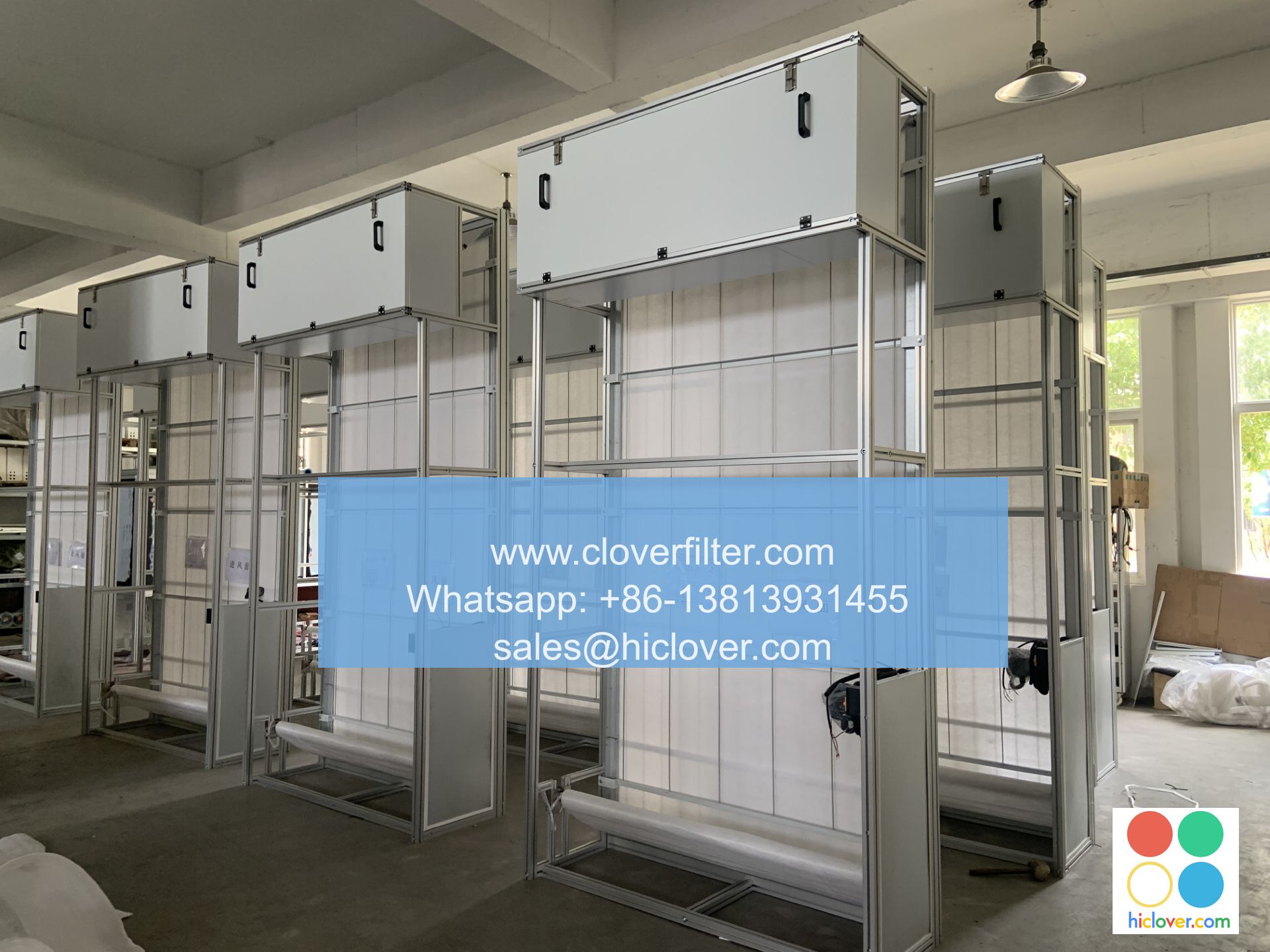
Other Application Areas
Air filters are not only used in healthcare facilities but also in various other settings, including:
* Schools: Air filters can help reduce the spread of airborne infections, such as influenza and whooping cough, in schools.
* Offices: Air filters can improve indoor air quality and reduce the risk of airborne infection transmission in office buildings.
* Public transportation: Air filters can be used in public transportation systems, such as buses and trains, to reduce the spread of airborne infections.
* Industrial settings: Air filters can be used in industrial settings, such as manufacturing facilities and construction sites, to reduce the risk of airborne infection transmission.
Conclusion
In conclusion, air filters play a critical role in preventing airborne infections. By removing airborne contaminants, including bacteria, viruses, and fungi, air filters can significantly reduce the risk of infection transmission. The application of air filters in healthcare facilities, indoor air quality, and infection control is essential in preventing the spread of airborne infections. Additionally, air filters can be used in various other settings, including schoools, offices, public transportation, and industrial settings, to reduce the risk of airborne infection transmission. By highlighting the importance of air filters in preventing airborne infections, we can take a significant step towards reducing the spread of infectious diseases and improving public health. It seems like you forgot to include the prompt. Could you please provide more details or clarify what you would like to talk about? I’m here to help with any questions or topics you have in mind!
