The Role of Air Filters in Reducing Air Pollution
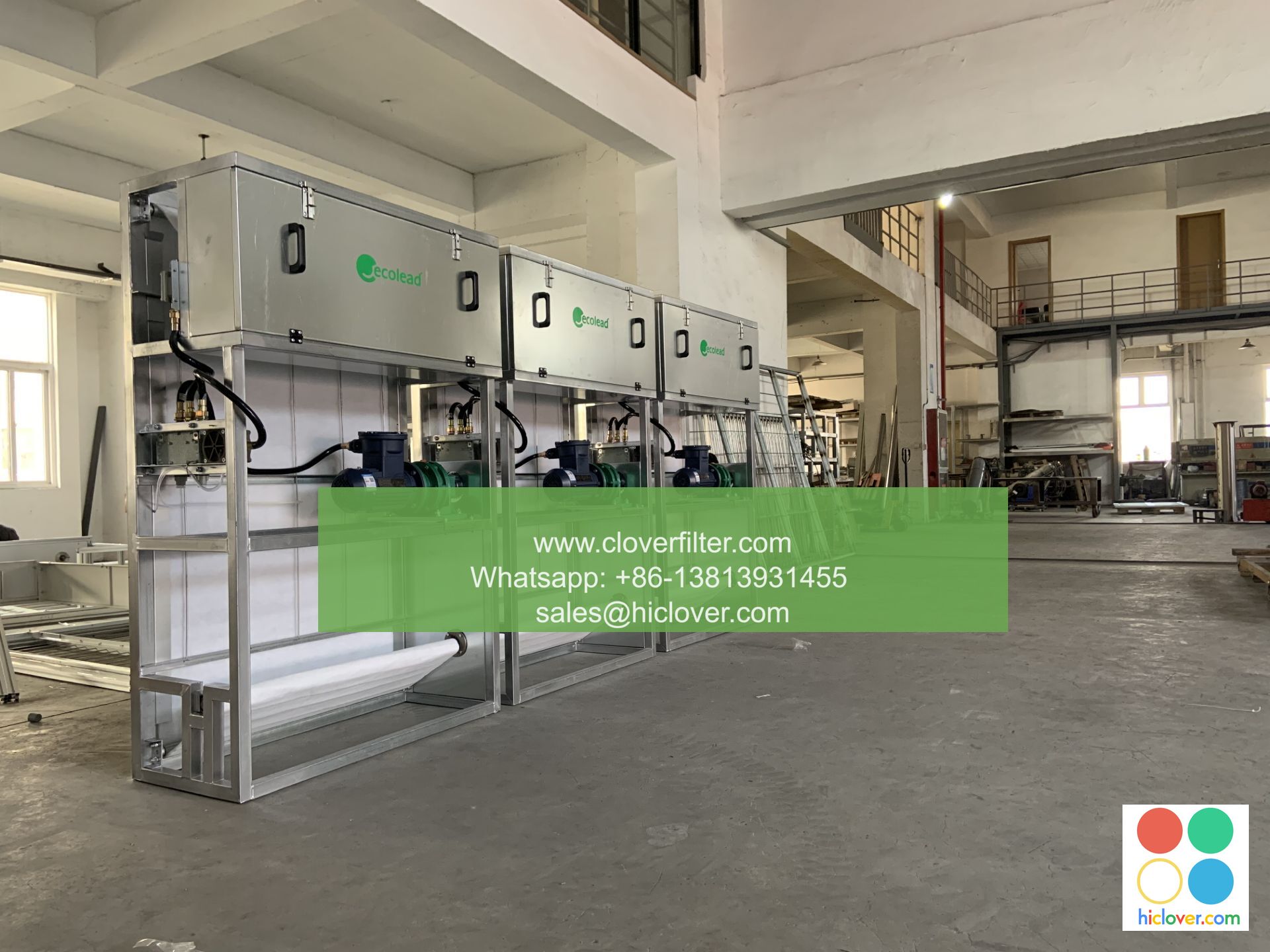
Air pollution is a significant concern worldwide, affecting both human health and the environment. As urban areas continue to expand and industrial activities increase, the need for effective air purification methods has become more urgent. Among these methods, air filters play a crucial role in reducing air pollution. This article will explore the function of air filters, their various applications, and how they contribute to cleaner air.
Understanding Air Filters

Air filters are devices designed to remove specific particles and pollutants from the air. They operate by trapping contaminants such as dust, allergens, smoke, and harmful gases. The effectiveness of an air filter is usually indicated by its Minimum Efficiency Reporting Value (MERV), which measures its ability to capture particles of different sizes. Higher MERV ratings indicate better filtration performance.
Types of Air Filters
1. HEPA Filters
High-Efficiency Particulate Air (HEPA) filters are industry-standard for trapping at least 99.97% of particles as small as 0.3 micrometers. They are widely used in residential air purifiers, hospitals, and clean rooms due to their high efficiency in removing allergens, dust, and even some bacteria.
2. Activated Carbon Filters
Activated carbon filters are particularly effective for removing odors and volatile organic compounds (VOCs) from the air. They work through adsorption, where pollutants stick to the surface of the activated carbon. These filters are commonly used in kitchen range hoods, HVAC systems, and air purifiers.
3. Electrostatic Filters
Electrostatic air filters use an electric charge to attract particles, allowing them to be trapped more efficiently. These filters are reusable and often used in industrial settings due to their relatively low maintenance costs.
Applications of Air Filters
1. Residential Air Quality Improvement
In households, air filters are essential for maintaining healthy indoor air quality. With rising awareness about the impact of indoor air pollution, families are increasingly investing in air purifiers equipped with HEPA and activated carbon filters.
2. Commercial Settings
Many businesses, such as restaurants, offices, and retail stores, utilize air filtration systems to enhance employee comfort and meet health regulations. Effective air filtration can contribute to better air quality, compliance with safety standards, and improved customer experiences.
3. Healthcare Facilities
In medical settings, air filters are critical for preventing the spread of infectious diseases. Hospitals and clinics use HEPA filters in surgical theaters and patient rooms to reduce the risk of airborne infections and provide a sterile environment.
4. Industrial Applications
Manufacturing and industrial plants may generate hazardous air pollutants. Advanced filtration systems are essential for controlling emissions and ensuring compliance with environmental regulations. Industries implement various types of air filters to safeguard worker health and minimize their environmental impact.
Benefits of Air Filters in Reducing Air Pollution
1. Health Benefits
By effectively filtering out particulate matter, allergens, and microorganisms, air filters contribute to better respiratory health. This is particularly important for sensitive groups, such as children, the elderly, and individuals with pre-existing health conditions.
2. Environmental Impact
Implementing air filters not only benefits individual health but also helps reduce overall air pollution levels. Cleaner air leads to lower rates of respiratory illnesses and can lessen the burden on healthcare systems.
3. Energy Efficiency
High-quality air filtration can also enhance the efficiency of HVAC systems. By reducing the number of pollutants and particulates, air filters help these systems operate more effectively, lowering energy consumption and operational costs.
Conclusion
The role of air filters in reducing air pollution cannot be overstated. With various types suited for different applications—from homes to hospitals and industrial workplaces—air filters are an essential tool in the fight against air pollution. As technology advances, the effectiveness and accessibility of air filtration systems will continue to improve, offering a cleaner and healthier environment for all. By investing in high-quality air filters, we can take significant steps towards better air quality and a more sustainable future.
Of course! What kind of prompt are you looking for? It could be for creative writing, brainstorming ideas, a specific theme, or anything else. Let me know your preferences!
