The Role of Air Filters in Reducing Dust and Dander
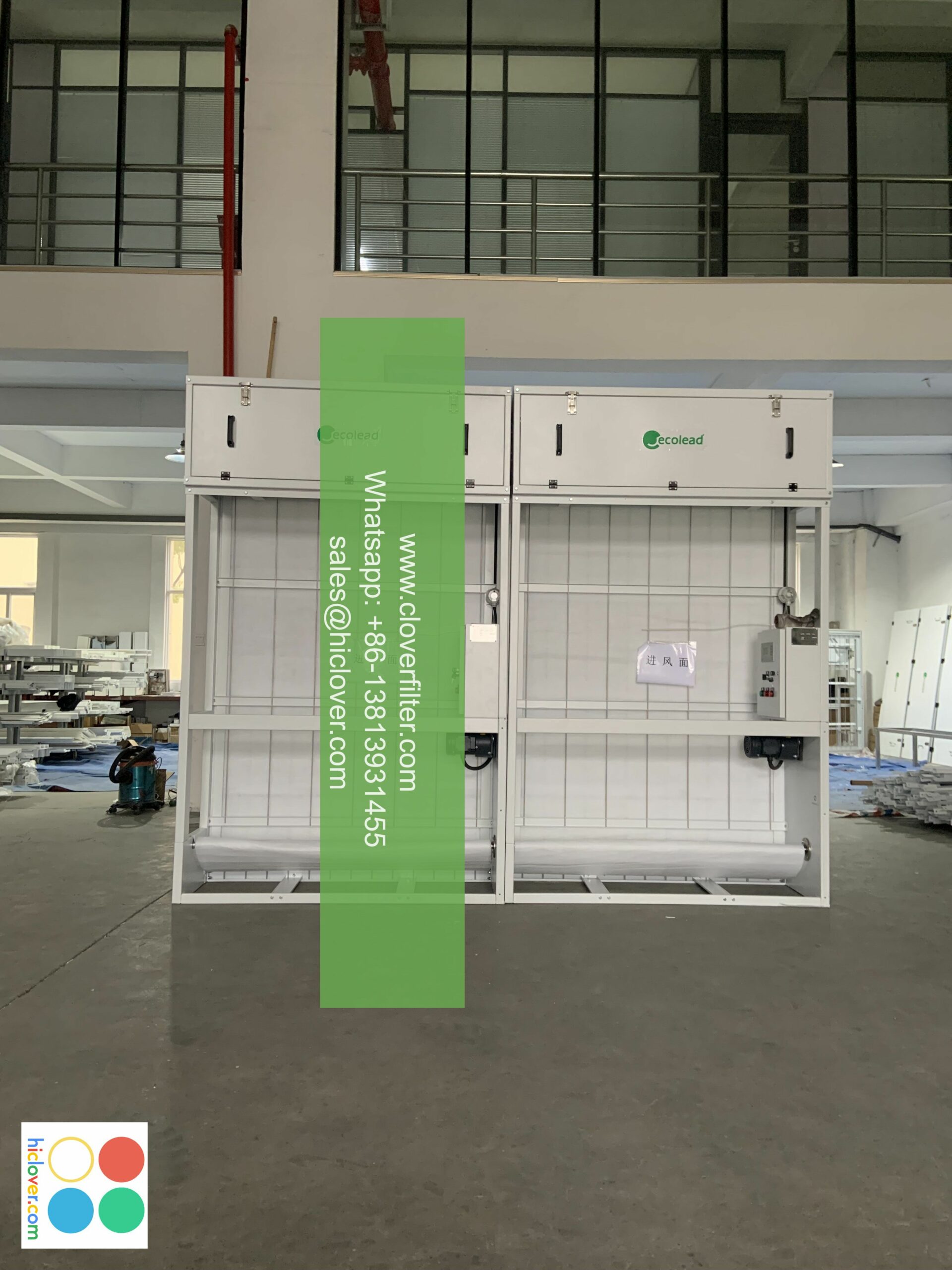
Air filters play a crucial role in maintaining indoor air quality by reducing dust, dander, and other airborne pollutants. In this article, we will explore the importance of air filters in indoor air purification, their application areas, and the benefits of using high-efficiency particulate air (HEPA) filters and activated carbon filters in reducing allergens and irritants.
How Air Filters Work
Air filters work by capturing airborne particles, including dust mites, pet dander, and pollen, as they pass through the filter. The filter media, such as fiberglass or pleated fabric, is designed to trap particles of varying sizes, preventing them from re-circulating into the air. This process helps to improve indoor air quality and reduce the risk of allergic reactions and respiratory problems.
Application Areas of Air Filters
Air filters have a wide range of applications, including:
* Residential air filtration: Air filters are used in home air purifiers and HVAC systems to improve indoor air quality and reduce allergens.
* Commercial air filtration: Air filters are used in office buildings, hospitals, and industrial settings to maintain a healthy and productive environment.
* Industrial air filtration: Air filters are used in manufacturing facilities and workshops to remove airborne pollutants and improve worker safety.
* Automotive air filtration: Air filters are used in vehicle air conditioning systems to improve cabin air quality and reduce allergens.
Benefits of Using HEPA Filters
HEPA filters are designed to capture 99.97% of particles as small as 0.3 microns, making them an effective solution for reducing allergens and irritants. The benefits of using HEPA filters include:
* Improved indoor air quality
* Reduced allergic reactions
* Relief from respiratory problems
* Increased energy efficiency
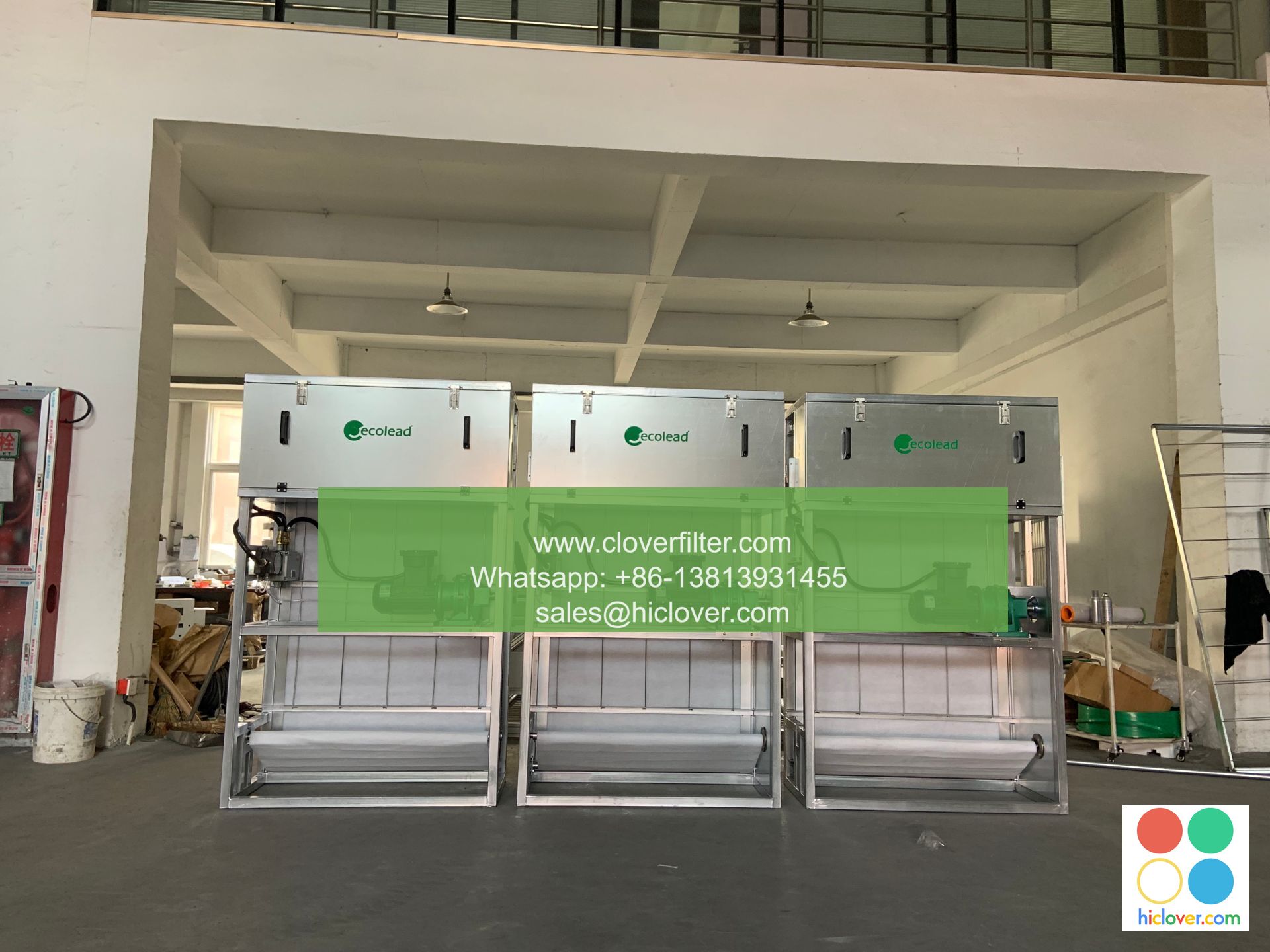
Benefits of Using Activated Carbon Filters
Activated carbon filters are designed to capture gases and odors, making them an effective solution for reducing volatile organic compounds (VOCs) and unpleasant smells. The benefits of using activated carbon filters include:
* Improved indoor air quality
* Reduced odors and gases
* Relief from headaches and nausea
* Increased energy efficiency
Conclusion
In conclusion, air filters play a vital role in reducing dust and dander, and improving indoor air quality. By understanding how air filters work and their application areas, individuals can make informed decisions about the types of filters to use in their homes and workplaces. The use of HEPA filters and activated carbon filters can provide numerous benefits, including improved indoor air quality, reduced allergic reactions, and relief from respiratory problems. By investing in a high-quality air filter, individuals can breathe easy and enjoy a healthier and more comfortable living and working environment. It seems like you didn’t include a specific prompt for me to respond to. Could you please provide more details or clarify what you’re looking for? I’m here to help with any questions or topics you’d like to discuss!
