The Role of Air Filters in Reducing Dust and Particles
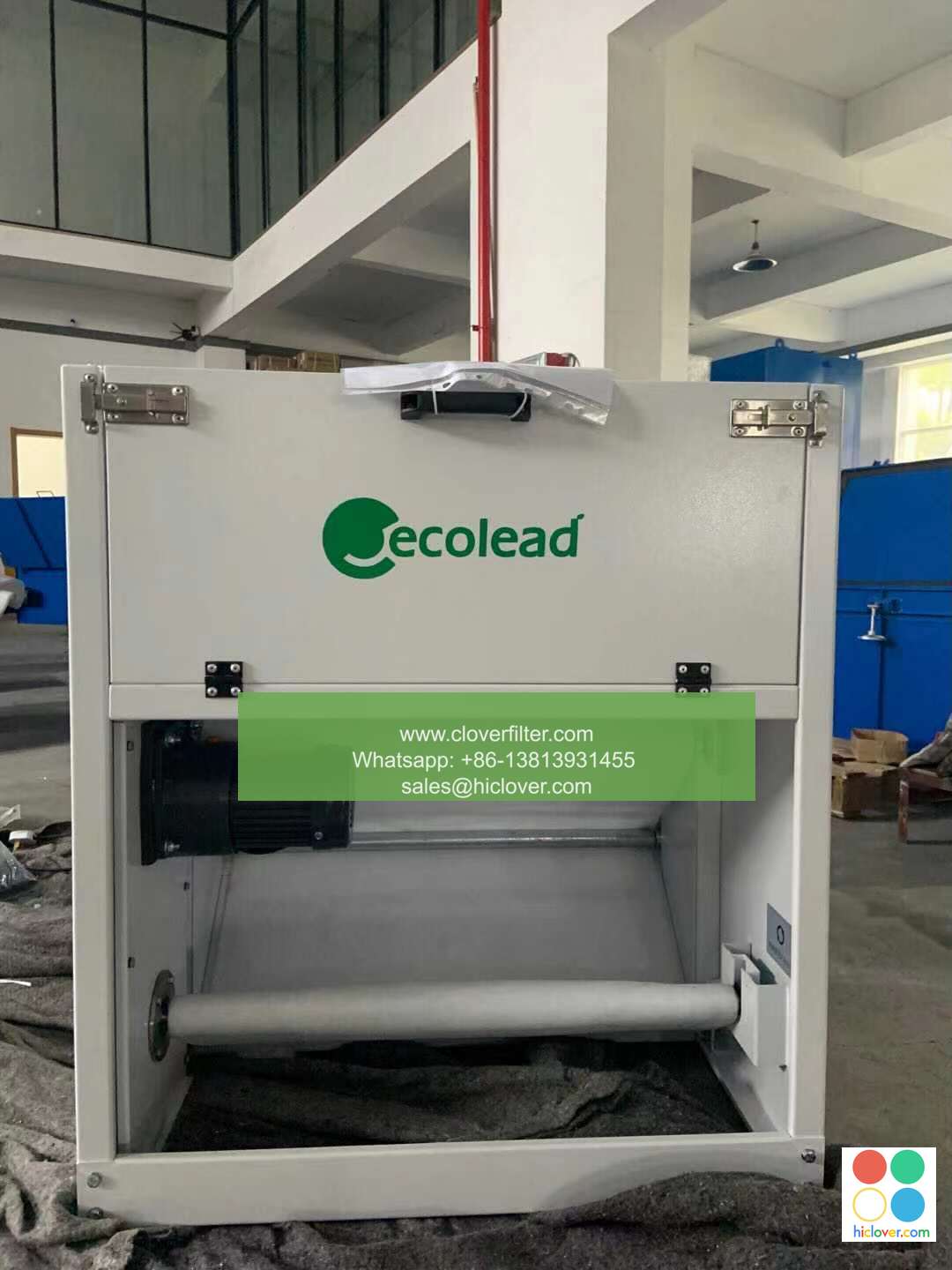
Air filters play a vital role in reducing dust, particles, and other airborne contaminants from the air, improving indoor air quality and creating a healthier environment. In this article, we will delve into the world of air filtration, exploring the importance of air purification, the benefits of using air filters, and the various application areas where air filters are used.
Understanding Airborne Contaminants
Airborne contaminants, such as dust, pollen, mold, and pet dander, can have a significant impact on indoor air quality. These particles can exacerbate respiratory issues, such as asthma and allergies, and even lead to long-term health problems. Air filters are designed to capture these particles, reducing the concentration of airborne contaminants and improving overall air quality.
Key Benefits of Air Filters
The benefits of using air filters are numerous and well-documented. Some of the key advantages include:
* Improved indoor air quality: Air filters can remove up to 99.97% of airborne particles, including dust, pollen, and other contaminants.
* Reduced allergy and asthma symptoms: By removing airborne allergens, air filters can help alleviate symptoms associated with allergies and asthma.
* Extended equipment lifespan: Air filters can help protect HVAC equipment and other machinery from damage caused by dust and debris.
Applications of Air Filters
Air filters are used in a wide range of application areas, including:
* Residential HVAC systems: Air filters are used to improve indoor air quality and reduce energy consumption in homes.
* Commercial buildings: Air filters are used to maintain a healthy and comfortable environment in offices, schools, and other commercial spaces.
* Industrial settings: Air filters are used to protect equipment and personnel from airborne contaminants in industrial environments.
* Transportation systems: Air filters are used to improve air quality in vehicles, including cars, buses, and airplanes.

Types of Air Filters
There are several types of air filters available, including:
* HEPA filters: High-Efficiency Particulate Air filters are designed to capture 99.97% of particles as small as 0.3 microns.
* Activated carbon filters: These filters are designed to capture gases and odors, improving indoor air quality.
* UV air purifiers: These filters use ultraviolet light to kill bacteria, viruses, and other microorganisms.
Conclusion
In conclusion, air filters play a critical role in reducing dust and particles, improving indoor air quality, and creating a healthier environment. With various application areas and benefits of using air filters, it is essential to choose the right type of air filter for your specific needs. By understanding the importance of air purification and the role of air filters, you can take the first step towards creating a healthier and more comfortable environment. It seems like you might have started to ask for something, but your request got cut off before you could finish. Could you please provide more details or clarify what you’re looking for? I’m here to help with any questions or topics you’d like to discuss!
