The Role of Air Filters in Reducing Dust Mites
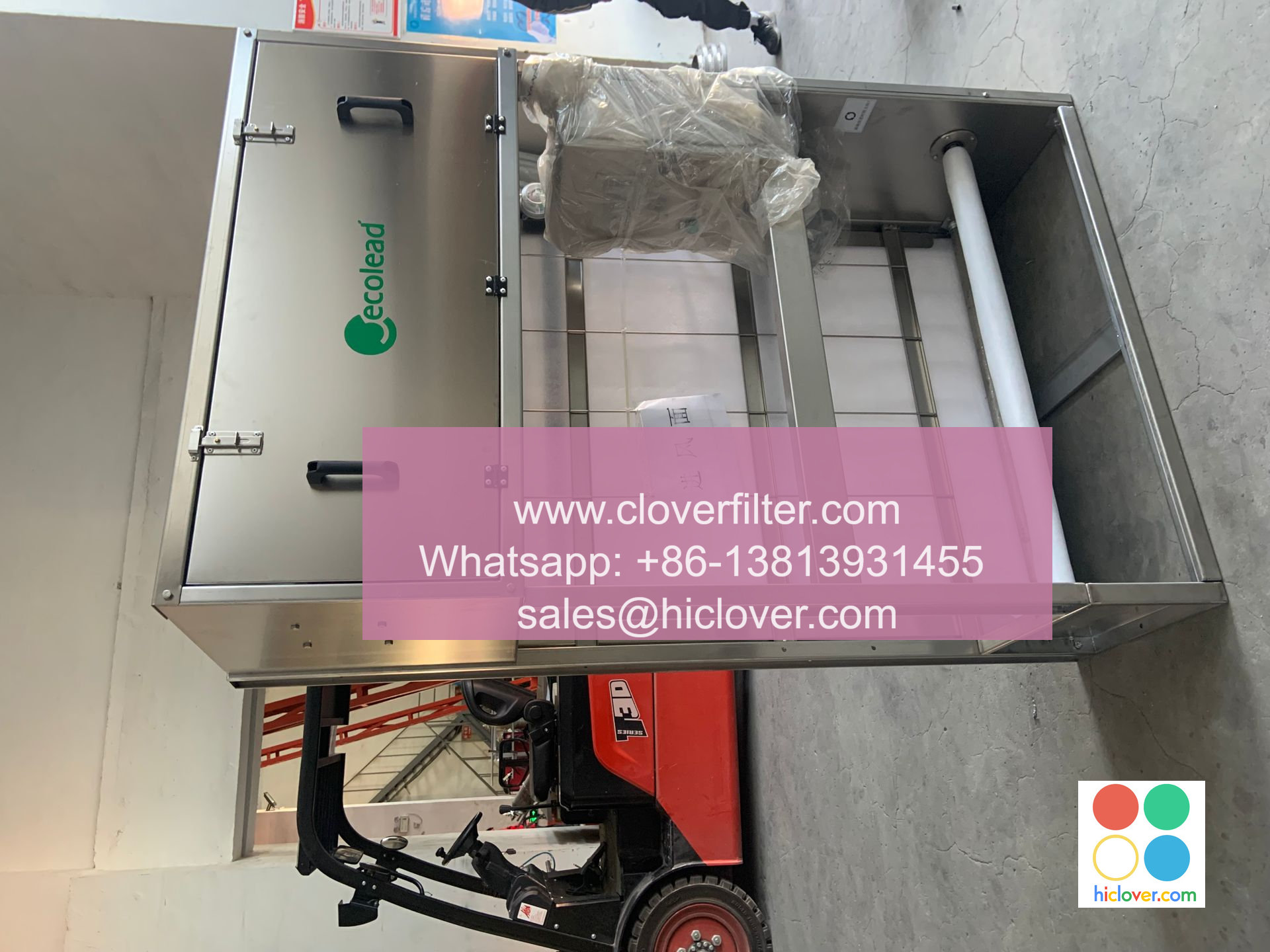
Dust mites are tiny, microscopic creatures that thrive in warm, humid environments and are a common allergen that can trigger respiratory issues such as asthma and allergic rhinitis. One of the most effective ways to reduce dust mites in your home or commercial space is by using high-quality air filters. In this article, we will discuss the role of air filters in reducing dust mites and highlight various application areas where they can be used.
How Air Filters Work

Air filters work by capturing dust mites, dust particles, and other airborne allergens, preventing them from circulating in the air. They are typically installed in HVAC systems, air purifiers, and vacuum cleaners, and are designed to trap particles as small as 0.3 microns. By removing dust mites and other allergens from the air, air filters can help alleviate respiratory problems and create a healthier indoor environment.
Types of Air Filters
There are several types of air filters available, each with its own unique characteristics and benefits. Some of the most common types of air filters include:
- HEPA filters (High Efficiency Particulate Air filters): These filters are capable of capturing 99.97% of particles as small as 0.3 microns, making them highly effective at removing dust mites and other allergens.
- Activated carbon filters: These filters are designed to capture odors and gases, and can be used in conjunction with HEPA filters to provide comprehensive air filtration.
- Pleated filters: These filters are designed to capture larger particles, such as dust bunnies and pet dander, and are often used in residential HVAC systems.
- Residential homes: Air filters can be installed in HVAC systems, air purifiers, and vacuum cleaners to reduce dust mites and other allergens in the home.
- Commercial spaces: Air filters can be used in office buildings, hospitals, and schools to improve indoor air quality and reduce the risk of respiratory problems.
- Industrial settings: Air filters can be used in manufacturing facilities, warehouses, and construction sites to capture dust particles and other airborne pollutants.
- Improved indoor air quality: By removing dust mites and other allergens from the air, air filters can help create a healthier indoor environment.
- Reduced respiratory problems: By removing airborne allergens, air filters can help alleviate asthma and allergic rhinitis symptoms.
- Increased energy efficiency: By reducing the amount of dust and debris in the air, air filters can help improve the efficiency of HVAC systems and reduce energy costs.
Application Areas for Air Filters
Air filters can be used in a variety of application areas, including:
Benefits of Using Air Filters
Using air filters can have several benefits, including:
Conclusion
In conclusion, air filters play a crucial role in reducing dust mites and other airborne allergens in residential, commercial, and industrial settings. By using high-quality HEPA filters, activated carbon filters, and pleated filters, individuals can help improve indoor air quality, reduce respiratory problems, and create a healthier environment. Whether you’re looking to improve the air quality in your home, office, or industrial facility, air filters are an effective and efficient solution.
It seems like you forgot to include the prompt. Could you please provide more details or clarify what you need help with? I’m here to assist you!
