The Role of Air Filters in Reducing Odor
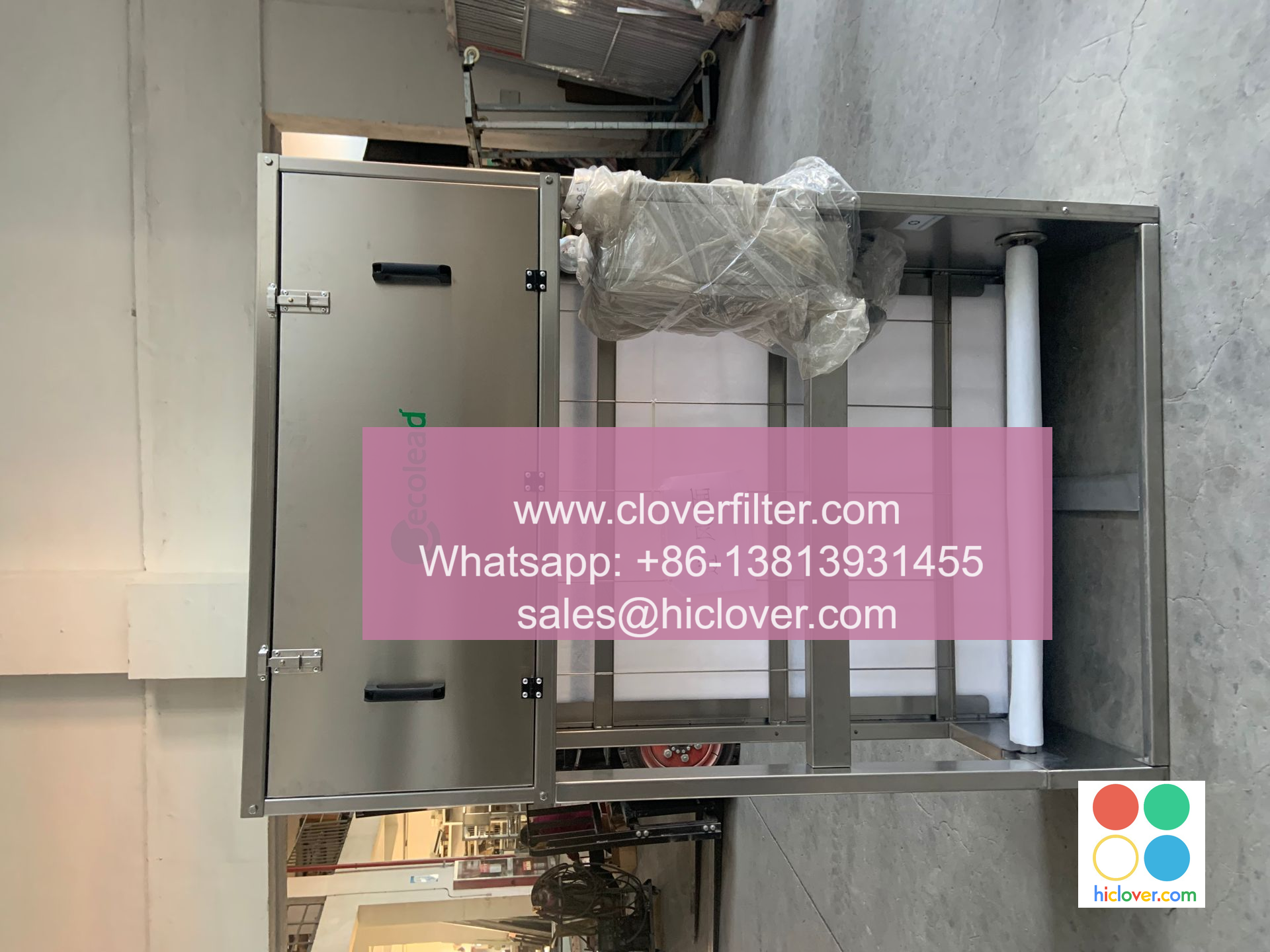
Air filters play a crucial role in maintaining indoor air quality by removing pollutants, allergens, and odors from the air. In this article, we will discuss the importance of air filters in reducing odor and highlight their application in various areas, including heating, ventilation, and air conditioning (HVAC) systems, industrial air purification, and residential air cleaning.
How Air Filters Reduce Odor
Air filters work by capturing odor-causing particles and molecules, preventing them from circulating in the air. There are several types of air filters, including activated carbon filters, HEPA filters, and ultraviolet (UV) light filters, each with its own unique mechanism for reducing odor. Activated carbon filters, for example, use adsorption technology to trap odor-causing molecules, while HEPA filters use mechanical filtration to capture particles as small as 0.3 microns.
Application Areas for Air Filters in Reducing Odor
Air filters have a wide range of applications in reducing odor, including:
* Commercial kitchens: Air filters are used to remove cooking odors and grease particles from the air, improving indoor air quality and reducing the risk of fire hazards.
* Industrial facilities: Air filters are used to remove chemical fumes and volatile organic compounds (VOCs) from the air, improving worker health and safety.
* Residential homes: Air filters are used to remove pet odors, mold spores, and tobacco smoke from the air, improving indoor air quality and reducing allergy and asthma symptoms.
* Healthcare facilities: Air filters are used to remove bacteria, viruses, and other airborne pathogens from the air, reducing the risk of hospital-acquired infections.
Benefits of Using Air Filters to Reduce Odor
Using air filters to reduce odor has several benefits, including:
* Improved indoor air quality: Air filters help remove pollutants and odors from the air, improving indoor air quality and reducing the risk of respiratory problems.
* Reduced allergy and asthma symptoms: Air filters help remove allergens and irritants from the air, reducing the risk of allergy and asthma attacks.
* Increased energy efficiency: Air filters help improve the efficiency of HVAC systems, reducing energy consumption and lowering utility bills.
* Extended equipment life: Air filters help protect HVAC equipment from damage caused by pollutants and corrosion, extending equipment life and reducing maintenance costs.

Conclusion
In conclusion, air filters play a critical role in reducing odor and improving indoor air quality. With their wide range of applications in commercial, industrial, and residential settings, air filters are an essential component of any air purification system. By removing pollutants, allergens, and odors from the air, air filters help improve indoor air quality, reduce allergy and asthma symptoms, and increase energy efficiency. Whether you’re looking to improve the air quality in your home, office, or industrial facility, air filters are an effective and efficient solution for reducing odor and improving overall health and well-being. You haven’t asked a question or provided a topic for discussion. What would you like to talk about?
