The Role of Air Filters in Reducing Radon Levels
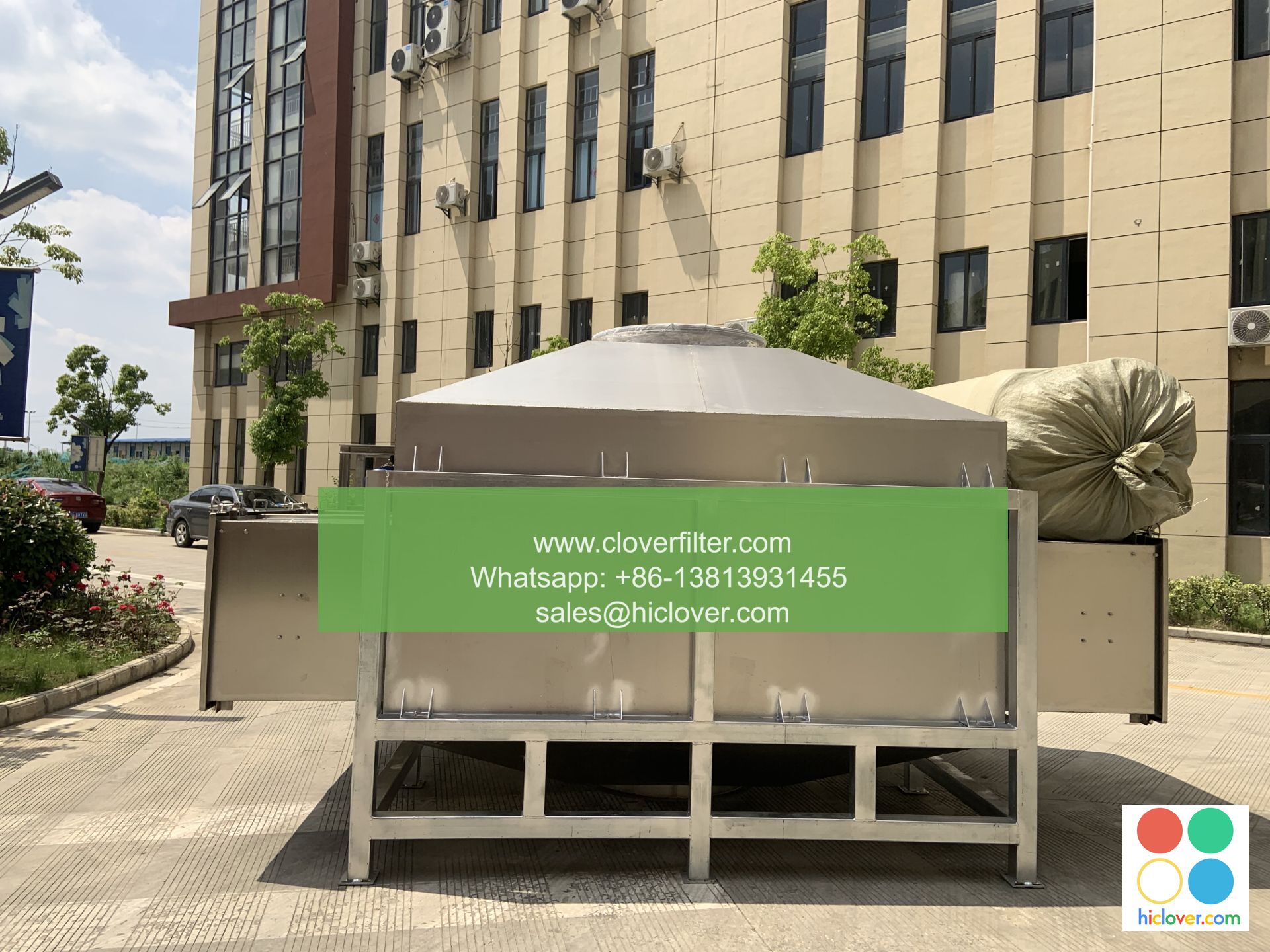
Radon gas is a naturally occurring radioactive gas that can accumulate indoors, posing serious health risks, including lung cancer. Because of its radioactive nature and colorless, odorless characteristics, radon can go unnoticed until it reaches dangerous levels. One effective way to mitigate radon exposure is through the use of air filters. In this article, we will explore the role of air filters in reducing radon levels, highlighting various application areas and types of filters available.
Understanding Radon and Its Hazards

Radon is produced from the natural decay of uranium present in soil, rock, and water. While outdoor radon levels are typically low, it tends to accumulate in confined spaces like basements and poorly ventilated areas. The World Health Organization has identified radon as the second-leading cause of lung cancer after smoking, which underscores the importance of monitoring and reducing radon levels.
How Air Filters Help Reduce Radon Levels
Air filters can significantly aid in reducing radon levels by improving indoor air quality and enhancing ventilation. Here are some key ways air filters contribute to radon mitigation:
1. Particle Filtration
Air filters, such as HEPA filters, are designed to capture particulate matter, which may include radon decay products known as radon progeny. By trapping these particles, air filters help reduce the inhalation exposure to radioactive materials.

2. Enhanced Air Circulation
Using air filters in conjunction with ventilation systems can improve air circulation throughout a building. This promotes the dilution of radon gas, reducing its concentration indoors. Proper ventilation can be especially beneficial in basements and crawl spaces where radon levels tend to be highest.
3. Integrated Systems for Radon Mitigation
Some modern air filtration systems are designed specifically for radon mitigation. These integrated systems combine air filtration with radon detectors, allowing for continuous monitoring and real-time filtration adjustments. Such systems are ideal for both residential and commercial applications.
Application Areas for Air Filters in Radon Reduction
1. Residential Homes
In residential settings, air filters can be installed within HVAC systems or used as standalone units to help mitigate radon exposure. Regular testing for radon is vital for homeowners, particularly in high-risk areas.
2. Commercial Buildings
Larger commercial buildings can also benefit from advanced air filtration systems. As businesses increasingly recognize the importance of indoor air quality, employing air filters to reduce radon levels has become part of corporate health initiatives.
3. Schools and Hospitals
Schools and healthcare facilities must ensure their environments are safe for students and patients. Enhanced air filtration can be a critical element in maintaining safe indoor air quality levels, protecting vulnerable populations from radon exposure.
Conclusion
Air filters play a pivotal role in reducing radon levels and improving indoor air quality. By incorporating various types of filters into residential and commercial spaces, individuals and organizations can protect themselves from the hazardous effects of radon. Regular testing and the strategic implementation of filtration systems should be significant components of any radon mitigation strategy.
It looks like you might have a specific request or topic in mind! Could you please provide more details or clarify what you would like assistance with?
