The Role of Air Filters in Textile Manufacturing
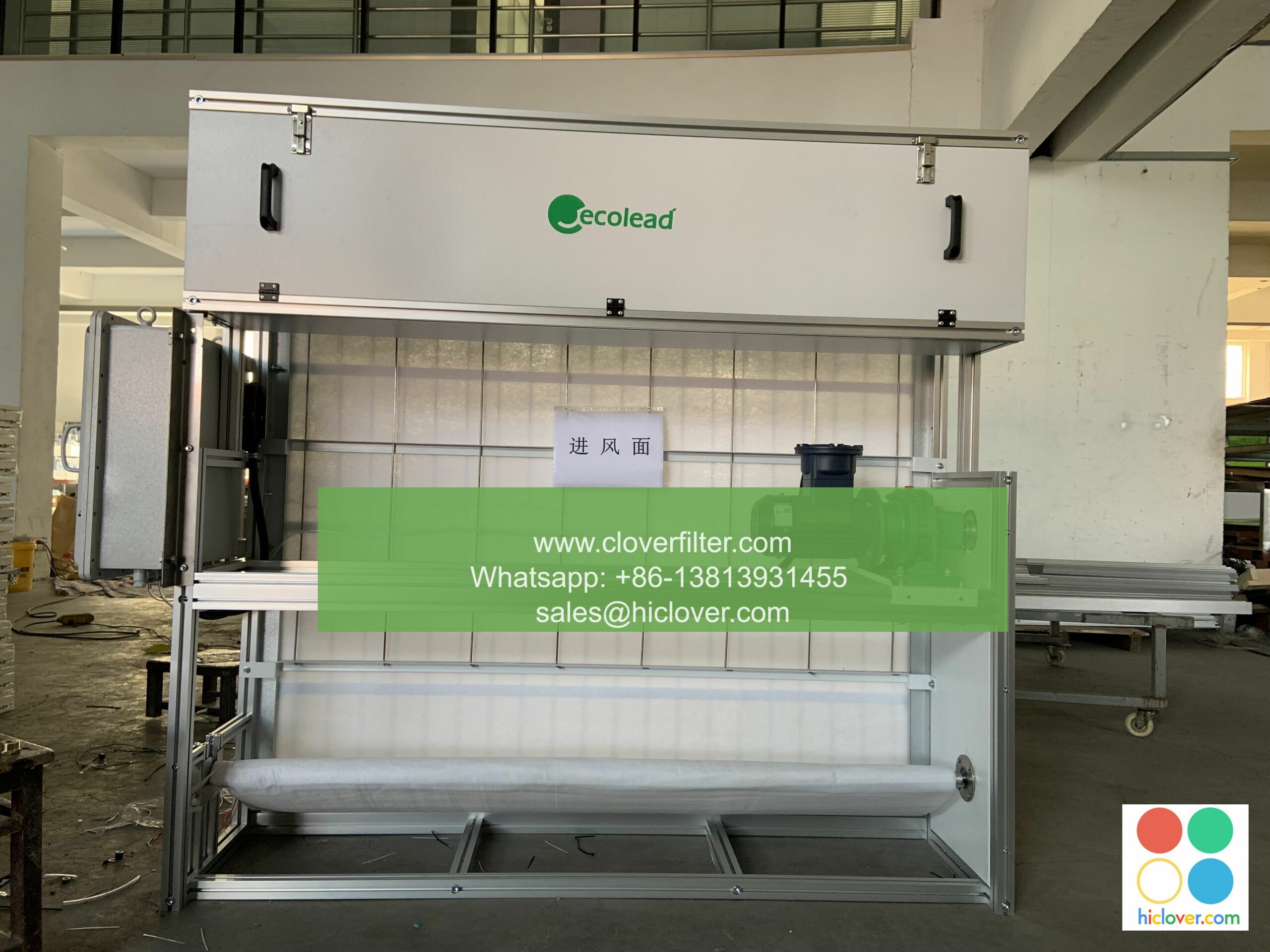
The textile manufacturing industry is a significant sector that involves the production of various fabrics, clothing, and other textile products. However, this industry also generates a substantial amount of airborne pollutants, such as dust, fibers, and chemicals, which can compromise product quality and pose health risks to workers. This is where air filters play a crucial role in textile manufacturing, serving as a key component in maintaining a clean and safe production environment. In this article, we will discuss the importance of air filtration systems in textile manufacturing, highlighting various application areas and key benefits.
Types of Air Filters Used in Textile Manufacturing
Textile manufacturing facilities utilize various types of air filters, including HEPA filters, activated carbon filters, and pre-filters, to address different types of airborne contaminants. High-efficiency particulate air (HEPA) filters are commonly used to capture dust, fibers, and other particulate matter, ensuring a clean and stable production environment. Activated carbon filters are used to remove chemicals, odors, and gases from the air, while pre-filters help to extend the life of other filters by capturing larger particles.
Application Areas of Air Filters in Textile Manufacturing
Air filters are used in various application areas of textile manufacturing, including:
* Spinning and weaving: Air filters help to remove cotton dust and other fibers that can cause respiratory problems and compromise product quality.
* Finishing and treatment: Air filters are used to remove chemicals and gases used in the finishing and treatment processes, ensuring a safe working environment and preventing air pollution.
* Quality control and inspection: Air filters help to maintain a clean and stable environment, allowing for accurate quality control and inspection of textile products.
Key Benefits of Air Filters in Textile Manufacturing
The use of air filters in textile manufacturing offers several key benefits, including:
* Improved product quality: By removing airborne contaminants, air filters help to prevent defects and imperfections in textile products.
* Enhanced worker safety: Air filters help to remove hazardous substances and particulate matter that can cause respiratory problems and other health issues.
* Increased productivity: By maintaining a clean and stable production environment, air filters help to reduce downtime and machine maintenance, increasing overall productivity and efficiency.
* Reduced energy consumption: Air filters can help to reduce energy consumption by minimizing the need for heating and cooling systems.
Conclusion
In conclusion, air filters play a vital role in textile manufacturing, serving as a key component in maintaining a clean and safe production environment. By removing airborne contaminants and pollutants, air filters help to enhance product quality, worker safety, and overall productivity. As the textile manufacturing industry continues to evolve, the importance of air filtration systems will only continue to grow, highlighting the need for effective filtration solutions that address various application areas and key benefits. It seems like you didn’t include a prompt. Could you please provide more details or specify what you’re looking for? I’m here to help with any questions or topics you’d like to discuss.
