The Role of Air Filtration in Ensuring Cleanroom Integrity
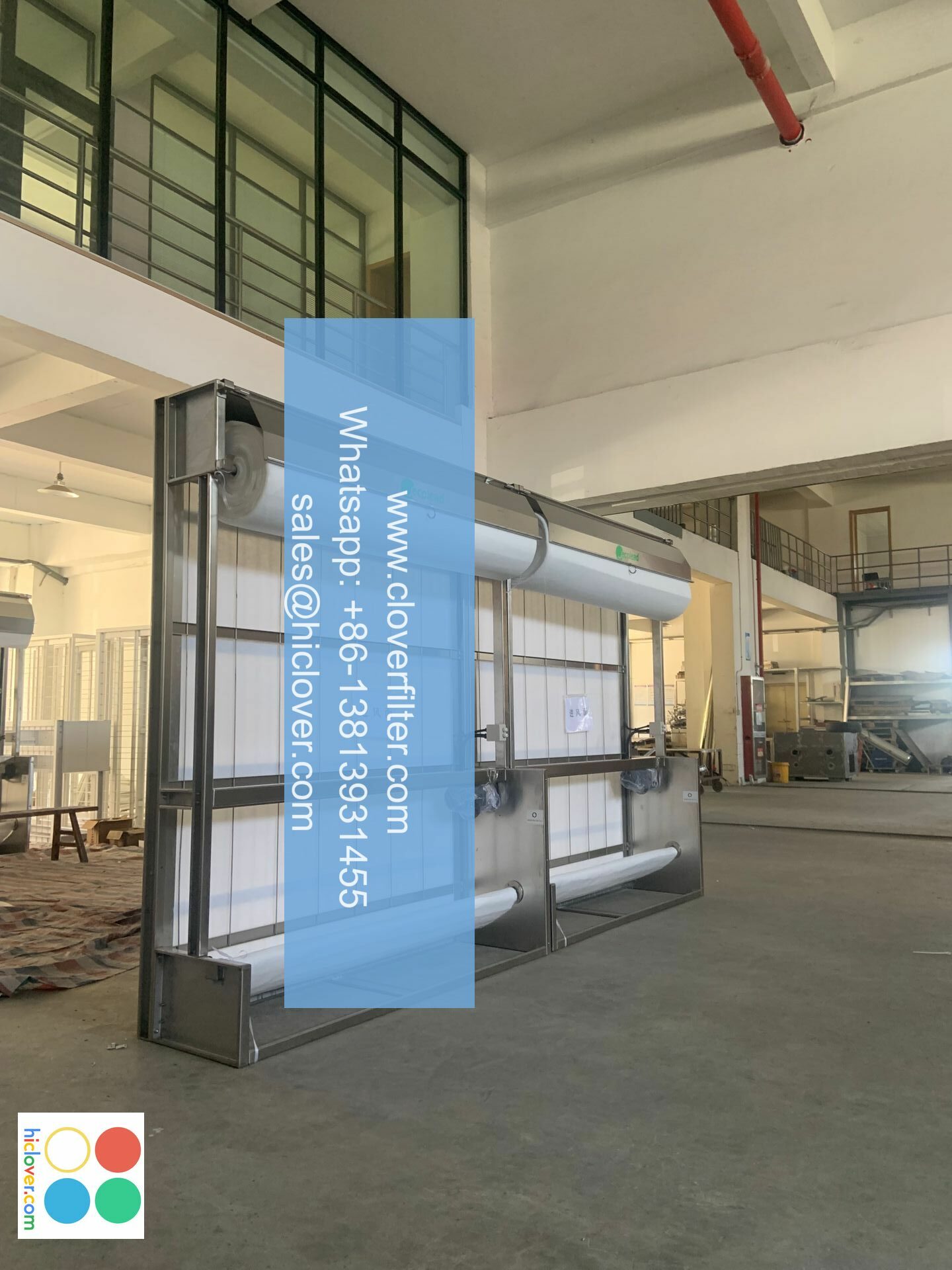
Cleanrooms are controlled environments that require precise temperature, humidity, and air quality control to prevent contamination. The primary goal of a cleanroom is to minimize the introduction of airborne particles and microbial contamination that can compromise the integrity of products, equipment, and processes. In this article, we will explore the critical role of air filtration in maintaining cleanroom integrity and highlight its various application areas.
Importance of Air Filtration in Cleanrooms
Air filtration plays a vital role in cleanroom operations as it helps to remove particulate matter, microorganisms, and gaseous contaminants from the air. The use of high-efficiency particulate air (HEPA) filters and ultra-low particulate air (ULPA) filters is essential in cleanrooms to achieve the required air cleanliness levels. These filters are designed to capture 99.97% of particles as small as 0.3 microns, ensuring that the air in the cleanroom is extremely clean and free from contaminants.
Application Areas of Air Filtration in Cleanrooms
Air filtration has numerous application areas in cleanrooms, including:
* Pharmaceutical manufacturing: Air filtration is crucial in pharmaceutical manufacturing to prevent contamination of medicinal products and ensure compliance with regulatory requirements.
* Microelectronics manufacturing: The use of high-purity air is essential in microelectronics manufacturing to prevent damage to sensitive components and ensure the reliability of electronic devices.
* Biotechnology research: Air filtration is vital in biotechnology research to prevent contamination of biological samples and ensure the accuracy of research results.
* Medical device manufacturing: The use of clean air is critical in medical device manufacturing to prevent contamination of medical devices and ensure compliance with regulatory requirements.
Types of Air Filtration Systems
There are several types of air filtration systems used in cleanrooms, including:
* Terminal HEPA filters: These filters are installed in the ceiling or walls of a cleanroom to provide final filtration of the air.
* Recirculating air filtration systems: These systems use HEPA filters to recirculate and clean the air in a cleanroom.
* Make-up air filtration systems: These systems provide clean make-up air to a cleanroom to replace the air that is exhausted from the room.
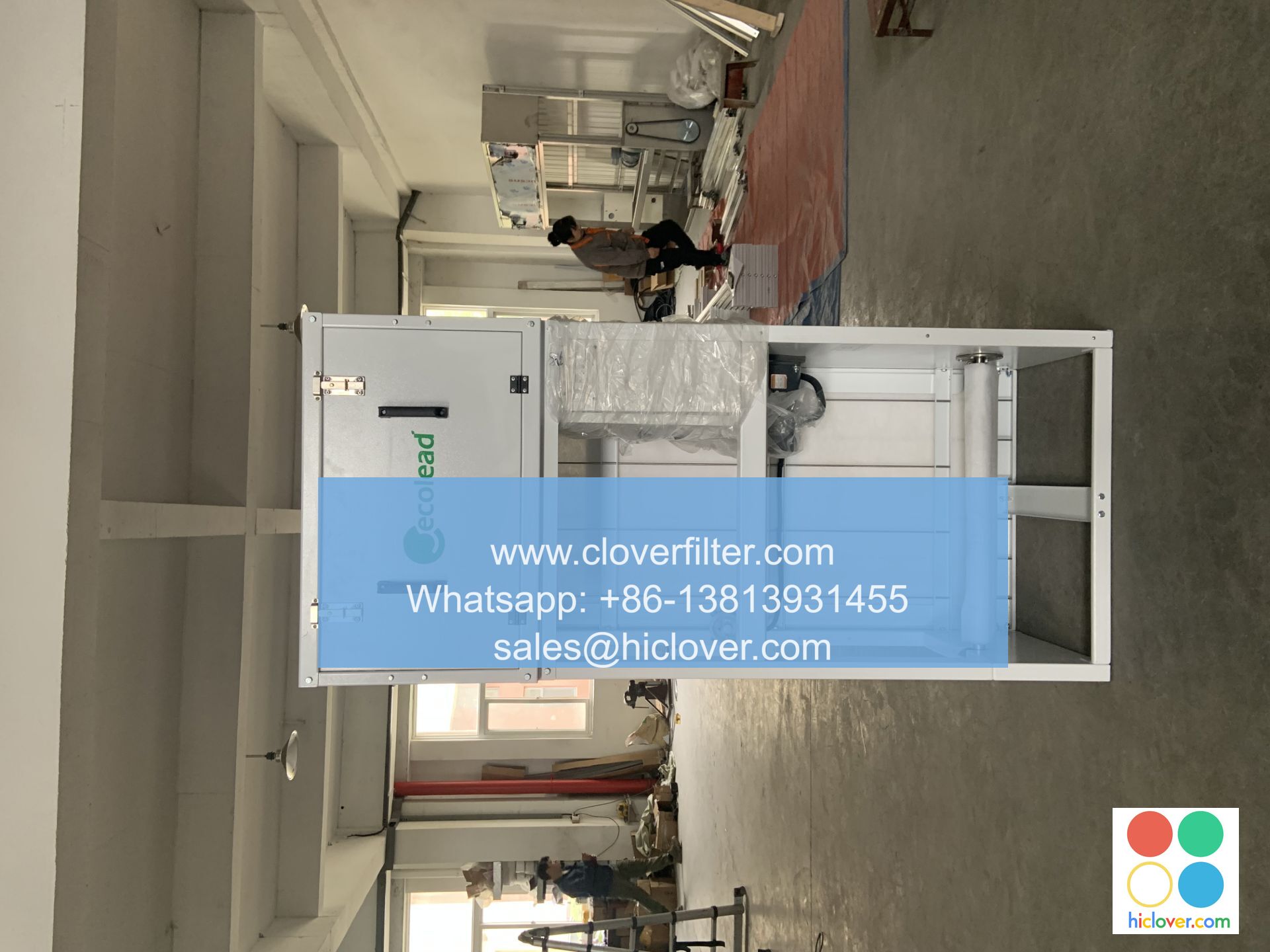
Best Practices for Air Filtration in Cleanrooms
To ensure the effective use of air filtration systems in cleanrooms, the following best practices should be followed:
* Regular maintenance of air filtration systems is essential to ensure that they are functioning properly and effectively.
* Monitoring of air quality is critical to ensure that the air in the cleanroom meets the required cleanliness levels.
* Training of personnel is necessary to ensure that they understand the importance of air filtration and how to properly maintain the air filtration systems.
In conclusion, air filtration plays a critical role in ensuring cleanroom integrity by removing particulate matter, microorganisms, and gaseous contaminants from the air. The use of high-efficiency particulate air (HEPA) filters and ultra-low particulate air (ULPA) filters is essential in cleanrooms to achieve the required air cleanliness levels. By following best practices and using the right type of air filtration system, cleanrooms can maintain their integrity and ensure the quality and reliability of products and processes.
