The Role of Automatic Roll Air Filter in Supporting Cleanroom Operations for Beverage Manufacturing
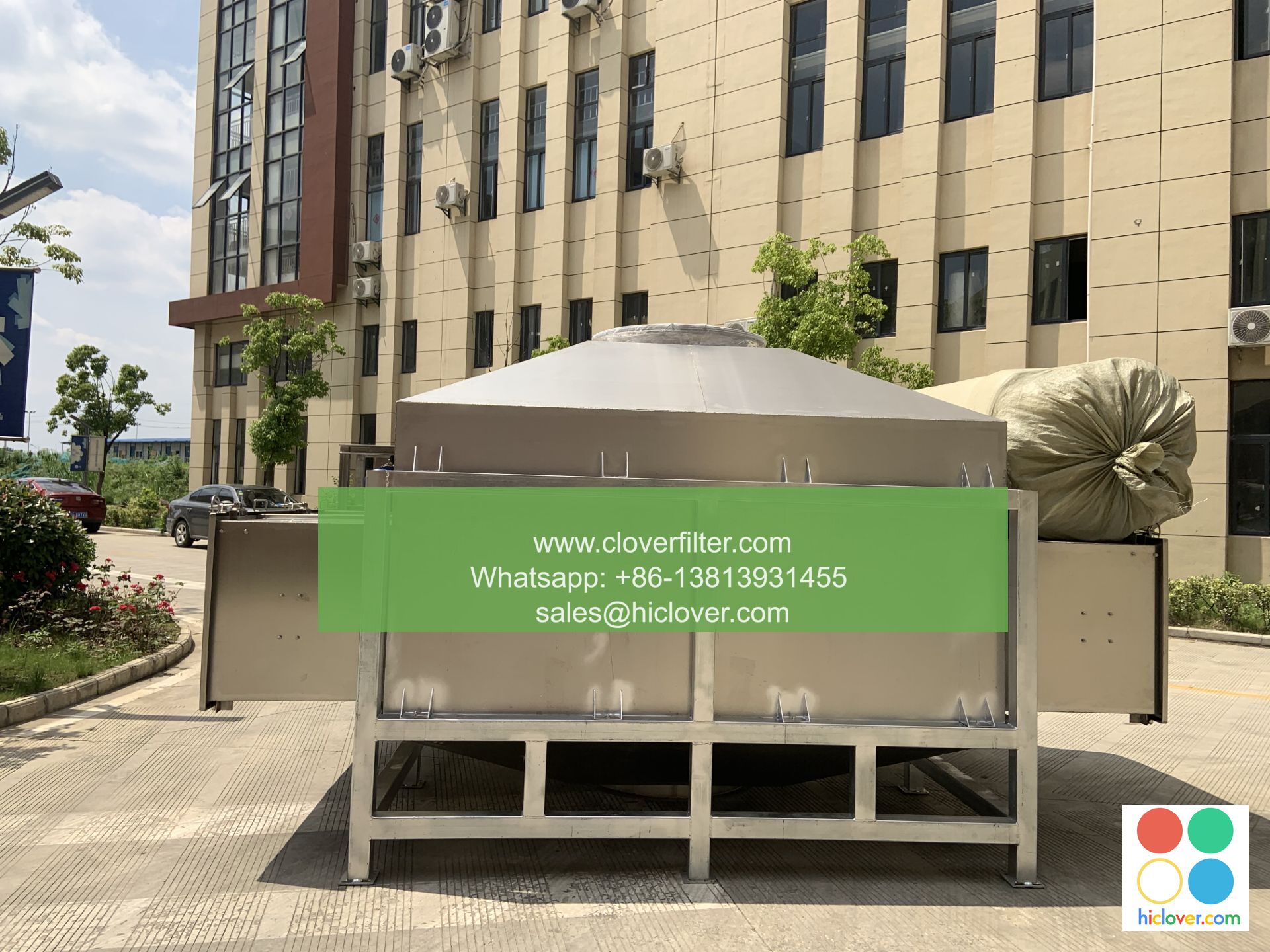
In the beverage manufacturing industry, maintaining a cleanroom environment is critical. Cleanrooms help ensure that products are free from contaminants that can compromise quality and safety. One essential component of a cleanroom is the air filtration system, particularly the automatic roll air filter, which plays a pivotal role in facilitating cleanroom operations.
Understanding Cleanrooms in Beverage Manufacturing
Cleanrooms are controlled environments that adhere to stringent standards in terms of particle, bio-burden, and chemical contamination. They are particularly important in the beverage sector, where sanitary conditions are necessary to avoid the risk of spoilage and to comply with food safety regulations. The ability to manage air quality is a critical aspect of maintaining a cleanroom.
The Importance of Air Filtration
Air filtration is crucial in cleanroom environments to eliminate airborne particles that could contaminate beverages. Automatic roll air filters are designed to efficiently filter out particulates, providing a continuous stream of clean air. These systems not only help in reducing the levels of dust and other particles but also in maintaining humidity and temperature, vital factors for product integrity.
How Automatic Roll Air Filters Work
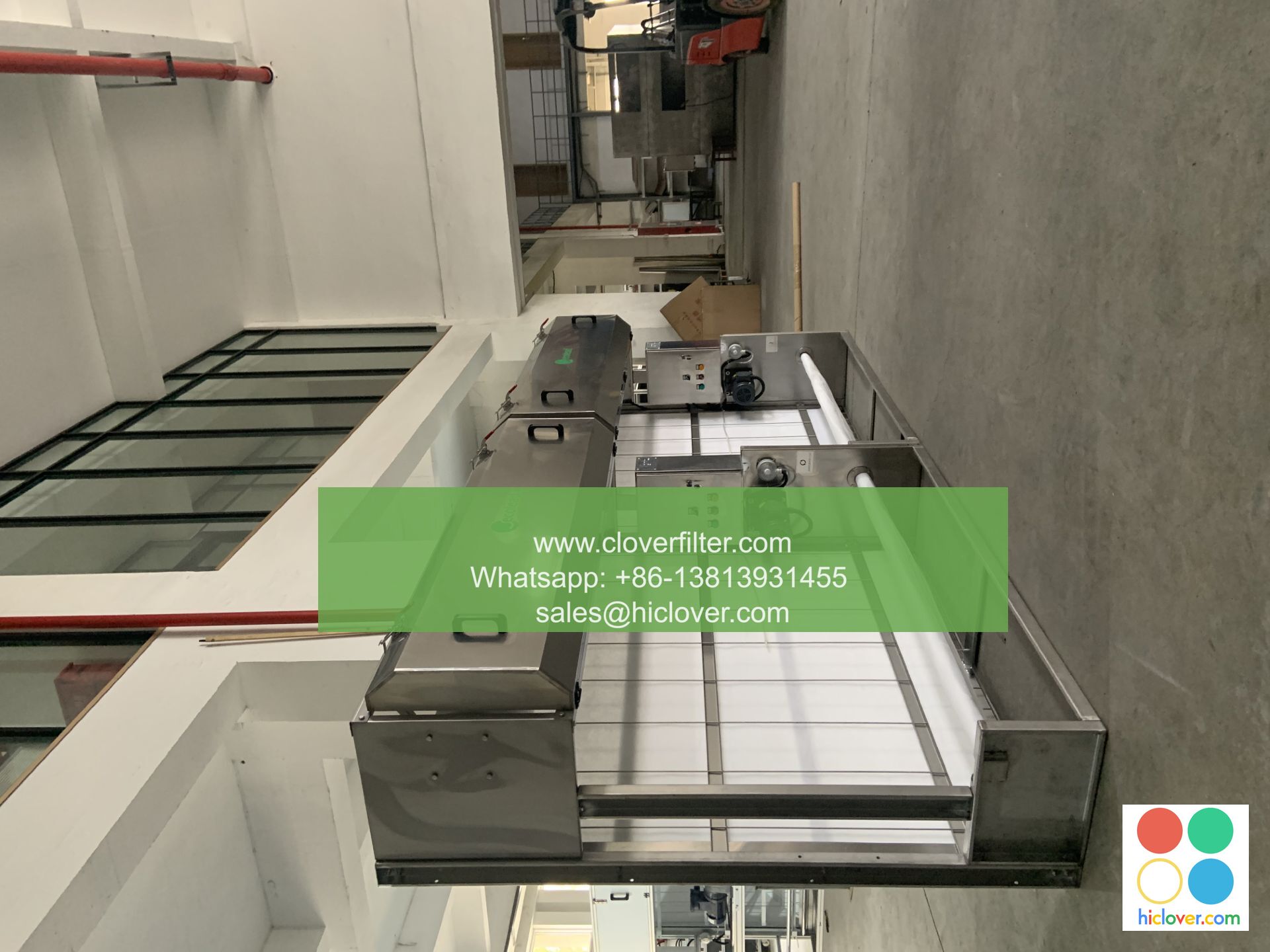
The automatic roll air filter operates through a series of specialized media that capture and collect contaminants as air passes through. This not only includes larger particles but also fine dust and biological contaminants. The ‘roll’ design essentially means that filters can be replaced or cleaned without significant downtime, ensuring that the cleanroom continues to operate smoothly without interruptions.

Benefits of Automatic Roll Air Filters in Beverage Manufacturing
- Enhanced Air Quality: By providing continuous filtration, these systems significantly enhance overall air quality, ensuring a contaminant-free environment.
- Reduced Maintenance Costs: Automatic roll filters require less frequent changes compared to traditional filters, which can lead to reduced operational costs and improved efficiency.
- Improved Production Efficiency: With a clean and stable environment, the risk of contamination is minimized, allowing manufacturers to maintain high productivity levels without interruptions.
- Regulatory Compliance: Beverage manufacturers are often required to meet specific hygiene and safety standards. Using advanced filtration systems like automatic roll air filters helps in adhering to these regulations, thus avoiding costly penalties.
Conclusion
The role of automatic roll air filters in supporting cleanroom operations in beverage manufacturing cannot be overstated. These systems ensure a contamination-free environment crucial for producing safe and high-quality beverages. By enhancing air quality, reducing maintenance costs, improving production efficiency, and assisting in regulatory compliance, automatic roll air filters are an indispensable asset for beverage manufacturers committed to operational excellence.
FAQs
1. What is the lifespan of an automatic roll air filter?
The lifespan varies depending on usage, but typically, these filters can last several months before needing replacement or maintenance.
2. How do I know when to replace the air filter?
Most automatic roll filters have built-in indicators that signal when maintenance or replacement is required based on airflow resistance or particle accumulation.
3. Are automatic roll air filters expensive to maintain?
While the initial investment may be higher than traditional filters, the reduction in maintenance frequency and operational costs often makes them more economical in the long run.
4. Can automatic roll air filters be used in other industries?
Yes, they are suitable for any industry requiring cleanroom standards, including pharmaceuticals, electronics, and food processing, making them versatile tools for various applications.
