The Role of Automatic Roll Air Filters in Burnaby’s Diagnostic Device Cleanrooms: A Case Study
Introduction
In the heart of Burnaby, British Columbia, the demand for precision in the manufacturing of diagnostic devices has led to strict cleanliness standards in production environments. Cleanrooms play a pivotal role in ensuring that these standards are met, and one key component of cleanroom hygiene is the implementation of automatic roll air filters. This article explores their significance, functions, and the case study of their successful application in Burnaby’s diagnostic device cleanrooms.

Understanding Cleanroom Standards
Cleanrooms are controlled environments that minimize airborne particles, temperature variations, and humidity levels. In sectors like pharmaceuticals, biotechnology, and diagnostic device manufacturing, maintaining ISO classifications is crucial. This is where automatic roll air filters come into play, helping to achieve and sustain the required air quality.
What Are Automatic Roll Air Filters?
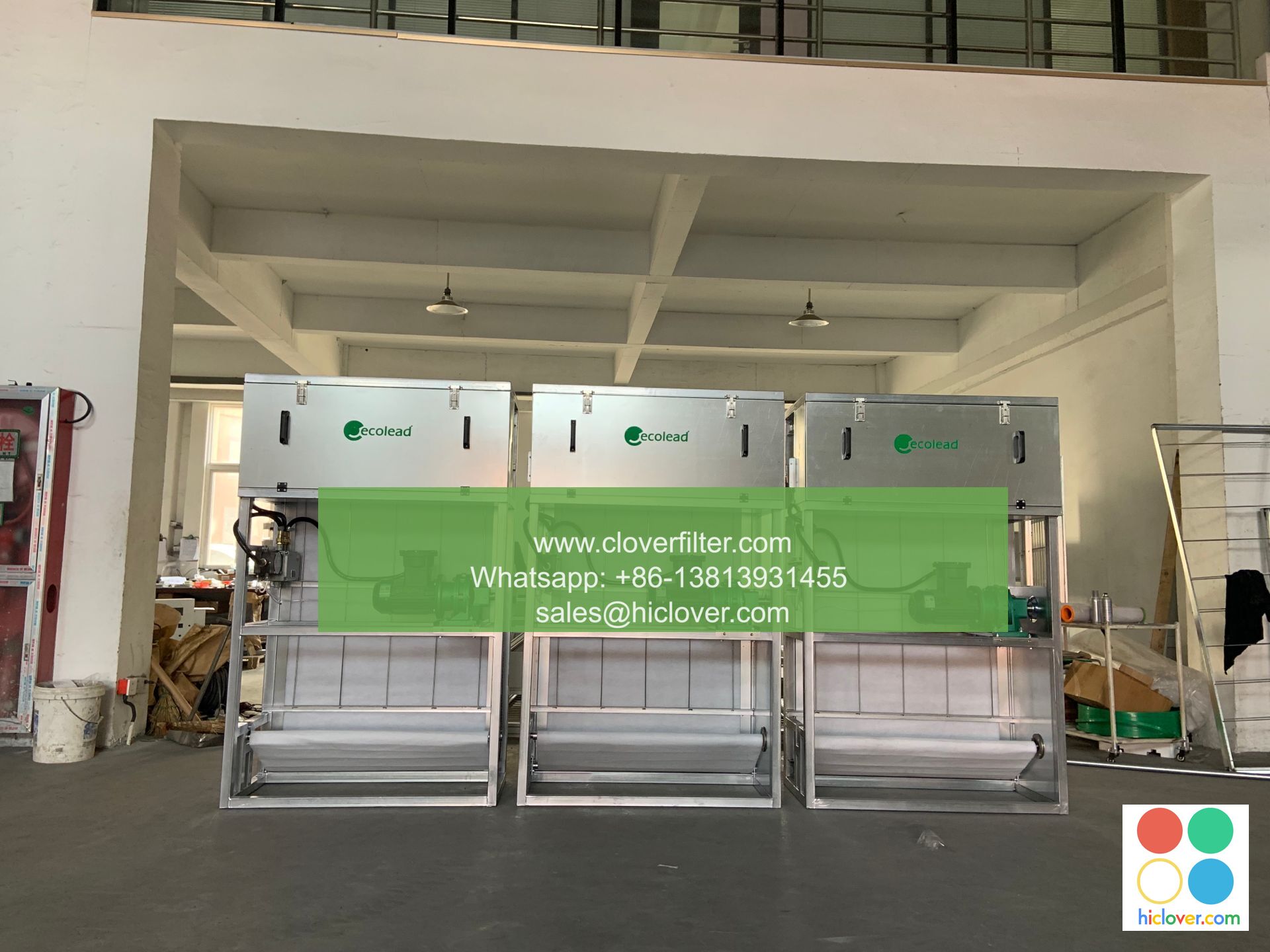
Automatic roll air filters are advanced filtration systems designed to provide continuous, high-efficiency air filtration. They consist of a roll of filter material that can be automatically dispensed and replaced without extensive downtime. This technology guarantees a consistent supply of clean air while minimizing human error during manual filter changes.
Advantages of Automatic Roll Air Filters
- Enhanced Filtration: Capable of capturing both large particles and microorganisms.
- Cost-Effective: Reduces waste and the need for frequent manual interventions.
- Operational Efficiency: Increases cleanroom uptime while ensuring compliance with safety standards.

Application Areas in Burnaby’s Cleanrooms
Burnaby’s cleanroom environments serve various sectors, primarily focusing on diagnostic devices. Here are some specific application areas:
1. Medical Device Manufacturing
Manufacturers of diagnostic devices require stringent air quality control. Automatic roll air filters assist in maintaining necessary cleanroom classifications to prevent contamination of sensitive medical products.
2. Pharmaceutical Research
In pharmaceutical settings, maintaining microbial and particulate limits is crucial for research integrity. The usage of automatic roll air filters ensures a stable environment for experiments and product testing.
3. Laboratory Environments
Laboratories engaged in diagnostics benefit from reliable controlled environments. Automatic roll air filters provide the necessary filtration for sensitive tests and experiments, leading to accurate results.
Case Study: Implementation in a Burnaby Cleanroom
A recent case study conducted in a Burnaby diagnostic device manufacturer aimed to improve their cleanroom standards. The facility integrated automatic roll air filters following persistent issues with particle contamination during device assembly. Since installation, particle counts dropped significantly, aligning with ISO 14644-1 Class 7 standards.
The management reported increased operational efficiency with reduced downtime for maintenance. Employees noted a more reliable and cleaner working environment, leading to enhanced productivity and morale. This case exemplifies how investing in modern filtration solutions like automatic roll air filters can yield tangible benefits in highly regulated industries.
Conclusion
As diagnostic device manufacturing continues to grow, the importance of maintaining stringent cleanroom conditions cannot be overstated. Automatic roll air filters have proven to be an invaluable asset in achieving optimal cleanliness. By ensuring efficient air filtration, these systems contribute not only to regulatory compliance but also enrich the overall quality of the diagnostic devices produced in Burnaby’s cleanrooms. The successful implementation in local facilities highlights a trend that may well define the future of cleanroom operations in various sectors.
